Wondering whether East Hill or North Hill is the better historic address in Pensacola? If you are drawn to older homes, walkable surroundings, and neighborhood character, this choice can feel exciting and a little tricky at the same time. The good news is that each area offers a distinct kind of historic living, and understanding those differences can help you focus your search with more confidence. Let’s dive in.
East Hill vs North Hill at a Glance
If you are comparing East Hill and North Hill, the first thing to know is that they are not interchangeable, even though both are well-known historic areas in Pensacola. They differ in boundaries, lot patterns, architecture, park access, and how closely they connect to downtown.
East Hill is also a name that gets used in two ways. The broader East Hill neighborhood runs from Fairfield Drive and 12th Avenue on the north to the train tracks just south of Belmont Street on the south, from 9th Avenue to Bayou Texar. Within that larger area, Old East Hill is the city’s official historic core, bounded by Gadsden Street, 9th Avenue, Wright Street, and Hayne Street.
North Hill is a separate historic district bounded by Blount Street, DeVilliers Street, Wright Street, and Palafox Street. It is the more downtown-adjacent option of the two, thanks to its position along the edge of central Pensacola.
Why the Boundaries Matter
When you shop for a home in East Hill, you may hear people use the name to describe both the broad neighborhood and the smaller historic district. That can affect what you expect from a listing, especially if you are looking for preservation oversight, lot size, or a certain streetscape feel.
In practical terms, a home labeled “East Hill” may not be inside Old East Hill. If having an official historic district address matters to you, it helps to confirm exactly where the property sits before you compare it with a home in North Hill.
Old East Hill Feels Compact
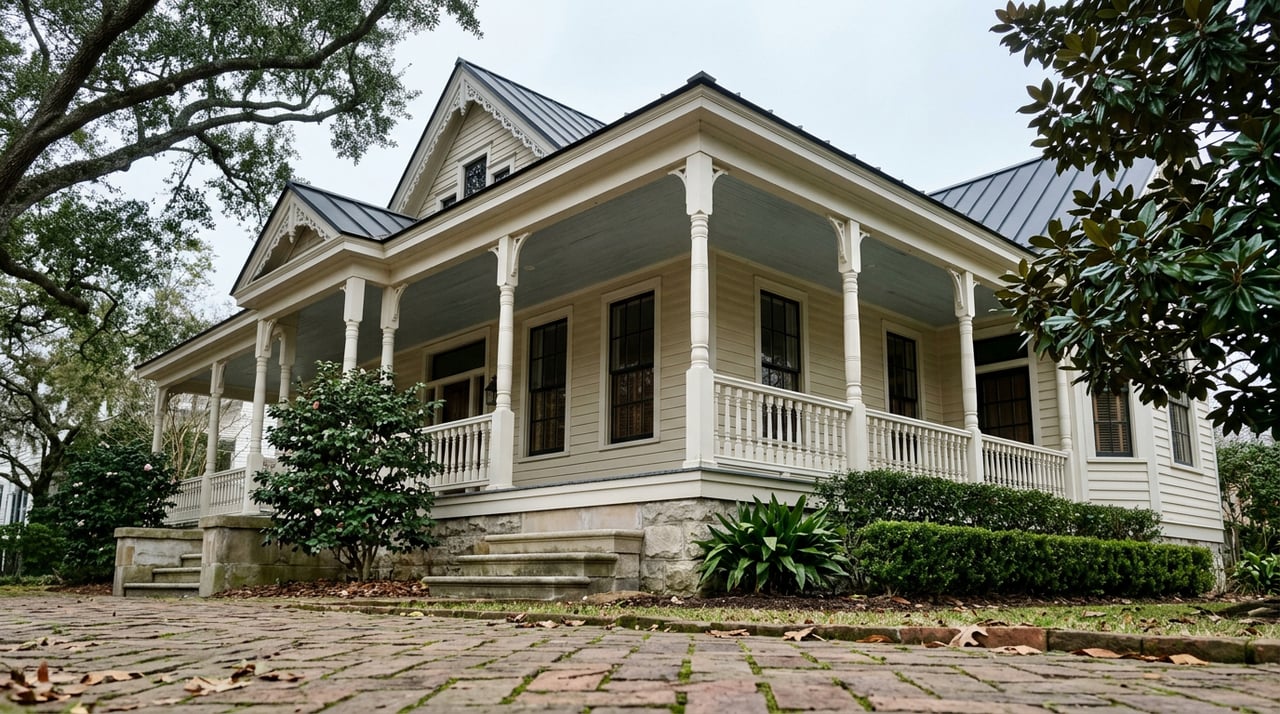
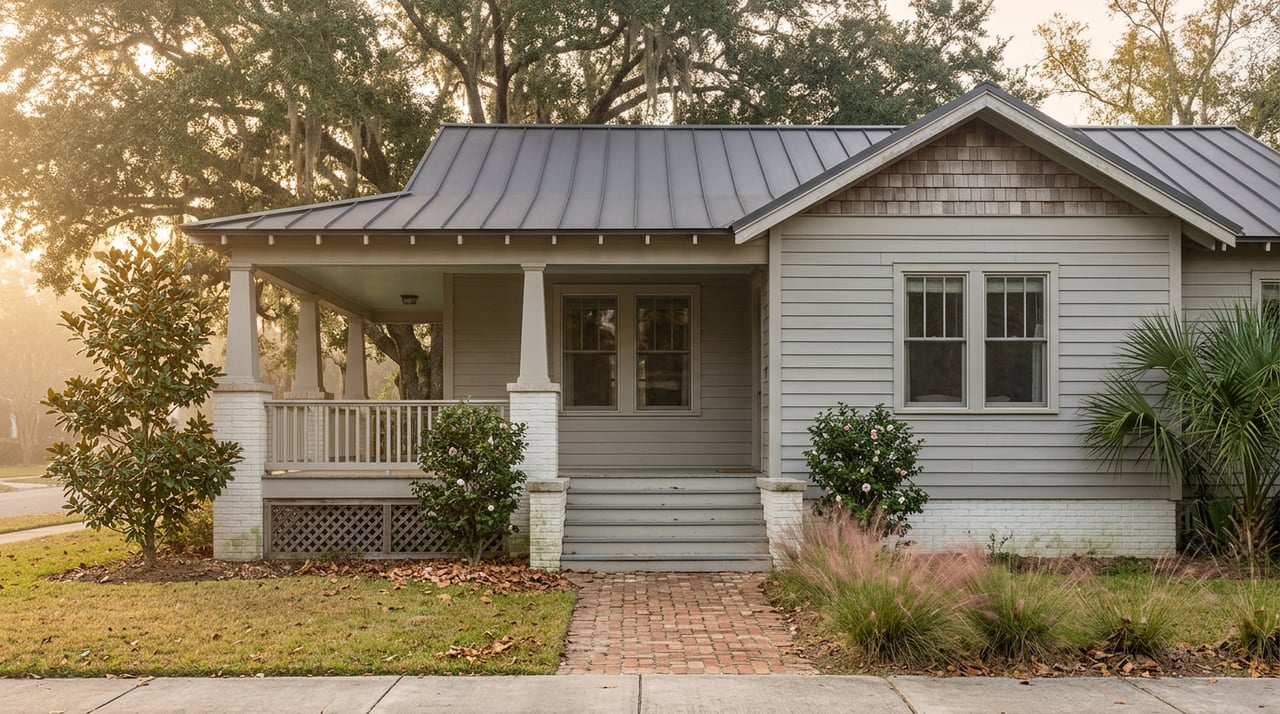
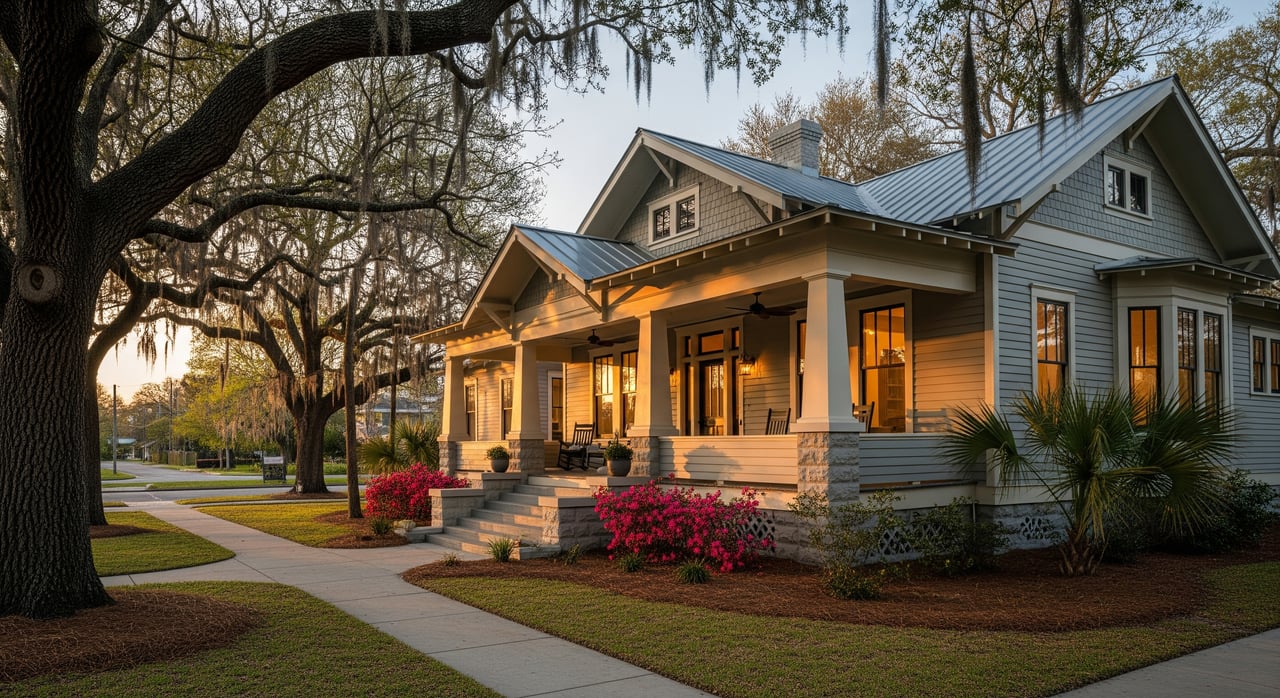
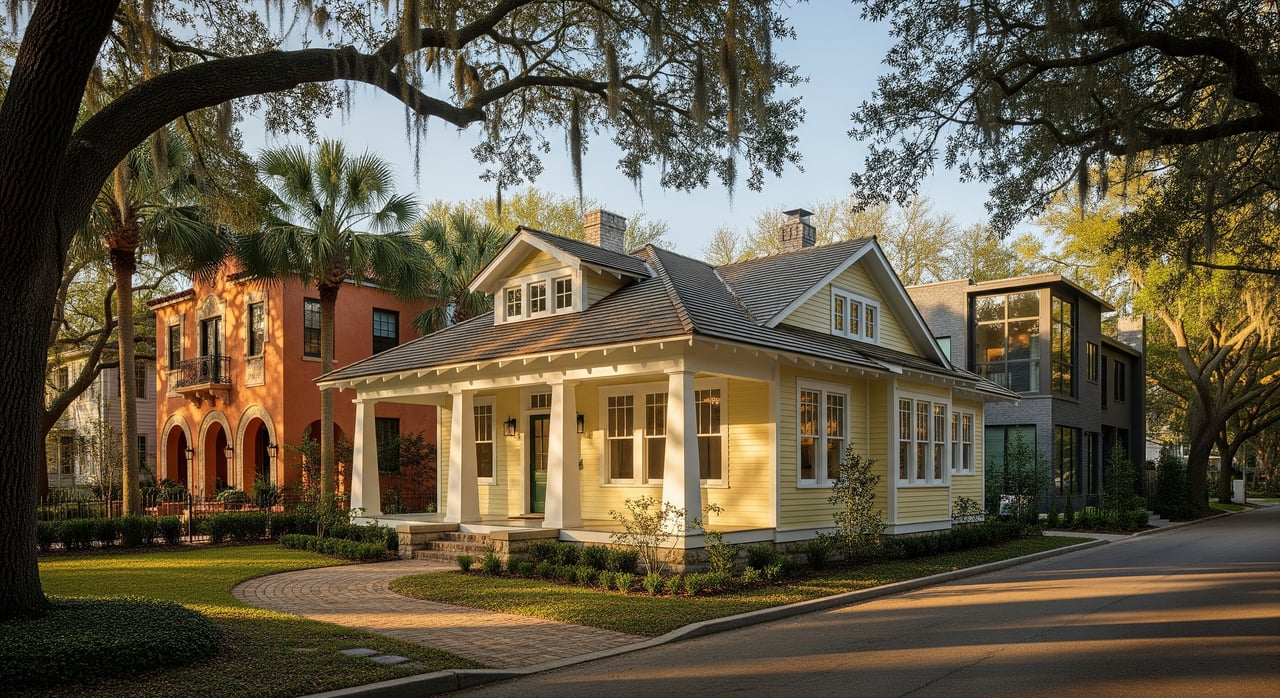
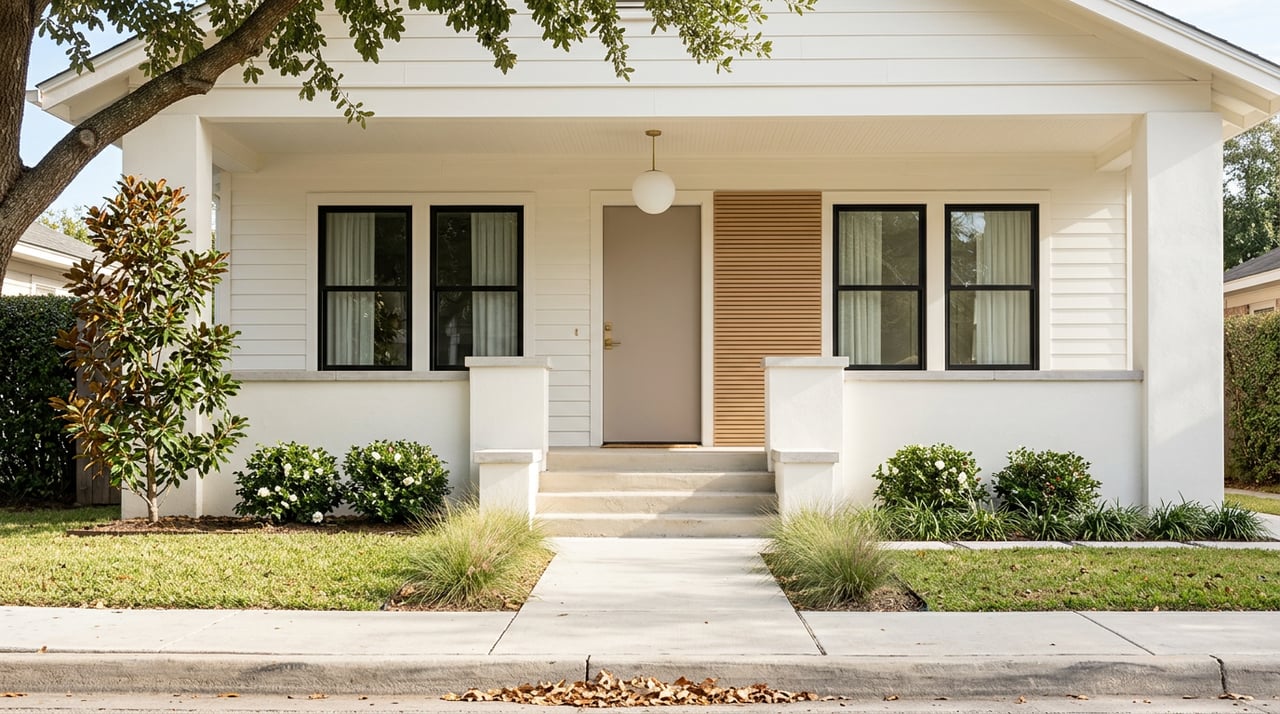
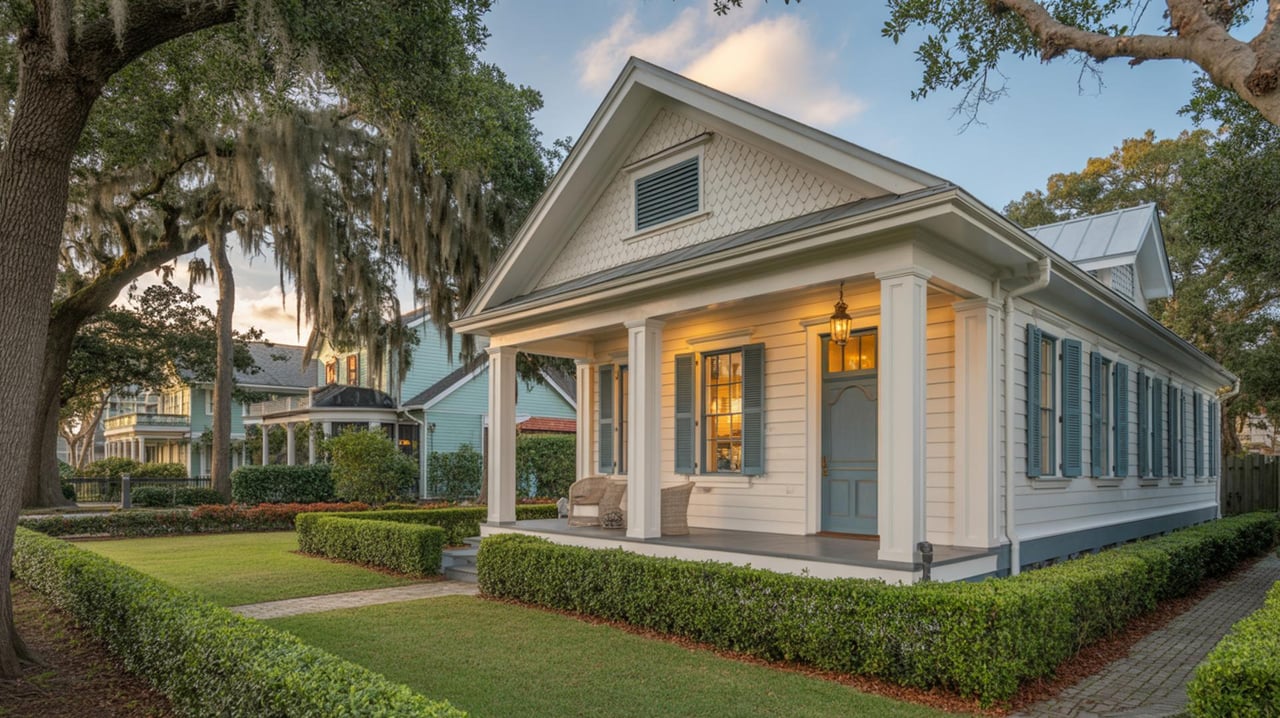
Old East Hill developed from 1870 into the 1920s and is described by the city as primarily vernacular, with Craftsman, Mission, and Queen Anne examples. It is also the smallest of Pensacola’s historic districts.
At street level, Old East Hill often feels intimate and close-knit. The neighborhood association notes that the area was designed before the automobile, so streets are narrow and homes sit closer to the sidewalks. That layout shapes the experience of walking or driving through the neighborhood today.
The zoning standards support that compact feel. In Old East Hill, single-family detached lots can be as small as 3,500 square feet, with a 30-foot minimum lot width at the street row line and 15-foot front and rear setbacks. If you like historic homes with a tighter, more connected street presence, this may appeal to you.
North Hill Feels More Spacious
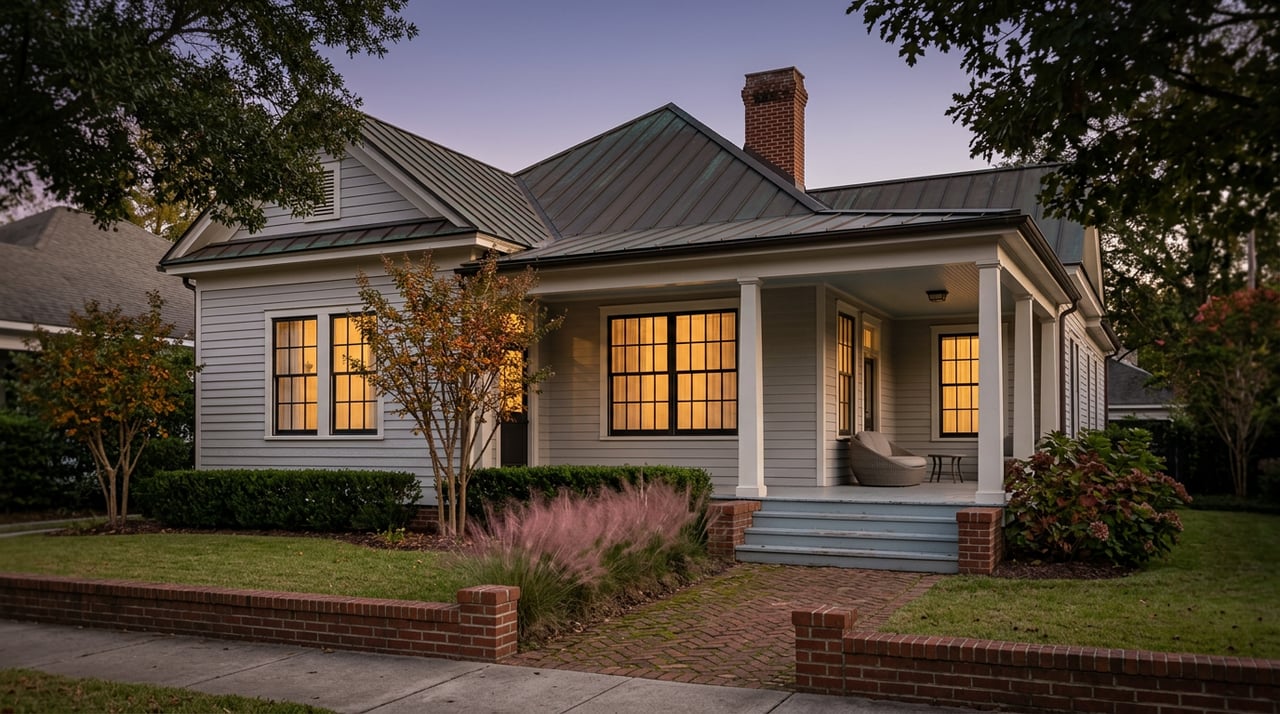
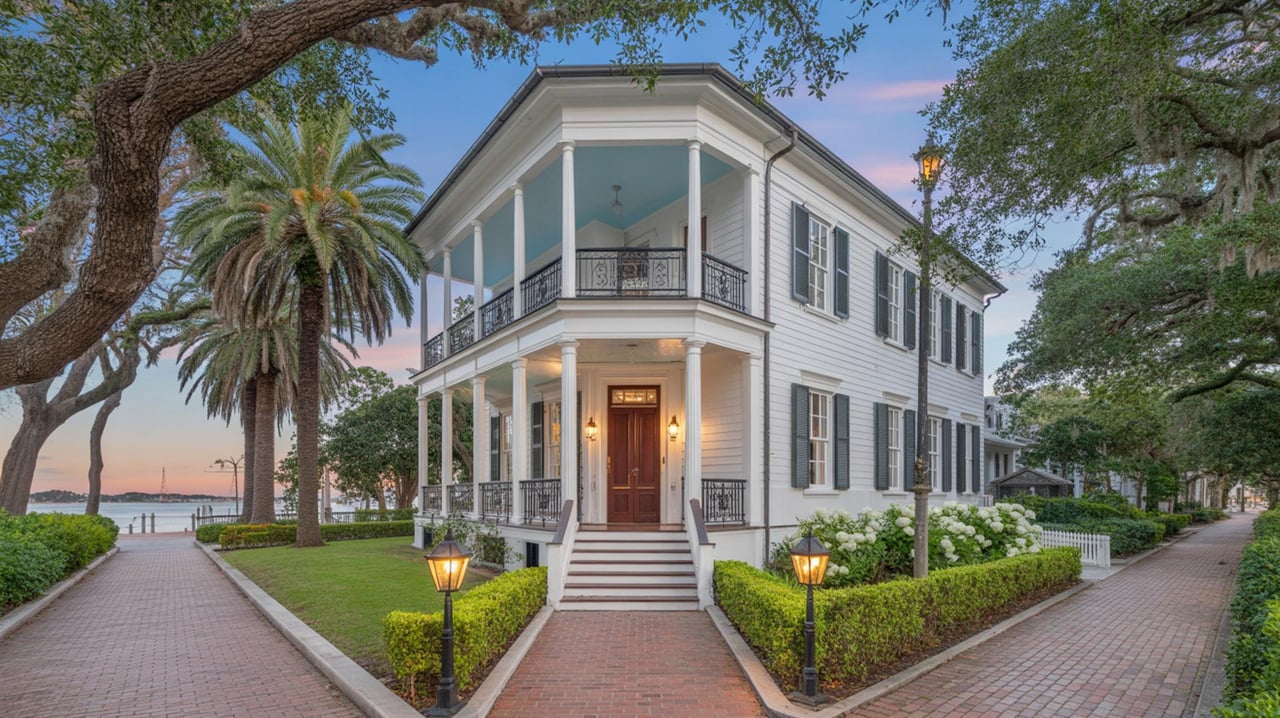
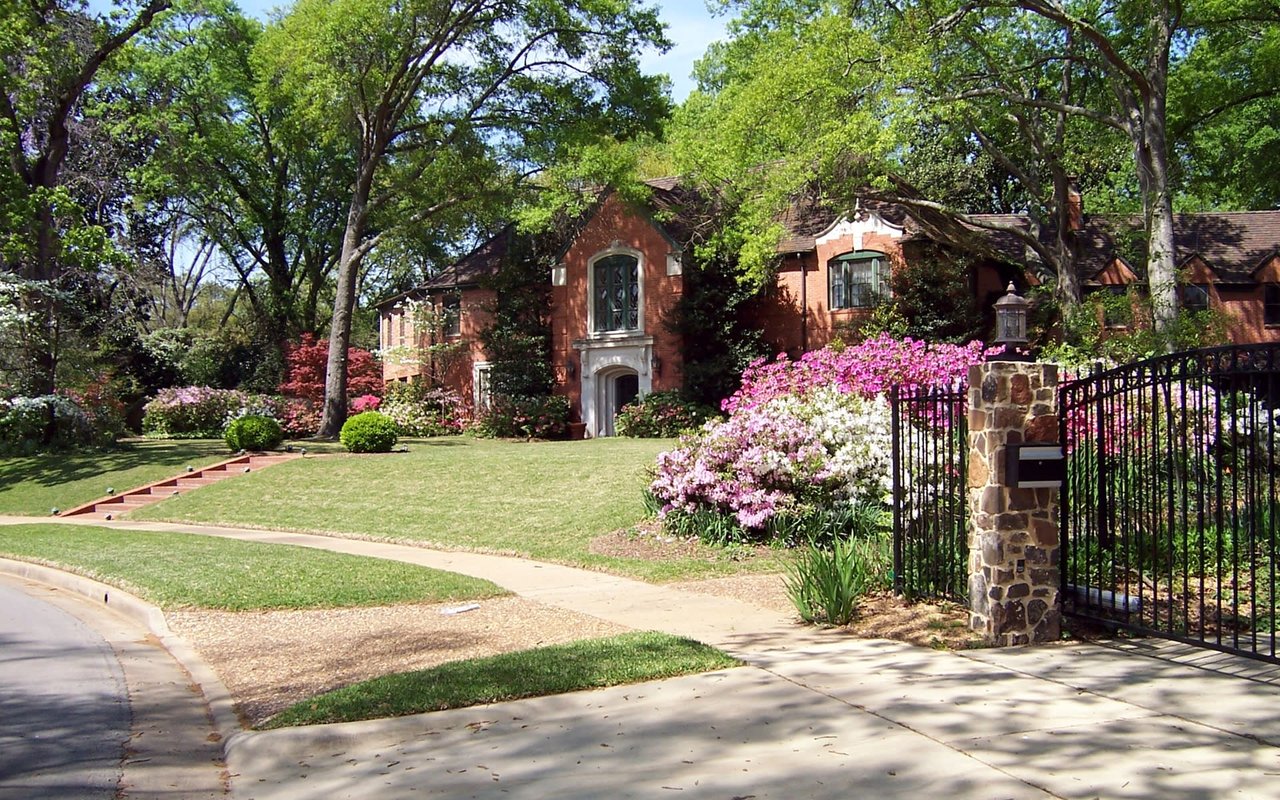
North Hill developed in the 1870s as a residential suburb and includes homes built mostly between 1870 and the 1930s. The architectural mix is broad, with Queen Anne, Classical Revival, Tudor Revival, Spanish Colonial Revival, Modern, and Bungalow styles all represented.
The neighborhood reads differently from Old East Hill because its lots and setbacks are generally larger. Core single-family zoning in North Hill calls for a 9,000-square-foot minimum lot area, a 50-foot minimum lot width at the street row line, 30-foot front setbacks, 9-foot side setbacks, and 25-foot rear setbacks.
For you as a buyer, that usually translates to a more spacious historic streetscape. If you want the charm of older architecture but prefer a setting that feels more open and formal, North Hill may be the stronger match.
Architecture: Which Style Fits You?
If your home search starts with architecture, the choice may come down to how much variety you want and what kind of historic character feels right. Old East Hill tends to show a smaller-scale, more compact historic fabric, with vernacular homes and recognizable Craftsman, Mission, and Queen Anne influences.
North Hill offers a wider architectural range across a larger preservation district. That broader style mix can give you more options if you are drawn to different historic periods or want to compare homes with distinct design personalities in one neighborhood.
Neither area is better in a universal sense. It depends on whether you picture yourself in a compact historic setting with a close-to-the-street feel or in a more spacious district with a wider stylistic spread.
Parks and Outdoor Space in East Hill
East Hill stands out for park access in the available source material. The East Hill Neighborhood Association notes that the area has more than 17 parks and public spaces, giving the neighborhood a strong outdoor and community-oriented rhythm.
Bayview Park is the clearest example of that lifestyle pattern. The city lists amenities including a boat launch, dog park, playground, tennis courts, walking trails, and a fitness court. If you want daily access to public outdoor spaces as part of your routine, East Hill offers a strong case.
The broader neighborhood association also highlights restaurants, shopping, parks and landmarks, breweries, and transportation in its neighborhood guide. That suggests a local setup where amenities are woven into everyday life rather than separated from it.
Downtown Access in North Hill
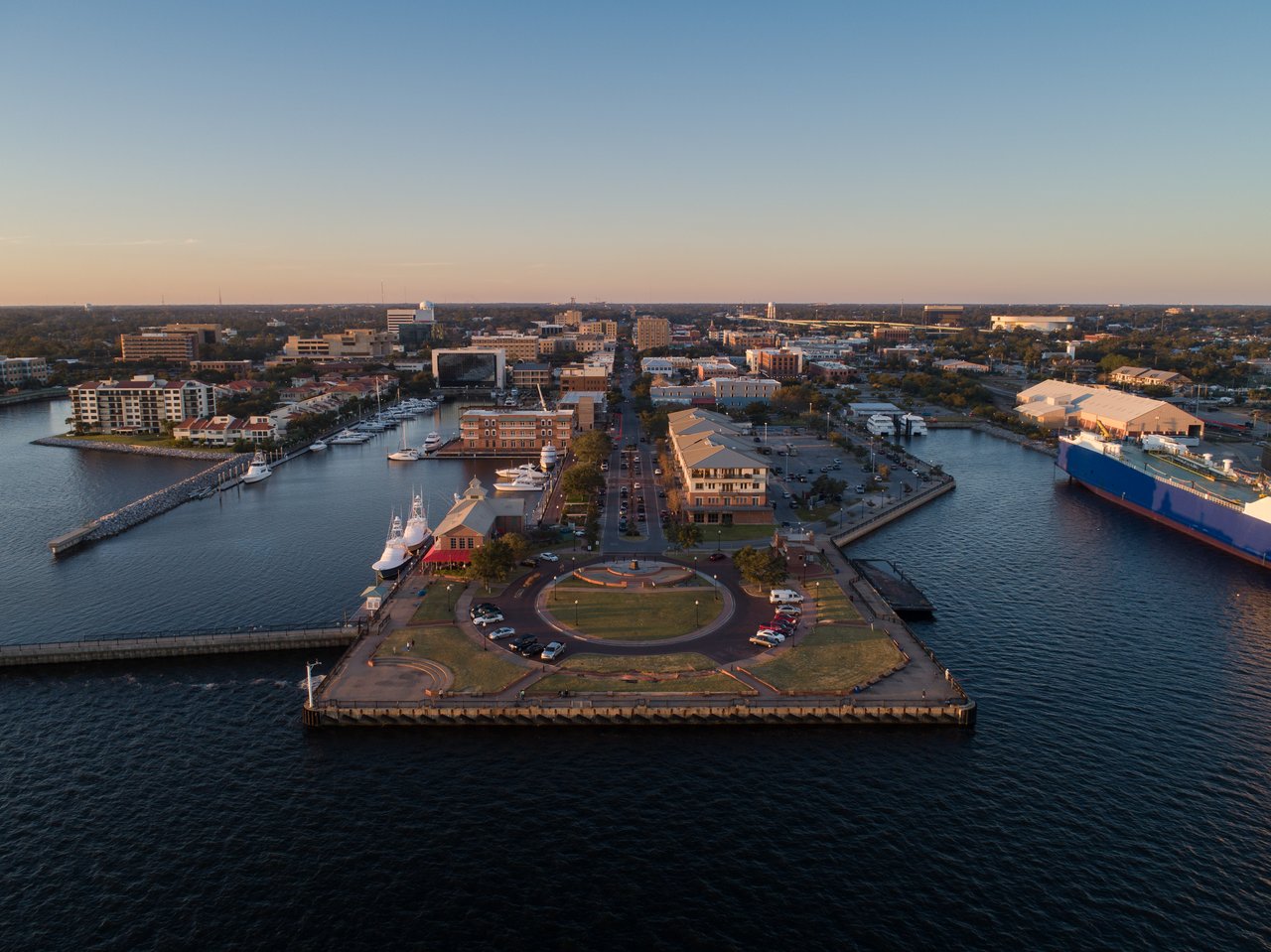
North Hill’s strongest advantage is its direct relationship to downtown Pensacola. Because it borders Palafox Street, it places you close to one of the city’s main corridors for commerce and culture.
The city describes Palafox as a thriving center with specialty retail shops, restaurants, government offices, and entertainment venues. If your ideal historic home also comes with easy access to downtown errands, dining, and events, North Hill may fit your lifestyle more naturally.
North Hill also has its own public-space identity. The neighborhood association highlights Fort George Memorial Park, Florida Square, and Alabama Square, and notes that its parks committee maintains five parks. Community events such as Luminary Night, Spring and Fall Festivals, Cinema on the Green, and AlaBANDa Nights add to that neighborhood feel.
Preservation Review in Both Districts
If you are buying in either Old East Hill or North Hill, you should plan for preservation oversight on visible exterior work. Both districts are reviewed by the city’s Architectural Review Board.
North Hill’s neighborhood association specifically notes that exterior and landscape changes usually require approval. That is important if you are considering future updates and want to understand how a historic address may shape renovation plans.
This does not mean improvements are off the table. It means you should factor review requirements into your timeline, design expectations, and budget when evaluating a property.
Which Historic Address Fits Your Lifestyle?
For many buyers, this choice comes down to how you want your daily life to feel. East Hill, especially Old East Hill, is often the better fit if you want a compact historic core, a neighborhood business strip, and frequent access to parks and public spaces.
North Hill may suit you better if you want a larger-lot preservation district, a wider range of architectural styles, and the closest historic-address connection to downtown Pensacola. Its streetscape tends to read as more spacious, while East Hill tends to feel more intimate and neighborhood-centered.
A simple way to think about it is this:
- Choose East Hill if you value compact historic character, a strong park network, and a built-in neighborhood business pattern.
- Choose North Hill if you value larger lots, broader architectural variety, and quick access to downtown and Palafox Street.
A Smart Way to Compare Homes
If you are actively shopping, try comparing homes in person with these questions in mind:
- Does the street feel compact or spacious to you?
- Do you want to be closer to parks or closer to downtown?
- Is official historic district status important for your search?
- Are you comfortable with preservation review for exterior changes?
- Do you prefer a narrower architectural focus or a broader one?
Those answers can narrow your search faster than price alone. In historic neighborhoods, the feel of the block and the daily rhythm of the area often matter just as much as the home itself.
If you want expert guidance comparing East Hill and North Hill, the Mark Lee Team offers concierge-level buyer support backed by deep Pensacola market knowledge and a polished, client-first approach.
FAQs
What is the difference between East Hill and Old East Hill in Pensacola?
- East Hill can refer to the broader neighborhood, while Old East Hill is the city’s official historic core with defined boundaries and preservation oversight.
Is North Hill closer to downtown Pensacola than East Hill?
- Yes. North Hill borders Palafox Street and is the more downtown-adjacent historic district of the two.
Do homes in East Hill and North Hill require historic review for exterior changes?
- Yes. Both Old East Hill and North Hill are reviewed by the city’s Architectural Review Board for visible exterior changes, and North Hill sources also note landscape changes usually require approval.
Which Pensacola historic neighborhood has more parks and public spaces?
- East Hill is the more park-dense option in the source material, with more than 17 parks and public spaces noted by the neighborhood association.
Are lot sizes different between Old East Hill and North Hill?
- Yes. Old East Hill zoning allows smaller lots and narrower widths, while North Hill zoning calls for larger minimum lot areas and wider lot widths, which creates a more spacious streetscape.
Which historic neighborhood is better for buyers who want architectural variety?
- North Hill offers a wider architectural mix, including Queen Anne, Classical Revival, Tudor Revival, Spanish Colonial Revival, Modern, and Bungalow styles.