Thinking about a place where you can slip away for long weekends, soak in Gulf sunsets, and still be close to city comforts? Pensacola Beach offers that blend of laid‑back island living and easy mainland access many second‑home buyers want. You also know a smart second‑home purchase takes more than a pretty view. You need clear facts on seasons, insurance, rental rules, and day‑to‑day logistics. This guide gives you a grounded look at ownership on Pensacola Beach so you can move forward with confidence. Let’s dive in.
Life on Pensacola Beach
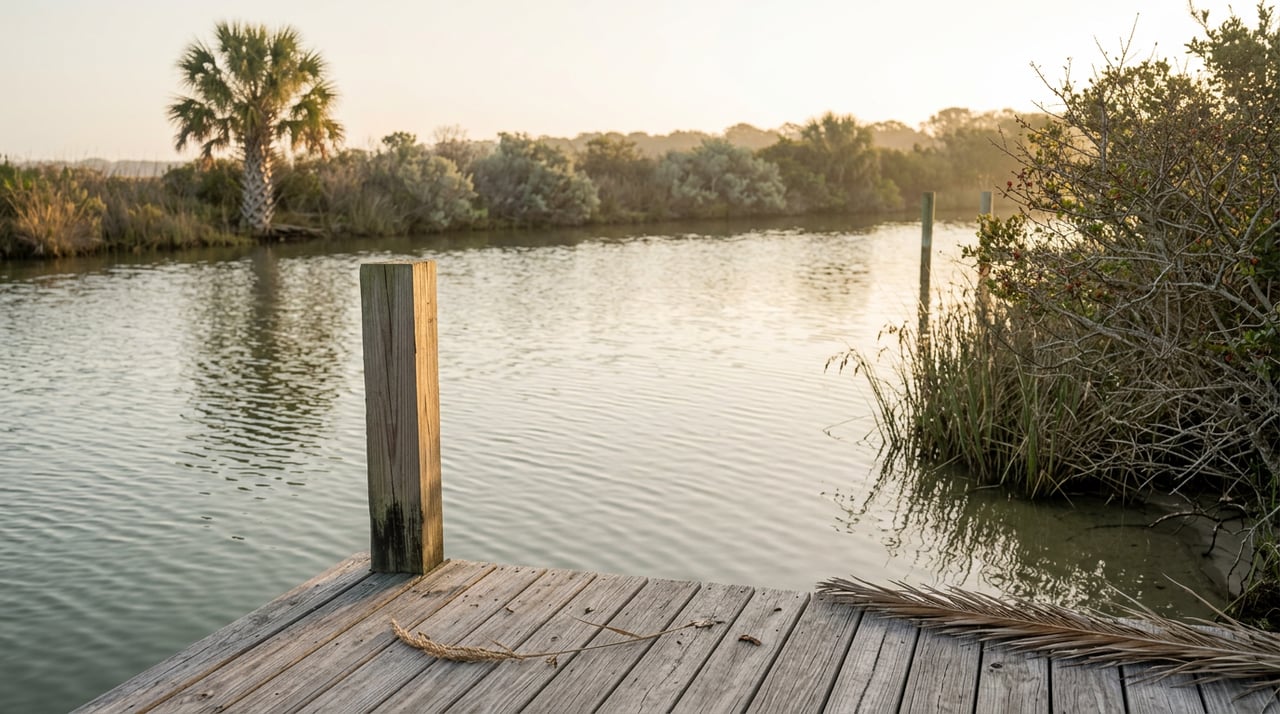
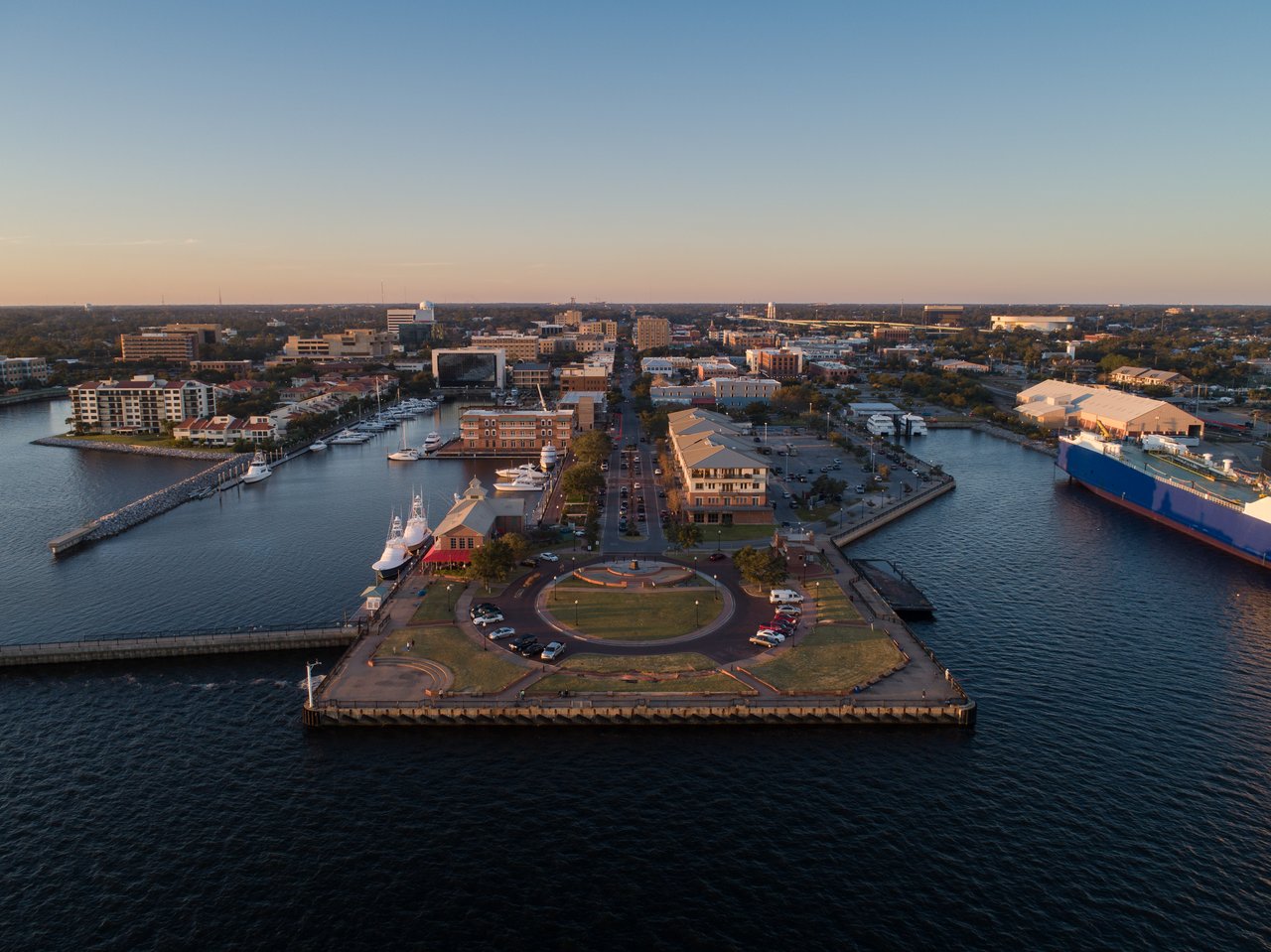
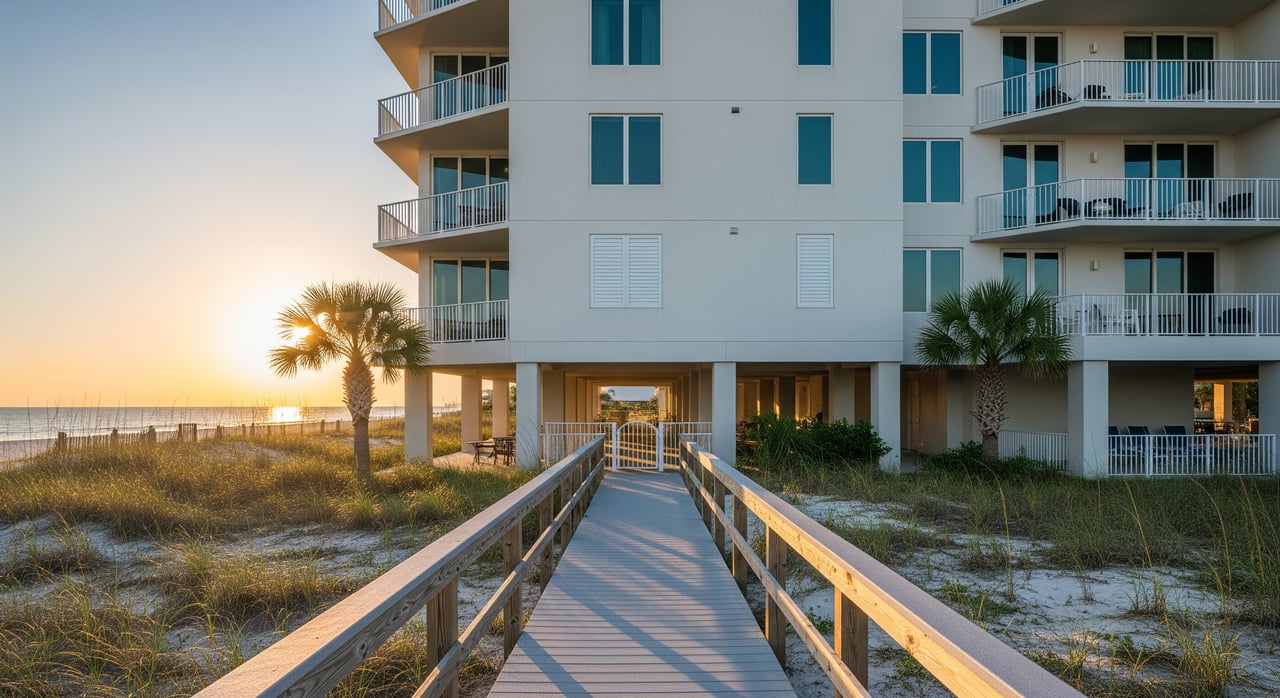
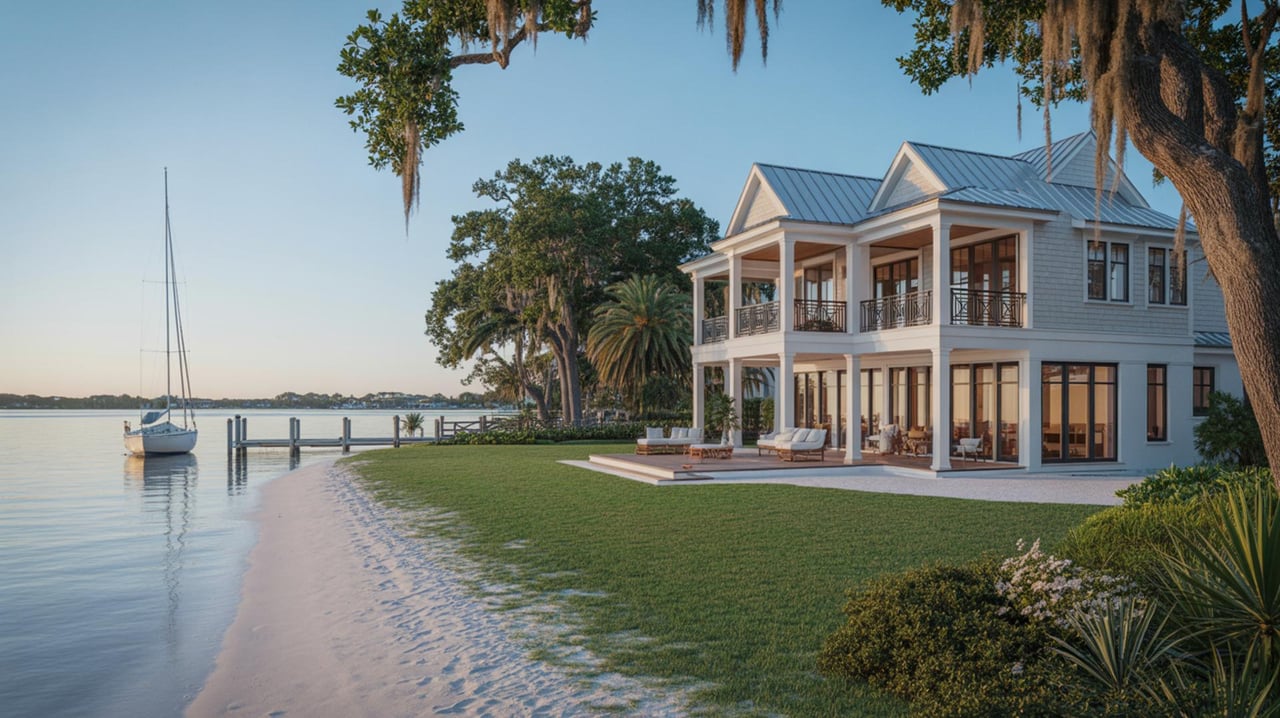
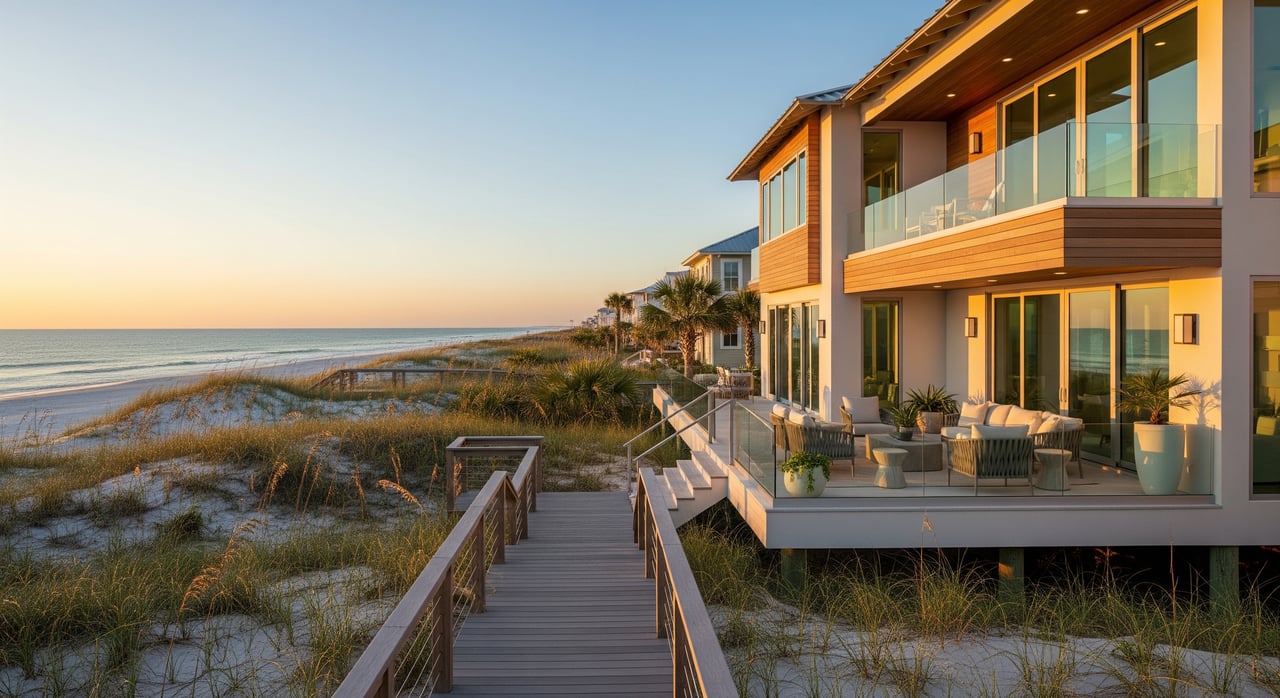
Pensacola Beach sits on Santa Rosa Island, with white‑sand Gulf beaches on one side and Pensacola Bay on the other. You get a classic beach town feel, the island’s boardwalk energy, and quick trips to Gulf Breeze and Pensacola for groceries, services, and flights. Protected lands like Gulf Islands National Seashore add miles of natural shoreline and historic sites to explore.
If you enjoy a balance of lively summer days and calmer winter months, this island rhythm fits well. You can lean into boating, fishing, dining by the water, or simply walking the beach at sunrise and sunset.
Seasonal rhythms to expect
- High season runs from late spring into summer, especially Memorial Day through Labor Day. Expect heavier traffic, busier restaurants, and fuller beaches.
- Spring and fall are popular shoulder seasons with comfortable weather and fewer crowds. Many owners book their own stays during these windows.
- Late fall and winter slow down. Commercial hours may shorten, and the island feels quieter. Hurricane and storm risk peaks in late summer and early fall, so plan for that in your calendar.
Daily essentials and access
The core beach and boardwalk area is walkable, but you will likely rely on a car for grocery runs, medical appointments, and airport trips. Parking near the busiest areas can be tight in peak months. For recreation beyond the beach, explore the trails and historic sites within Gulf Islands National Seashore on the island’s western end. When guests visit, it is easy to add coastal and aviation attractions to the itinerary.
What you can buy
You will find a range of second‑home options:
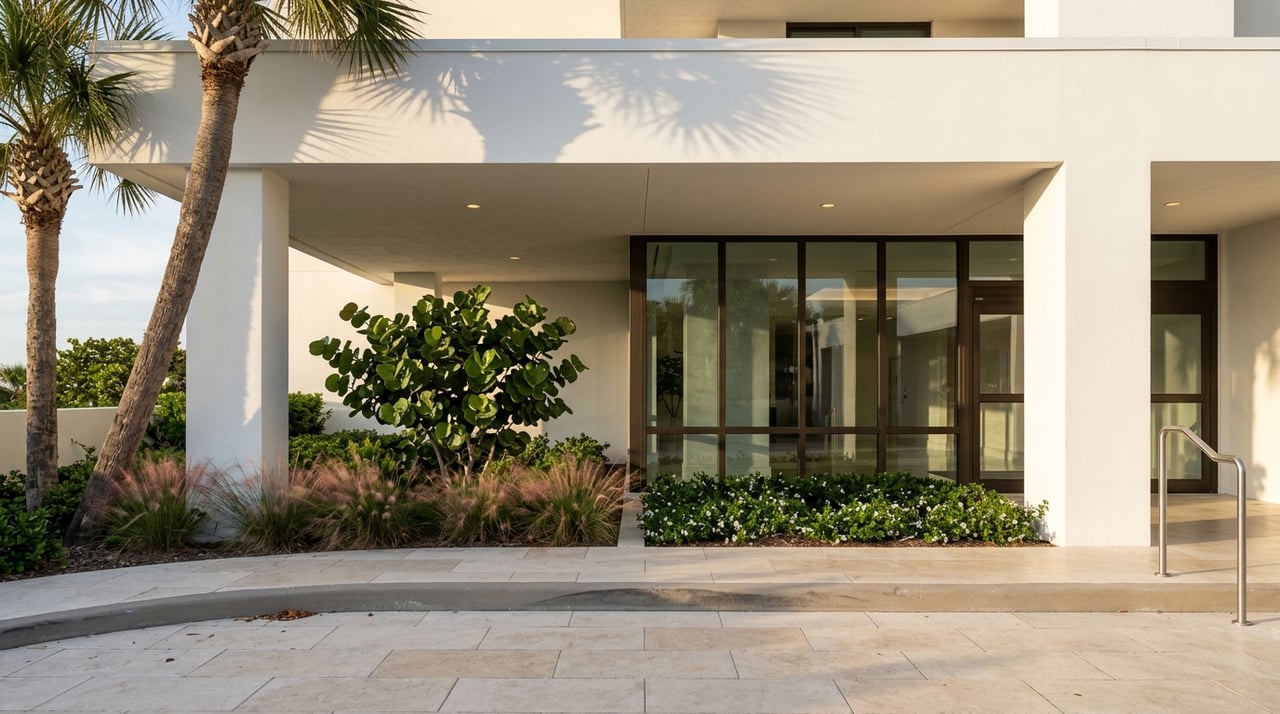
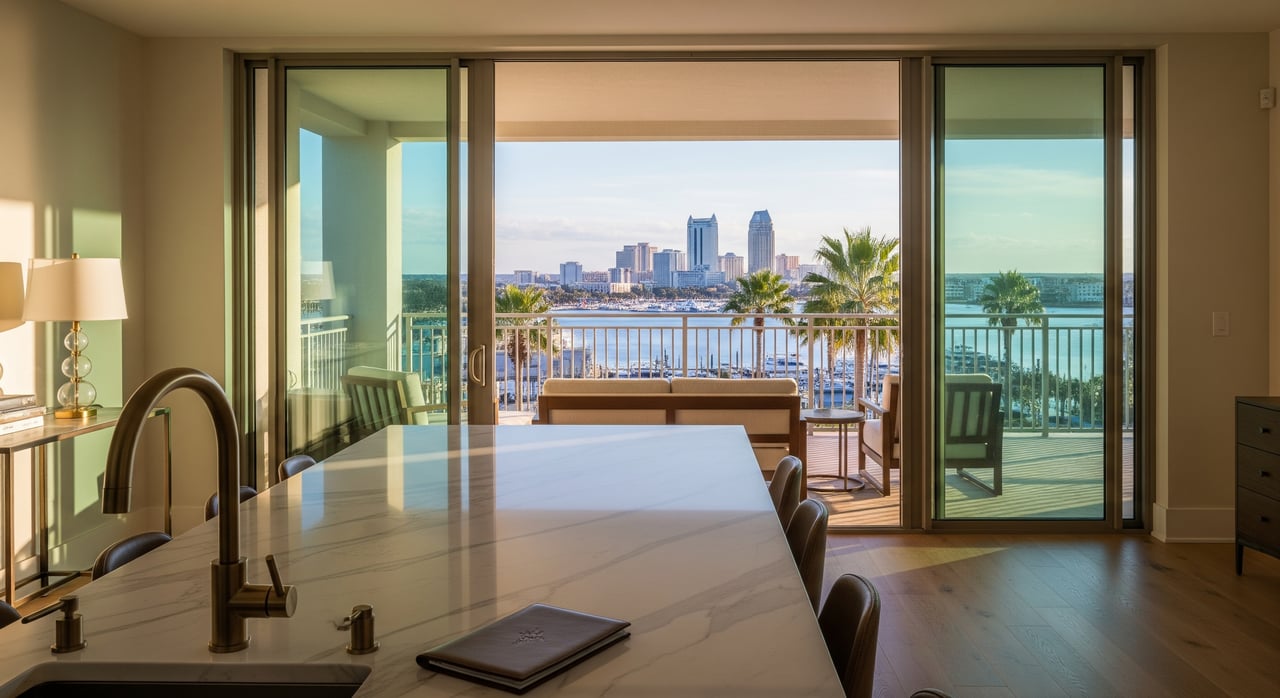
- Condominiums are popular for low‑maintenance living and turnkey use. Many buildings offer gulf‑view or beachfront positions and on‑site amenities.
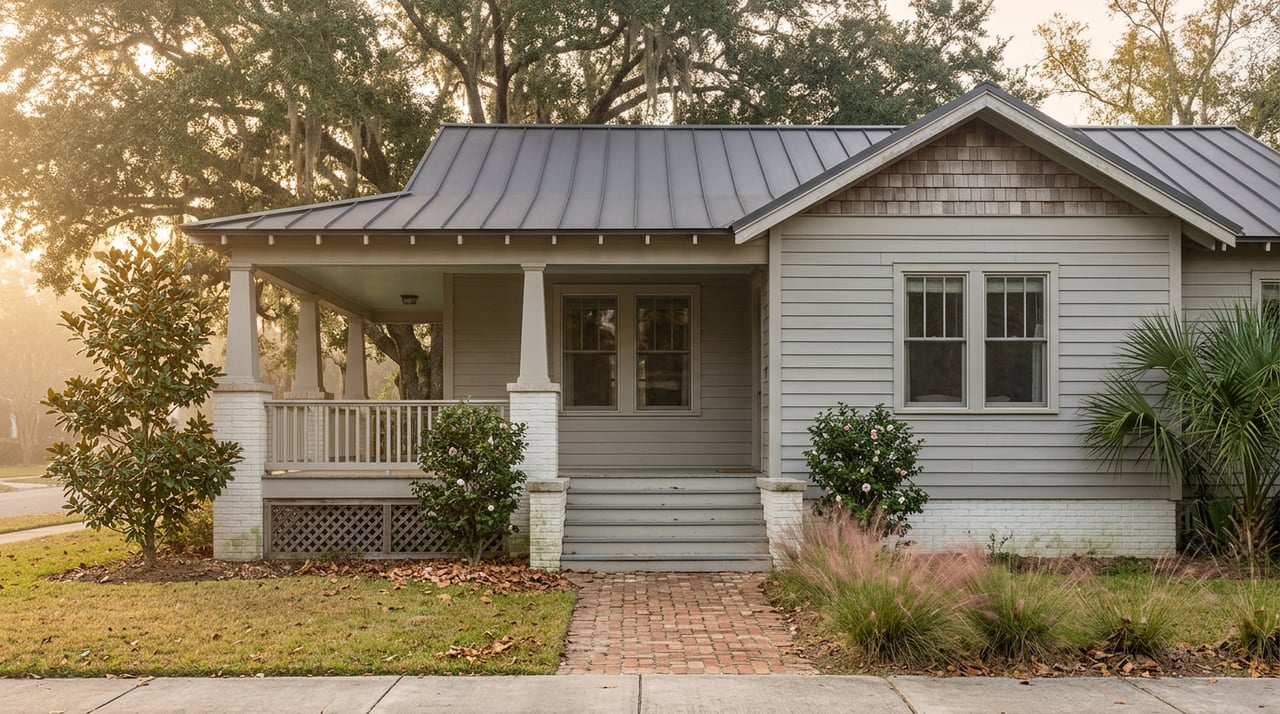
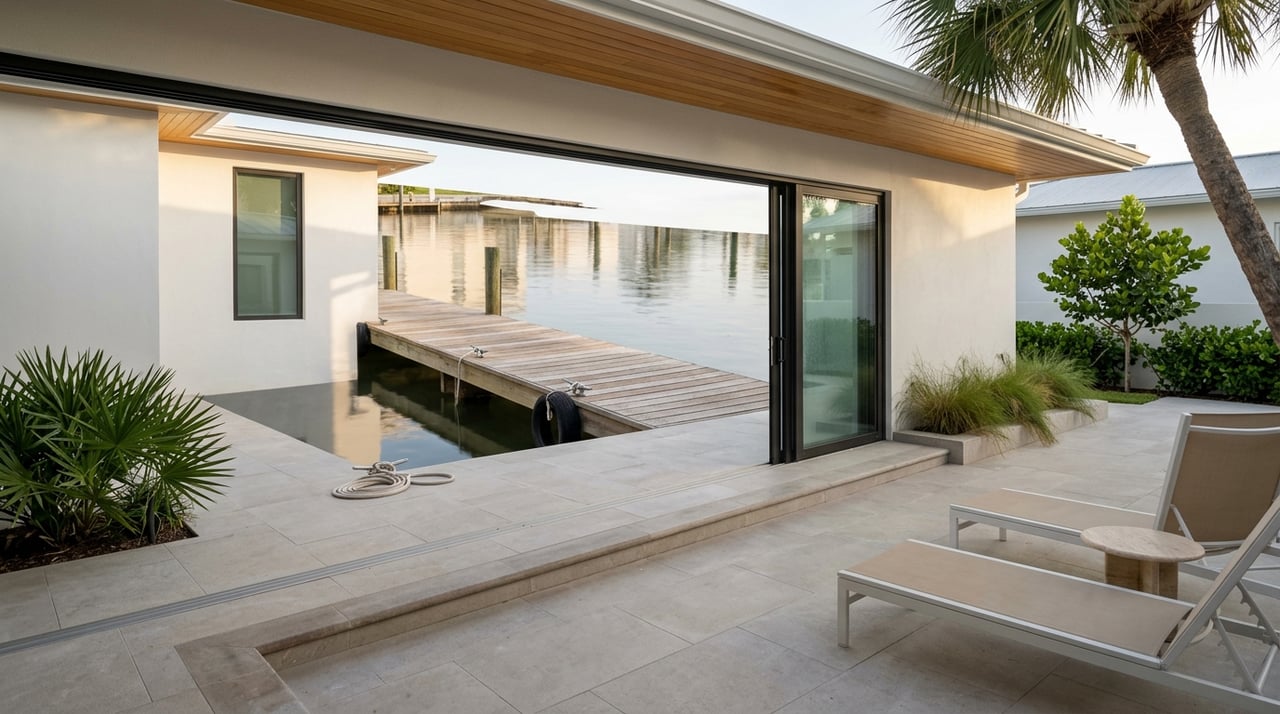
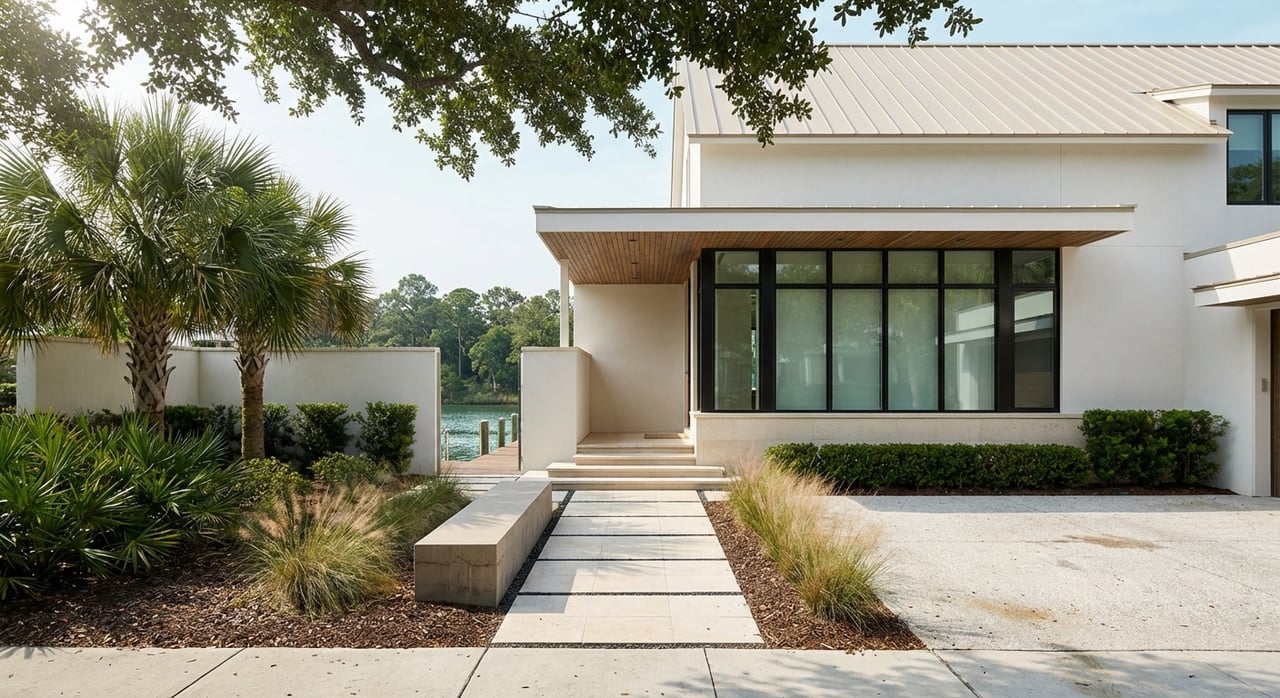
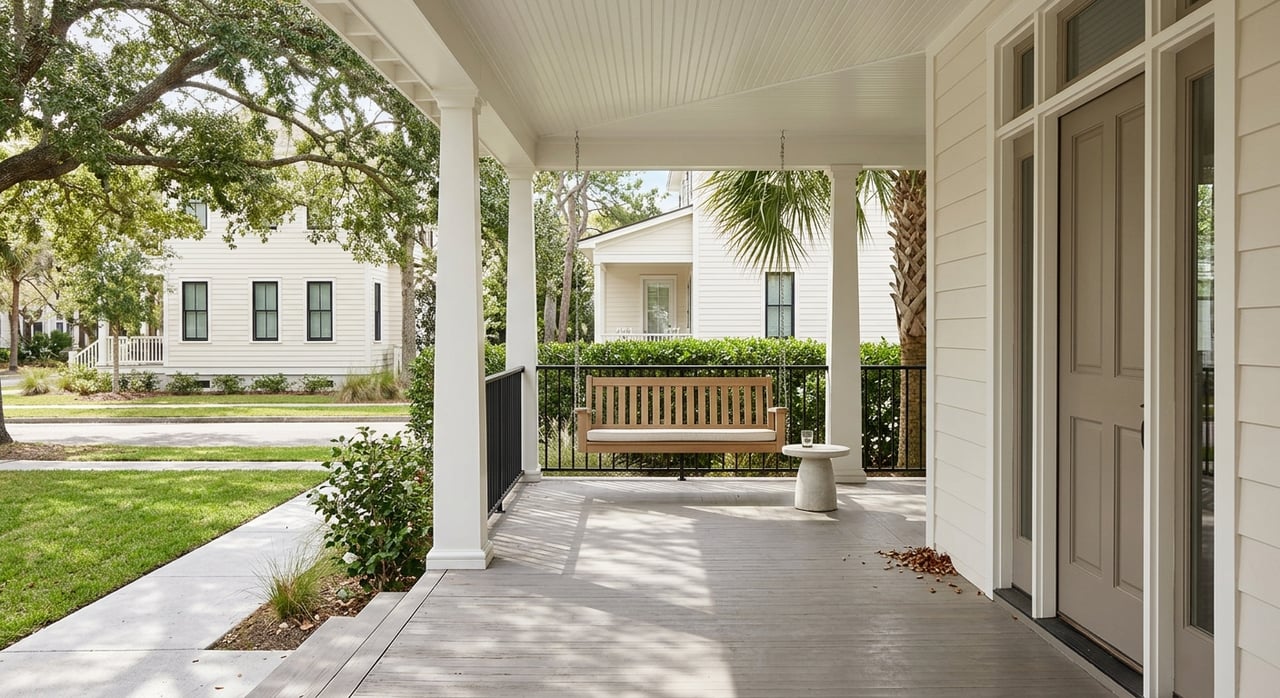
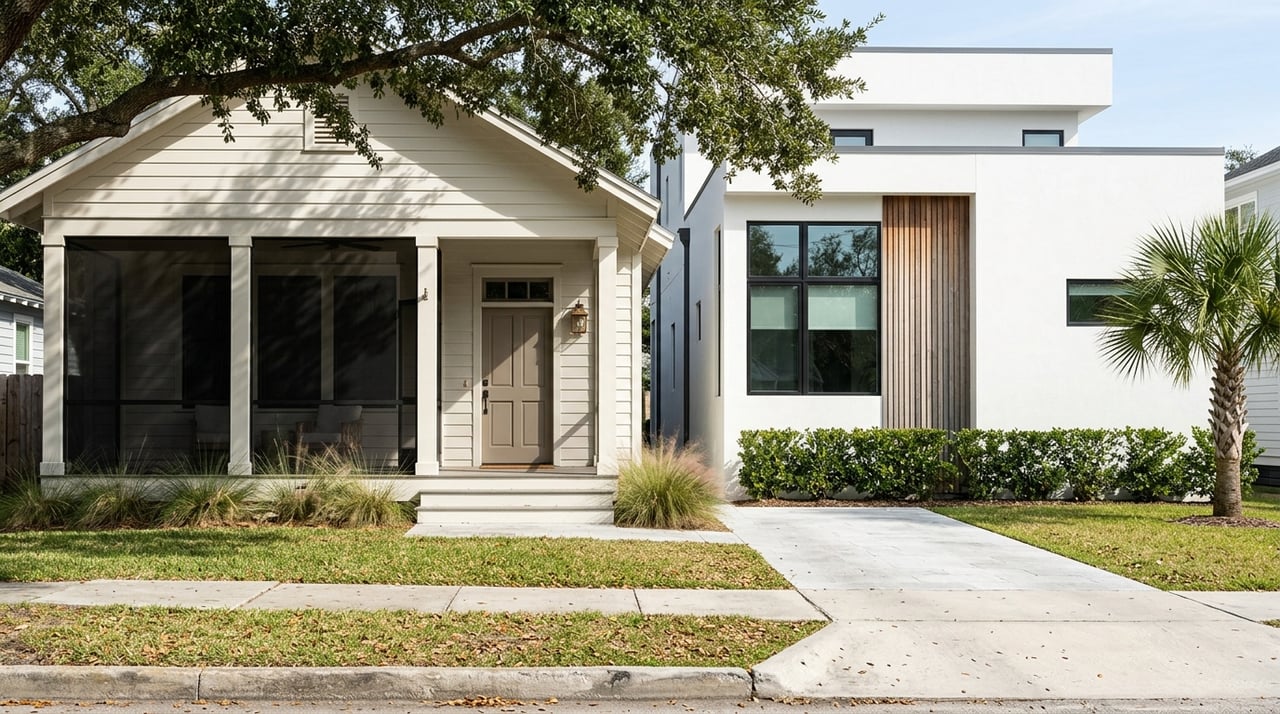
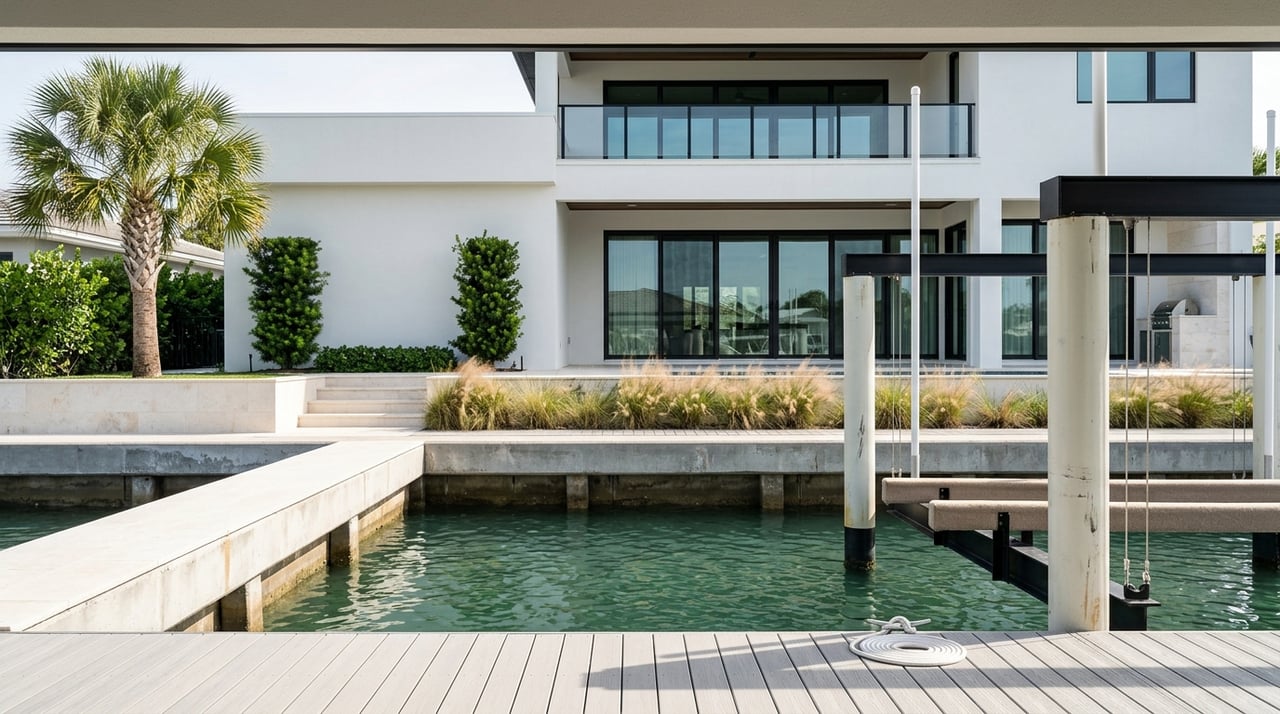
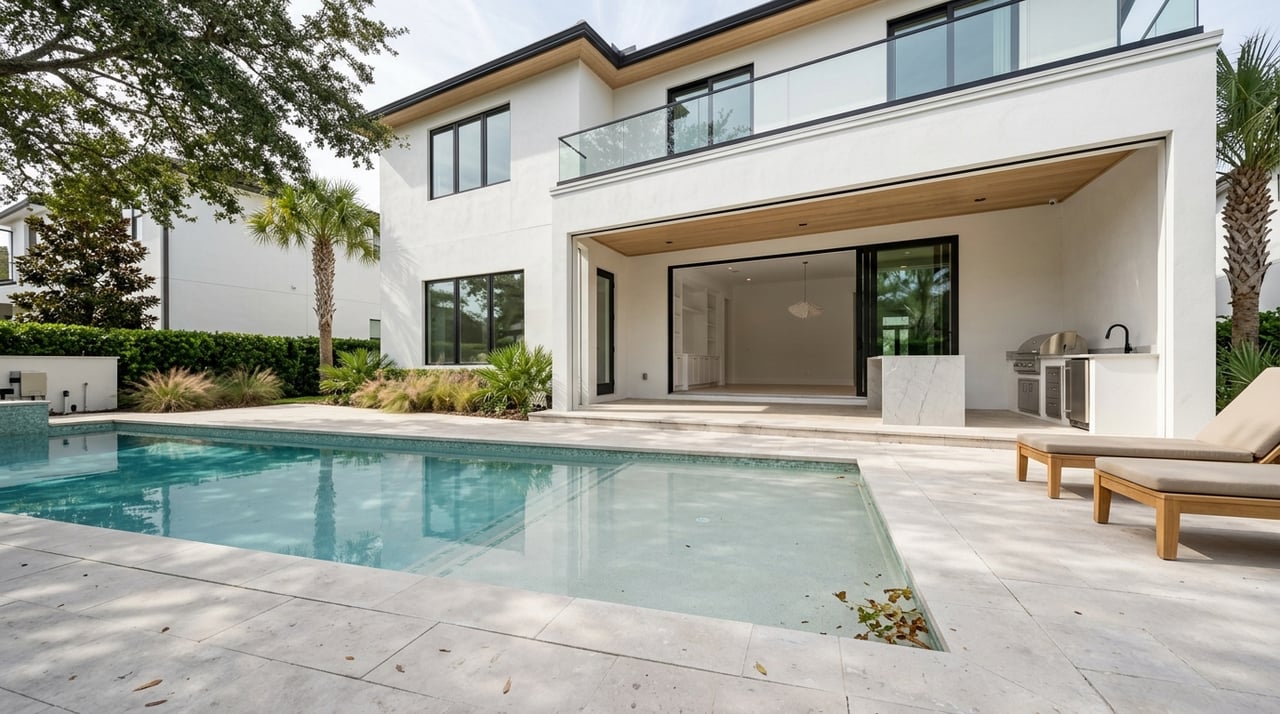
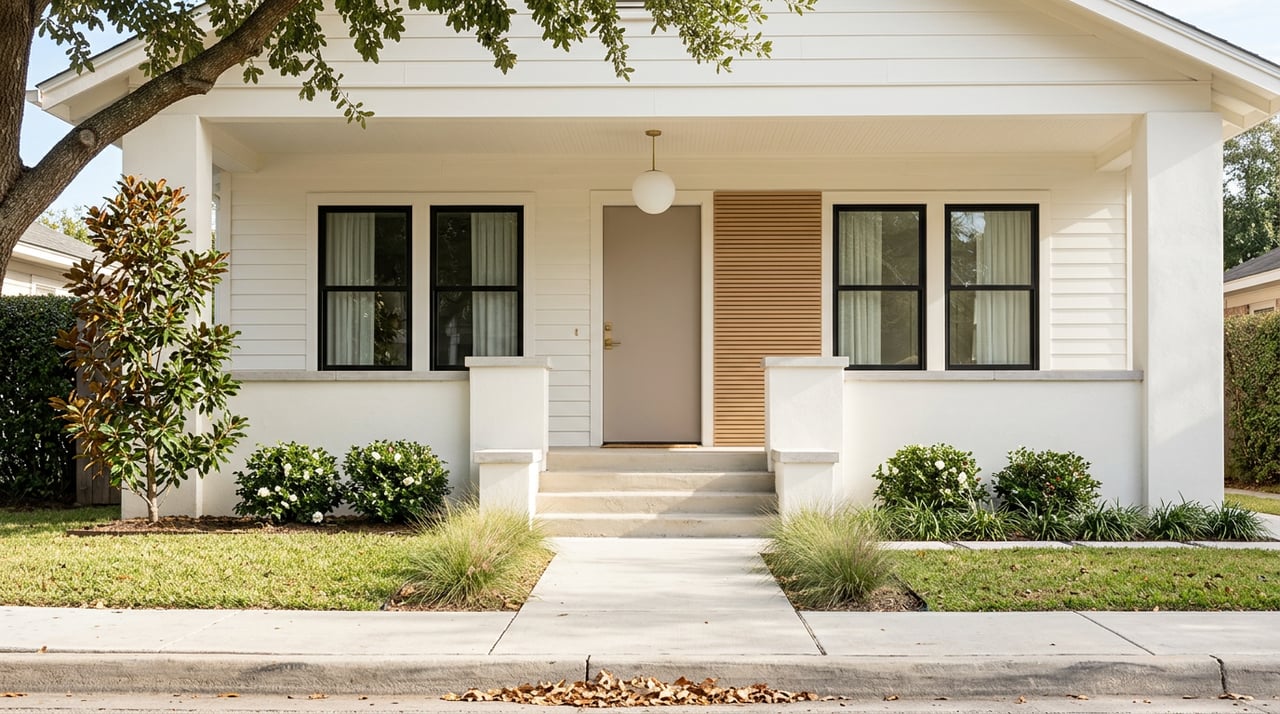
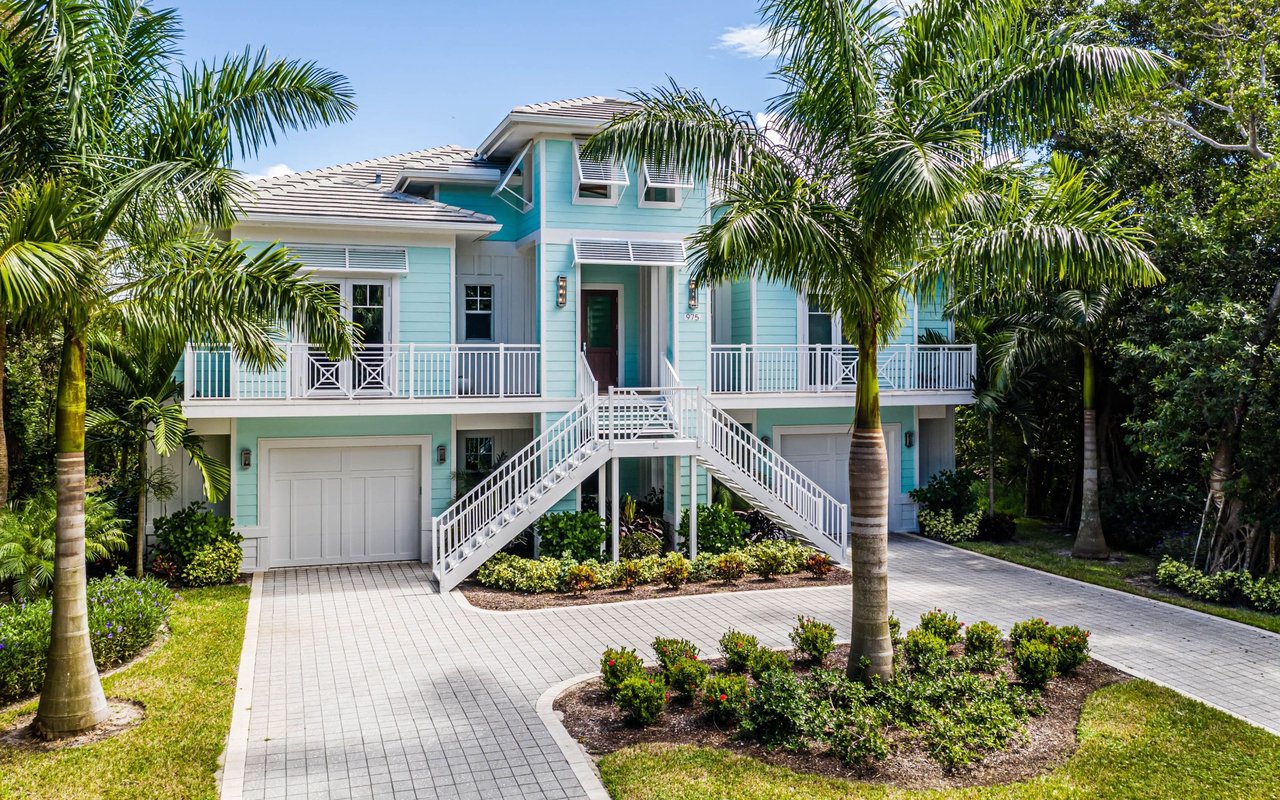
- Single‑family homes and duplexes line both the Gulf and the bay. Gulf‑front settings and bay‑side docks command premiums, while off‑water addresses trade cost for privacy and calmer streets.
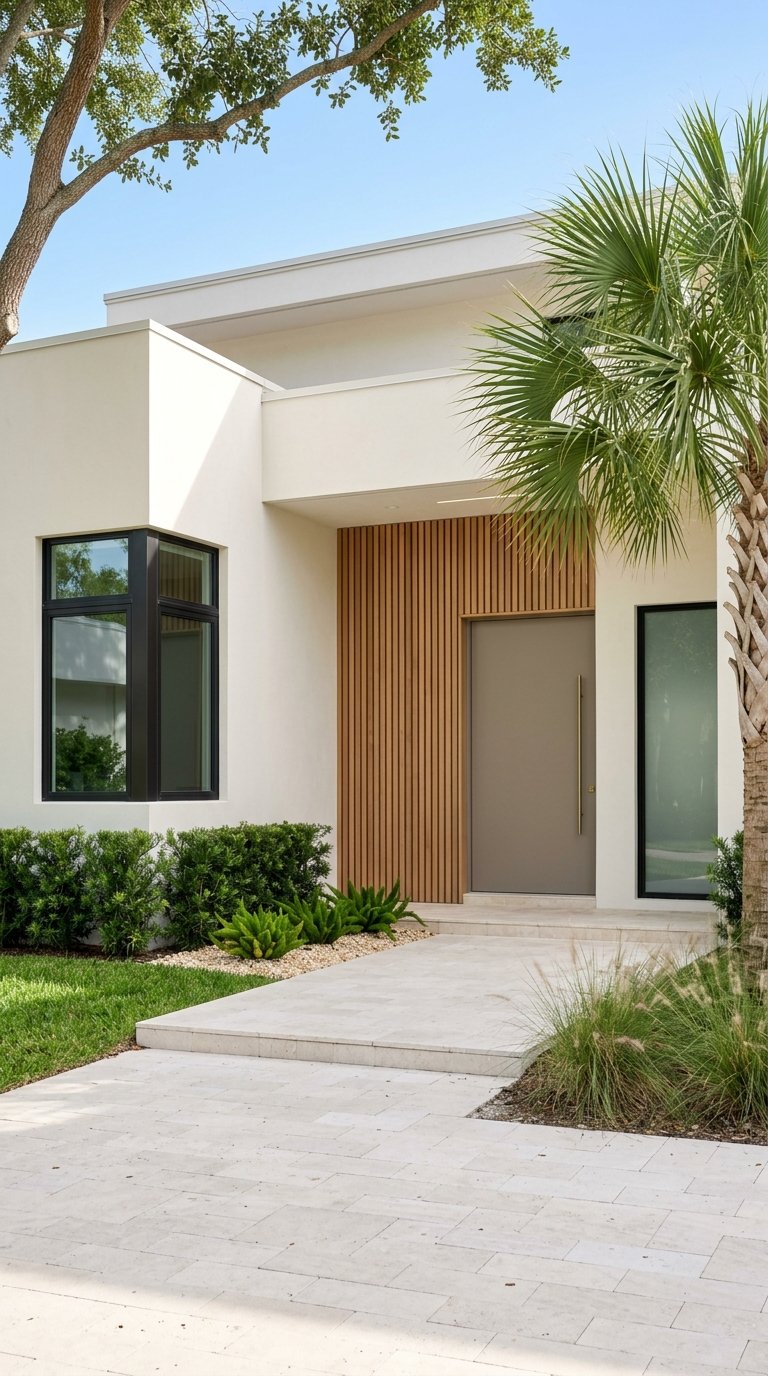
- Townhomes and newer planned pockets exist in select areas, often with HOA amenities that simplify upkeep.
Who second homes fit
- Occasional getaway owners who want lock‑and‑leave convenience tend to favor condos and professional property management.
- Seasonal residents planning longer stays often prioritize a comfortable primary suite, quiet surroundings, and easy access to dining and marinas.
- Investors who also enjoy personal use may consider short‑term rentals. Success depends on location, HOA rules, and compliance with county tax and licensing requirements.
- Buyers aiming to transition into full‑time living over time should weigh medical access, longer‑term services, and maintenance plans.
For current pricing and inventory, confirm details through the local MLS and county records. Parcel data and assessed values are available from the Escambia County Property Appraiser.
Costs and ownership basics
Owning on a barrier island is different from owning inland. Plan for insurance, maintenance, and any association costs before you write an offer.
Insurance and flood considerations
You will want to get insurance quotes early. Coastal properties carry two primary risk drivers: wind and storm damage, and coastal flooding from storm surge.
- Homeowners coverage may separate wind coverage or include a hurricane deductible provision.
- Flood insurance is often recommended or required by lenders in higher‑risk zones. Compare National Flood Insurance Program options with private carriers. Start with the FEMA Flood Map Service Center to verify the parcel’s flood zone, then review guidance from the National Flood Insurance Program.
Quotes can vary by elevation, construction type, and distance from the water. If a seller has an elevation certificate, ask for it. If not, you may choose to obtain one during due diligence.
Codes, elevation, and permitting
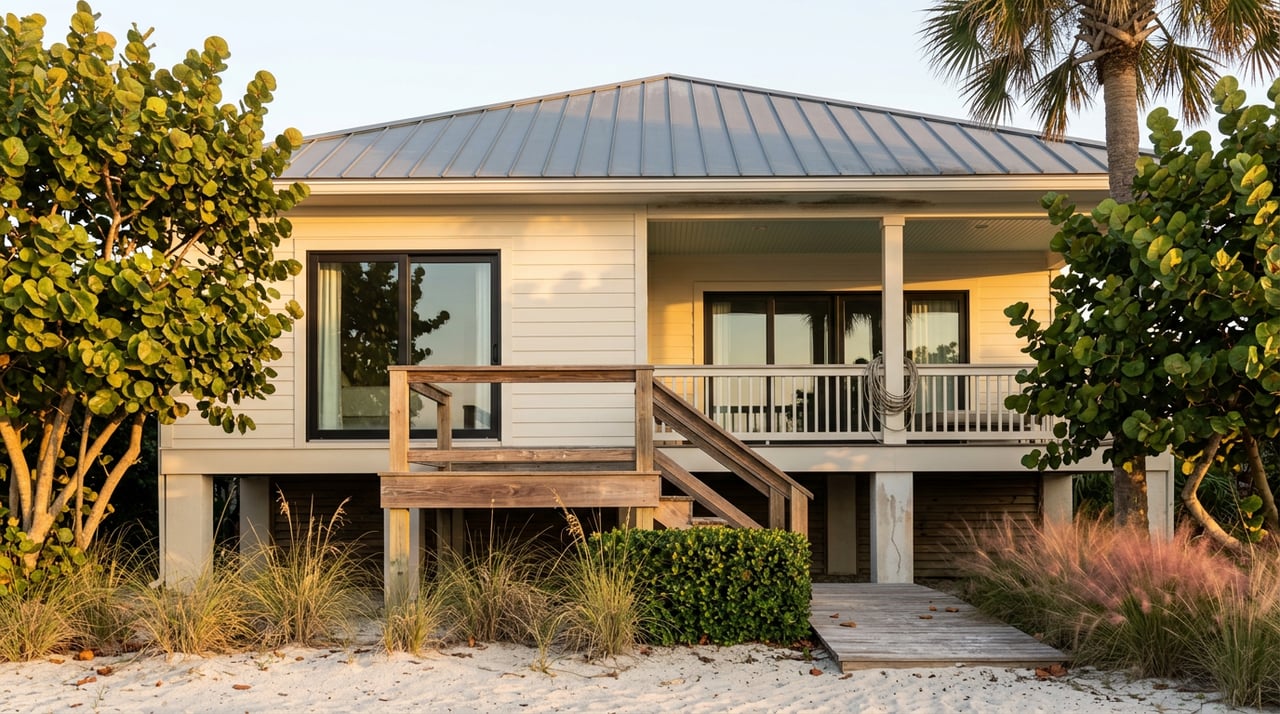
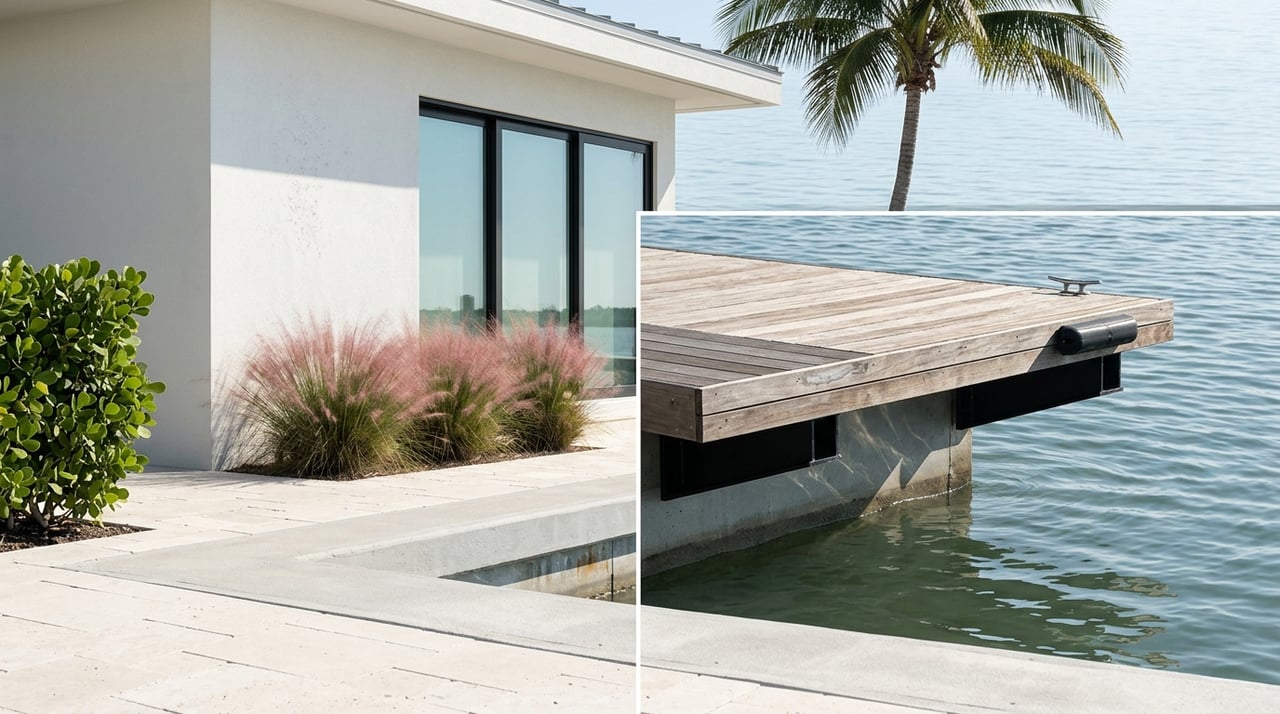
Barrier‑island construction follows Florida Building Code coastal provisions and local Escambia County permitting. Newer homes commonly sit on pilings or raised slabs with wind‑resistant systems. Beachfront changes may intersect with environmental rules such as the Coastal Construction Control Line. For background, consult the Florida Department of Environmental Protection’s CCL information, and confirm specifics with local authorities.
Taxes, fees, HOAs, and utilities
- Property taxes are assessed by Escambia County. Second homes do not receive a homestead exemption. Review parcels through the county appraiser and plan for standard millage and any special assessments.
- If you plan to rent short‑term, transient rental taxes apply. The Escambia County Tax Collector outlines current rates and remittance steps.
- HOA or condo fees are common for condos and some townhomes. These often cover building insurance, exterior maintenance, reserves, and amenities. Read governing documents carefully, including special assessment authority and rental rules.
- Utility providers vary by address. Confirm electricity, water and sewer service, internet options, and trash pickup during due diligence.
Renting your second home
Short‑term rentals are common on Pensacola Beach, but rules differ by community and building. Many condo associations set minimum stays, guest rules, and blackout periods. Some neighborhoods limit or do not allow short‑term rentals at all.
Before you count on rental income, complete a compliance checklist:
- Review condo or HOA documents for rental rules and any caps.
- Verify local registration or business license steps.
- Confirm transient occupancy tax registration and remittance with the county tax collector.
- Add the correct insurance coverage for rentals.
- Share local parking and noise expectations with guests.
If rental income is important to your plan, run conservative projections and build in seasonality. Peak summer weeks often book first, while off‑season rates and occupancy are lower.
Risk, maintenance, and preparedness
Salt, humidity, and wind can speed up wear on exterior materials, windows, and HVAC. Budget for more frequent servicing than a typical inland home. If you will be away for long stretches, a local property manager can coordinate routine checks, cleaning, guest turnover, and storm preparation.
Hurricane preparedness is part of coastal ownership. Escambia County defines evacuation routes and storm staging. If you are off‑island, have a plan for shutters, moving outdoor items, checking bilge pumps, and relocating boats when needed. Sign up for local alerts and track guidance through Escambia County Emergency Management.
Your smart search plan
A thoughtful approach helps you choose the right fit and avoid surprises.
Visit in multiple seasons
Plan at least two trips: one during a busy summer weekend and one in the quieter fall or winter. You will experience real‑world traffic, parking, restaurant waits, and how the island feels in different months. If boating is important, tour marinas and ask about dock space and waitlists.
Compare locations and property types
Tour a mix of gulf‑front, bay‑side, and a street or two off the water to see the tradeoffs among views, exposure, and cost. Walk lobbies and amenity areas in candidate condo buildings. Ask about recent repairs, reserves, and any planned projects.
Due diligence checklist
- Flood zone lookup and elevation certificate, if available, through the FEMA Flood Map Service Center
- Insurance quotes for homeowners, wind, and flood coverage
- Condo or HOA bylaws, budgets, reserves, special assessment history, and rental rules
- Transient rental tax and licensing steps with the Escambia County Tax Collector
- Utility providers, internet speeds, and trash service by address
- Repair and permitting history, plus any water intrusion or wind claims
- Property management options and fees, if you plan to rent or be away
Travel access made easy
Pensacola International Airport offers multiple carriers and routes for quick owner access. Review flight options and schedules at Pensacola International Airport as you plan visit frequency and guest travel.
Ready to explore your options?
Owning a second home on Pensacola Beach can deliver the lifestyle you want, as long as you plan for coastal realities. When you pair clear due diligence with local market insight, you can choose the right building or neighborhood, secure proper coverage, and decide how rentals fit into your goals.
If you are ready to take the next step, our team is here to guide you from first tour to close with concierge‑level service tailored to coastal properties. Start your search or request a private consultation with the Mark Lee Team.
FAQs
Is Pensacola Beach busy year‑round for second‑home owners?
- Peak activity runs late spring through summer with heavier traffic and crowds. Fall and winter are noticeably quieter, though holidays can still draw visitors.
What insurance do I need for a Pensacola Beach second home?
- Most owners carry homeowners coverage that addresses wind exposure, plus flood insurance through the NFIP or private carriers. Verify your flood zone via FEMA and obtain quotes early.
Can I rent my Pensacola Beach property short‑term?
- Many properties allow short‑term rentals, but rules vary by building and neighborhood. Confirm HOA requirements, complete tax registration with the county, and add appropriate insurance.
How do building codes affect coastal homes on Santa Rosa Island?
- Florida Building Code coastal provisions and local permitting apply. Many homes are elevated with wind‑resistant construction. Beachfront work may involve Coastal Construction Control Line rules.
Where can I find official parcel and tax information?
- Use the Escambia County Property Appraiser for parcel records and assessed values, and the Escambia County Tax Collector for property and transient rental tax details.