Thinking about a downtown Pensacola condo as an investment? You are not alone. The walkable lifestyle, historic streets, and waterfront access are big draws for tenants and second‑home renters. But to make the numbers work, you need a clear process to underwrite HOA fees, reserves, insurance, rental rules, and realistic returns. This guide gives you a practical framework, a sample pro forma, and a due‑diligence checklist tailored to Downtown Pensacola. Let’s dive in.
Why downtown Pensacola condos
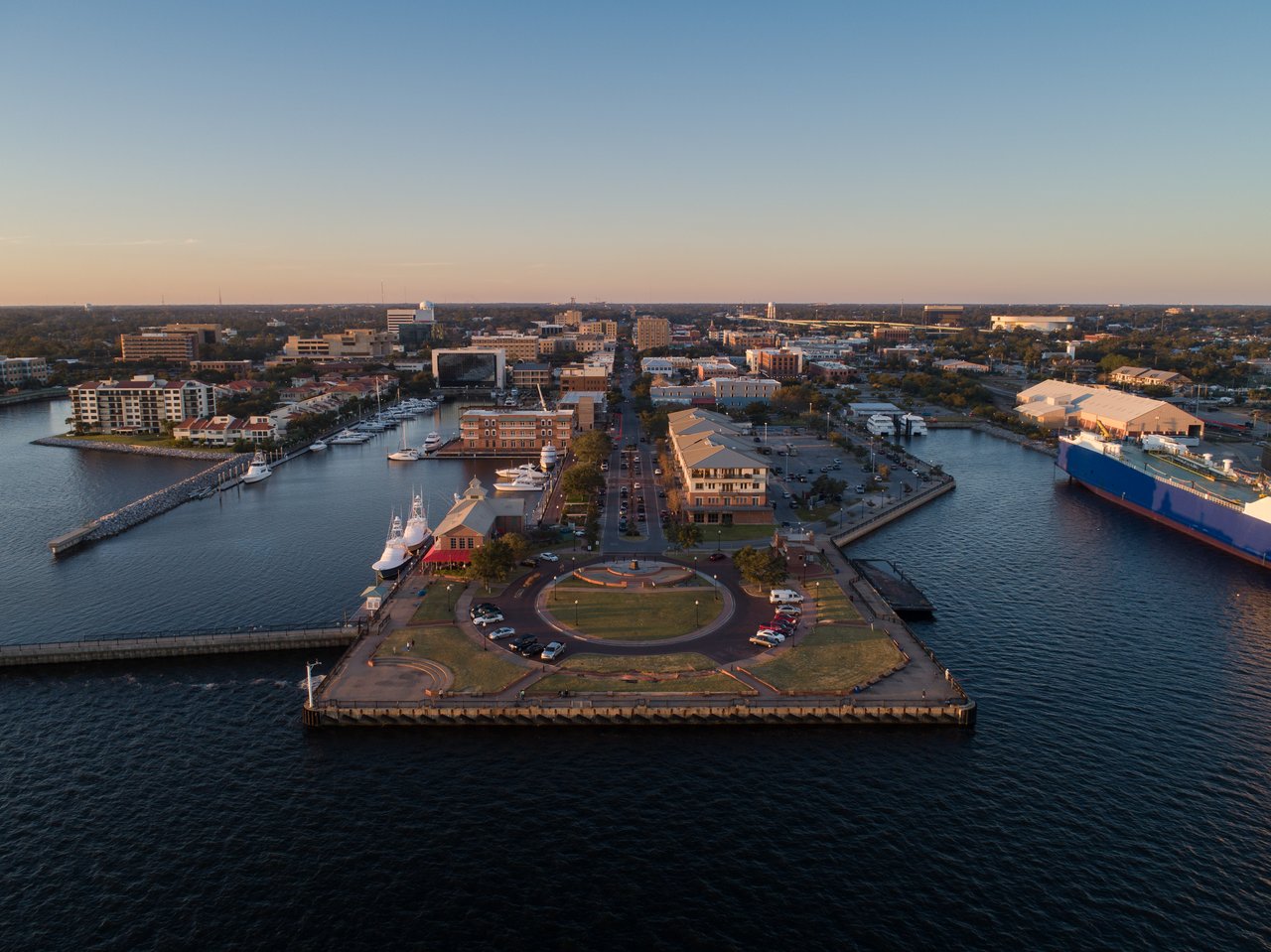
Downtown Pensacola blends historic charm with newer mixed‑use and waterfront buildings. The location supports demand from residents who value walkability, dining, and events. That same energy can create tradeoffs like parking pressure and weekend noise.
As an investor, you benefit from a compact market where building quality and association health vary widely. Your goal is to pinpoint buildings with solid governance, stable reserves, and HOA fees that align with achievable rents.
Know the rules and oversight
Florida is a condo‑heavy state with well‑defined statutes and oversight. Before you offer, review the:
- Florida Condominium Act for governance, maintenance obligations, reserves, and owner rights. See the Florida Condominium Act.
- Consumer resources and association information from the state regulator at the Florida DBPR condominium resources.
Downtown specifics to verify on every deal:
- Flood zone and base flood elevation using the FEMA Flood Map Service Center. This affects lender requirements and insurance costs.
- Building age, construction type, and any required structural inspections for older or larger buildings in Florida. Your association packet should include engineering reports.
- Local code and event context through the City of Pensacola for permits, planning activity, and downtown calendars.
- Property taxes and assessments with the Escambia County Property Appraiser. Taxes drive your operating expenses.
Underwrite the HOA fee first
Your largest expense is often the monthly HOA. Start by requesting the current annual budget and year‑to‑date financials, then confirm exactly what the fee covers. Common inclusions are building insurance, exterior maintenance, landscaping, elevators, water and sewer, trash, common area utilities, security, and management. Some buildings also include pest control, elevator contracts, fire alarm service, and bulk cable or internet.
Key test: Calculate the HOA as a percent of projected rent. If the monthly HOA exceeds roughly 35 to 50 percent of market rent, the unit is likely to be cash‑flow negative for long‑term rentals unless purchase price is adjusted.
Ask for:
- The current budget and last two years of financials
- A line‑item breakdown of utility contracts and maintenance agreements
- Any planned fee increases and the rationale
Reserves and special assessment risk
Healthy reserves reduce surprises. Request the most recent reserve study and the current reserve ledger. Review the funded ratio and the schedule for major components like roofs, windows, elevators, HVAC, parking structures, and seawalls.
- Adequate reserve funding aligns with the building’s reserve study. See the Community Associations Institute guidance on reserve studies for best practices.
- Low reserves often mean higher future HOA fees or special assessments. Ask whether the board anticipates assessments for capital needs or hurricane deductibles.
Look for consistency between the reserve study, the budget’s reserve contribution line, and the board meeting minutes. Gaps here signal risk.
Insurance to verify in coastal Florida
Request the association’s certificate of insurance and master policy. Determine:
- Policy type: Does the master policy cover common elements only, bare walls, or more comprehensive structural coverage? This defines what you must cover with an HO‑6 policy.
- Deductibles: Identify the property and wind or hurricane deductibles, and whether they are per‑occurrence, percentage based, or per‑unit. Large deductibles can lead to assessments.
- Liability and governance coverage: Check general liability, fidelity bond for association funds, and D&O limits.
For owner coverage, plan an HO‑6 policy that includes interior finishes, personal property, loss assessment coverage, and loss of use. For background on Florida market dynamics and consumer information, consult the Florida Office of Insurance Regulation.
Rental rules and occupancy limits
Do not assume leasing is allowed. Review the declaration, bylaws, and rules for:
- Rental caps or minimum lease terms
- Any waiting period after purchase before a unit may be leased
- Application, screening, and approval processes
- Explicit prohibitions on short‑term rentals
City allowances do not override the condo documents. Short‑term rental feasibility is often determined by the association’s rules. Also confirm the owner‑occupancy ratio, investor concentration, delinquency rates, and any active litigation.
If you plan to finance, be aware that conventional lenders follow project‑level standards for occupancy, investor concentration, insurance, and litigation. See the Fannie Mae condo project requirements to understand how project status can affect your loan options and down payment.
Parking, noise, and walkability tradeoffs
Parking matters downtown. Verify whether your unit includes deeded, assigned, or unassigned parking and any guest parking rules or additional costs. Walkability near the Palafox Street corridor and waterfront events supports demand, but it can add noise and weekend activity. Visit the building at different times, including event nights, to assess tenant experience.
Build a realistic pro forma
Break your underwriting into income, deductions, and owner expenses. For long‑term rentals, include:
- Income: potential gross rent, plus any parking or storage income
- Deductions: vacancy and credit loss at 5 to 10 percent
- Owner expenses: HOA fee, property taxes, HO‑6 insurance, owner‑paid utilities, interior maintenance, management, reserves, and miscellaneous leasing or legal costs
Cap rate ranges for small condo units in secondary coastal downtowns often fall in the mid to low single digits, roughly 3 to 6 percent depending on rents, fees, and building type. Always replace assumptions with actual numbers from the association packet, local tax records, and insurance quotes.
Illustrative pro forma (hypothetical)
This example demonstrates the math. Replace with the unit’s actual HOA, taxes, insurance, and rent.
| Line item | Annual amount |
|---|---|
| Purchase price | $300,000 |
| Market rent | $21,600 |
| Vacancy at 8% | −$1,728 |
| Effective gross income | $19,872 |
| HOA fees | −$5,400 |
| Property taxes (assumed 1.2%) | −$3,600 |
| HO‑6 insurance | −$700 |
| Owner‑paid utilities | −$600 |
| Maintenance and repairs | −$1,200 |
| Management at 8% EGI | −$1,590 |
| Owner reserves/capex | −$600 |
| Miscellaneous | −$300 |
| Net operating income (NOI) | $5,882 |
| Cap rate | 1.96% |
If financed at 25 percent down with a 30‑year loan at 5 percent, the annual debt service of about $14,583 produces negative cash flow in this scenario. Interpretation: with these assumptions, HOA fees and taxes reduce NOI to a level that does not support traditional financing. Adjusting purchase price, rent, or expenses may be required to reach your target return.
What the numbers mean
- The HOA fee relative to rent is the pivotal variable. If HOA plus taxes consume most of your effective income, your cap rate will compress fast.
- Test multiple scenarios. Run sensitivity on purchase price, rent, vacancy, HOA increases, and potential special assessments.
- Include contingency for coastal risk. Wind deductibles and post‑storm assessments can be material.
Documents to request from the association
Gather a complete packet before final negotiations. Prioritize:
- Current budget, last two years of financials, and the reserve study with the reserve ledger
- Certificate of insurance and master policy, including deductibles and endorsements
- Declaration, bylaws, rules, and any rental or short‑term rental clauses
- Board meeting minutes for the last 12 to 24 months
- Delinquency summary, owner‑occupancy and investor concentration data
- Active or pending special assessments and any litigation summary
- Engineering and structural reports, plus maintenance schedules for major systems
These items should align with statutory norms under the Florida Condominium Act and are typically available through management or the seller’s agent. The Florida DBPR condominium resources provide helpful consumer guidance on association governance and records.
Risk checks unique to downtown
- Flood exposure: Confirm the property’s flood zone and elevation at the FEMA Flood Map Service Center, and determine lender and insurance implications.
- Insurance costs and deductibles: Review the association’s policy and obtain an HO‑6 quote. For context on market conditions, consult the Florida Office of Insurance Regulation.
- Taxes: Pull the parcel record and recent assessments from the Escambia County Property Appraiser. Model homestead versus non‑homestead scenarios as applicable.
- Events and construction: Check the City of Pensacola for planned projects, permits, and event calendars that can affect parking and noise.
Negotiation strategies that protect ROI
- Price to your pro forma. If HOA fees, taxes, or insurance erode NOI, use your model to justify a lower price or seller credits.
- Address reserve shortfalls. If the reserve study shows big capital needs, negotiate for a price reduction or escrow to offset anticipated assessments.
- Lender and insurer feedback matters. If a building struggles with project approval, owner‑occupancy, or litigation, financing may be limited or costlier. Plan for higher down payments or different loan types.
- Set expectations for fee growth. Model realistic annual HOA increases and review historical trends in the budget.
Your local advantage
Investors succeed downtown when they pair disciplined underwriting with building‑level insight. You deserve a clear view of fees, reserves, insurance, rental rules, and demand drivers on your specific block. If you would like help sourcing association packets, modeling returns, and comparing buildings, the Mark Lee Team brings deep local knowledge and concierge‑level service across Pensacola’s coastal condo market.
FAQs
What makes HOA fees so important for Pensacola condo investments?
- HOA fees are often your largest expense and, if they exceed roughly 35 to 50 percent of market rent, your cash flow may be negative even before financing.
How do I evaluate a condo’s reserves and special assessment risk?
- Request the reserve study and current reserve balance, compare them to the budget’s reserve contributions, and review board minutes for planned projects or assessments.
Which insurance items should I review before buying a condo downtown?
- Confirm the master policy type, wind or hurricane deductibles, liability and D&O coverage, and budget for an HO‑6 policy with loss assessment coverage.
Are short‑term rentals allowed in downtown Pensacola condos?
- It depends on the condo’s governing documents, not just city rules; verify rental caps, minimum lease terms, and any approval process before you buy.
How do lenders view condo buildings for financing?
- Lenders evaluate project factors like owner‑occupancy, investor concentration, insurance, and litigation; buildings that do not meet guidelines may require larger down payments.
What local resources help me verify taxes and flood risk?
- Use the Escambia County Property Appraiser for tax records and the FEMA Flood Map Service Center for flood zone and elevation details before underwriting.