Thinking about buying or selling on Pensacola Beach? Island markets play by their own rules, and headline stats can be confusing or even misleading. You want a clear picture that cuts through the noise so you can time your move, price with confidence, and understand how condos and single‑family homes behave differently.
In this guide, you’ll learn how to read Pensacola Beach price trends, what seasonality really looks like, how inventory shapes leverage, and which due‑diligence steps protect your bottom line. You’ll also get practical tips tailored to a small, coastal market with unique risks and costs. Let’s dive in.
How to read price trends
Pensacola Beach is a small, seasonal barrier island. That means a few sales can swing the monthly averages in a big way. Use these principles to get an accurate read:
Focus on rolling medians
- Track the 3 to 6‑month median sale price instead of single‑month figures.
- Separate condos and single‑family homes. A single high‑end home can distort the whole‑market median.
- Note the sample size. If only a handful of sales closed, treat any sharp move with caution.
Compare price per square foot by type
- Use condo vs. condo and SFR vs. SFR when comparing price per square foot.
- For condos, view lines, floor level, balcony size, and amenities matter. For SFR, lot elevation, shoreline condition, and hurricane upgrades carry weight.
Watch supply and demand together
- Pair active listings with pending sales to gauge momentum. Few active listings plus rising pendings often signal a seller‑leaning market.
- Track months of supply as a multi‑month average rather than month to month.
- Use days on market and list‑to‑sale price ratio for demand strength. Shorter days and sale prices at or above list suggest competitive conditions.
If you’re evaluating an investor property
- Seasonal occupancy and booking rates drive value just as much as comps.
- Ask for verifiable rental history and look at spring and summer performance alongside shoulder seasons.
Seasonality on the island
Pensacola Beach follows a clear seasonal rhythm tied to tourism and short‑term rentals.
Peak and shoulder months
- Peak demand typically runs from late spring through summer. Buyers wanting immediate use or peak‑season rental income act fast in this window.
- Spring and fall are strong shoulder seasons. Winter is quieter but can bring motivated sellers and flexible negotiations.
How seasonality shows up in the data
- Inventory can tighten in peak months as more buyers go under contract.
- Days on market often fall in spring and summer.
- Price volatility increases when supply is low and demand clusters in a few months.
What this means for sellers
- Listing in late winter or early spring can position you to capture spring and summer demand.
- If you rely on summer rental income, weigh the trade‑off between potential premium pricing and lost bookings if you list before peak season.
What this means for buyers
- Off‑season shopping can reduce competition and improve terms.
- Summer purchases may carry pricing premiums but offer stronger, current rental comps for underwriting your investment.
Investor considerations
- Build a seasonal cash‑flow model that includes vacancy, management fees, and turnover costs.
- Confirm short‑term rental rules for the building or neighborhood, plus county tax and registration requirements before you write an offer.
Condos vs. single‑family homes
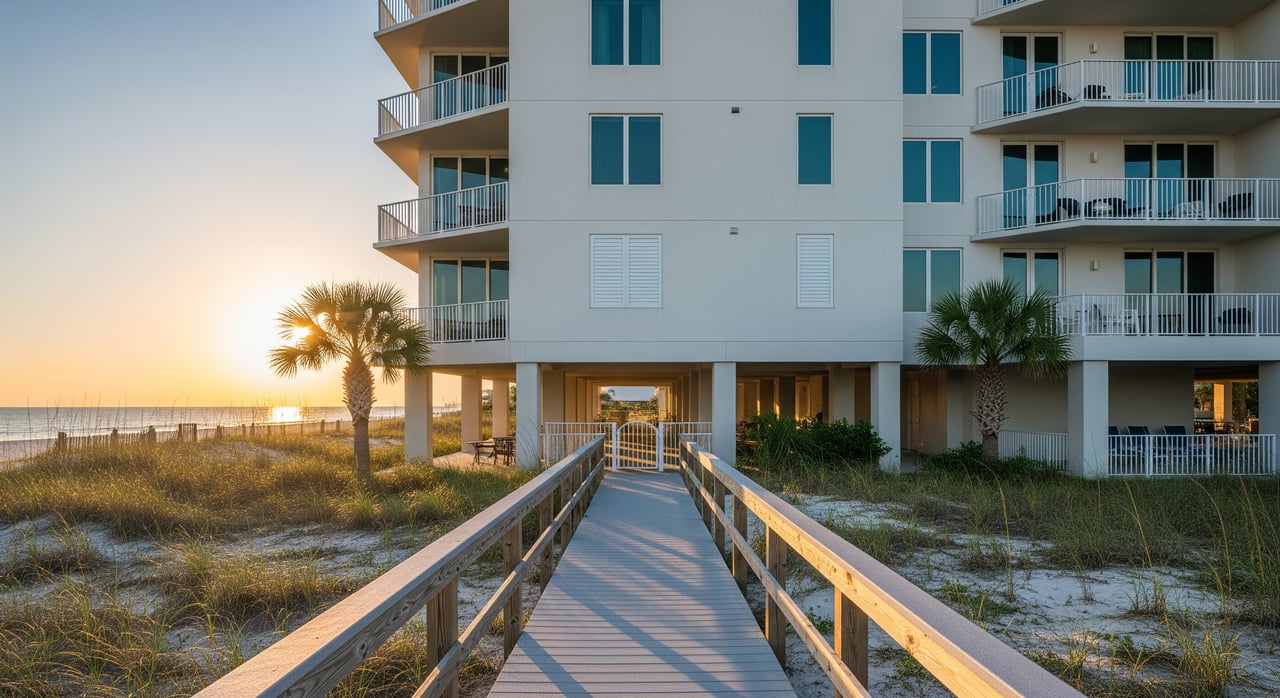
The island skews heavily to condos, but each property type follows its own playbook.
Market behavior
- Condos: More numerous and often have lower entry prices, but association fees and assessments affect total cost.
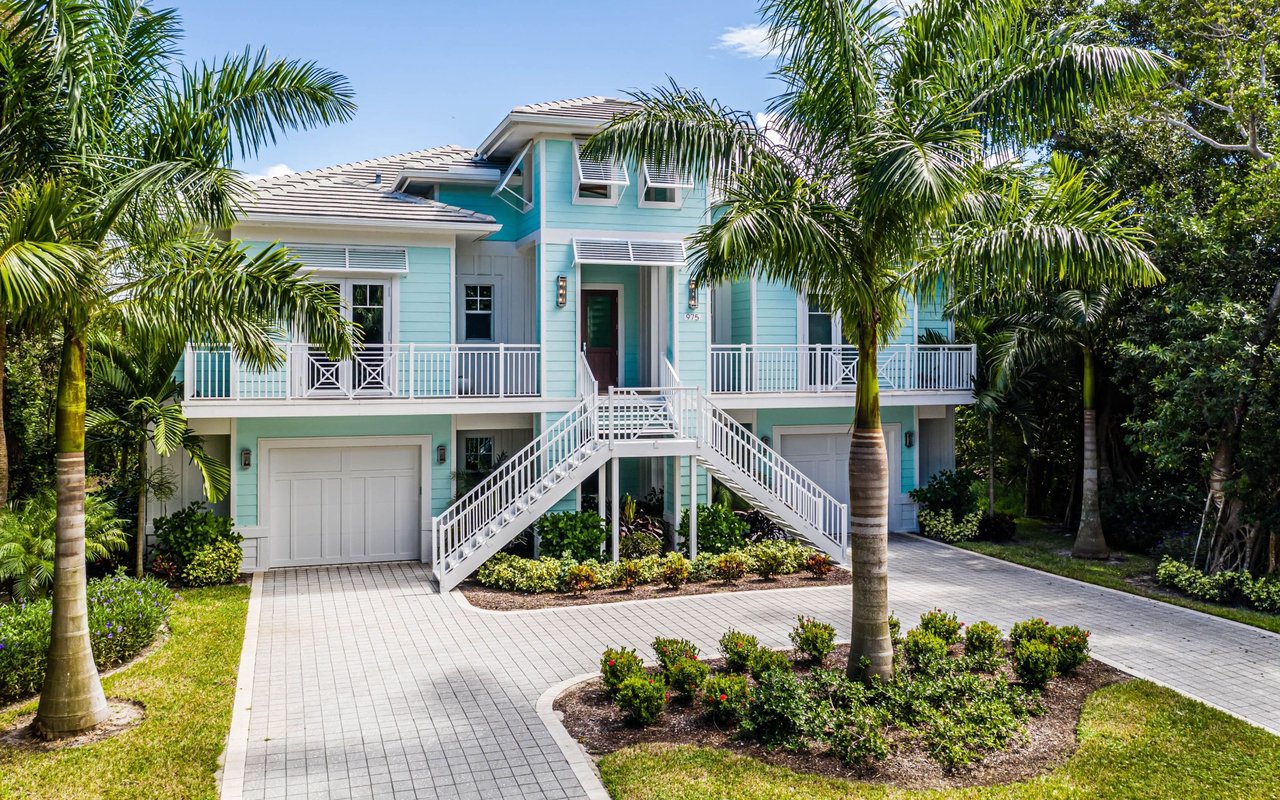
- Single‑family homes: Rarer and often command premiums for land, privacy, and beach access. One high‑value sale can shift short‑term price metrics.
Financing and insurance
- Condo loans may require project approvals and stricter underwriting. Lenders can limit the share of rentals within a project.
- Most mortgaged properties in mapped flood zones require flood insurance. Expect lenders to request proof of coverage.
- Cash purchases are common for investor and vacation‑oriented deals.
Association fees, assessments, and rental rules
- For condos, HOA dues typically cover building insurance and common areas. Owners still maintain contents and, in some cases, separate flood coverage.
- Special assessments can arise for major building projects like roofs, parking structures, or seawalls. Carefully review finances and reserve studies.
- Short‑term rentals are often regulated by the association with minimum stay rules, registration, or on‑site management requirements.
Valuation tips
- Compare like with like: same building, view, line, floor, and amenity set for condos; similar elevation, shoreline improvements, upgrades, and proximity to the Gulf for single‑family.
- Weigh rental history and operating expenses alongside recent comps when pricing investor‑oriented properties.
Due‑diligence checklist
- Review HOA documents: budgets, reserves, insurance certificates, rental policies, pending assessments, and any litigation.
- Confirm FEMA flood zone and request elevation certificates if available.
- Obtain wind and flood insurance estimates early.
- Ask for rental performance history and a summary of major repairs or capital projects.
- Verify recent building or seawall improvements and planned projects.
Risk and costs to model
Coastal properties deliver a premium lifestyle, but they also carry specific risks and costs that can affect financing and resale.
Flooding and coastal hazards
- Pensacola Beach is low‑lying and exposed to storm surge and tidal flooding. Flood zone designations influence insurance costs and lending.
- Sea level rise and recurrent flooding are long‑term considerations that can affect insurability and future value.
Wind and hurricane exposure
- Florida’s building codes and wind‑borne debris standards shape premiums and repair costs.
- Wind mitigation features such as hurricane‑rated openings and roof tie‑downs can reduce premiums. Ask for existing inspection reports and certificates.
Insurance landscape
- Coastal insurers can tighten underwriting in Florida, and the state’s backstop option may be more expensive.
- Flood insurance is typically required in mapped zones for financed purchases, with private alternatives available in some cases.
- Always factor insurance availability and cost into affordability and offer strategy.
Taxes, fees, and STR compliance
- Property taxes depend on Escambia County millage rates and assessed values, which can change year to year.
- Transient rental taxes and local registration apply to short‑term rentals. Build these into your net yield model.
Permitting and rebuild timelines
- Coastal construction permitting includes county and state oversight and can be more complex than inland projects.
- After major storms, permitting backlogs can extend repair and rebuild timelines.
Appraisal and valuation
- Limited comps, unique features, and STR income can complicate appraisals. Lenders may request rental history and additional documentation.
- Expect appraisals to be more conservative when comps are thin or the market is cooling.
What to watch each month
Use this simple dashboard to track the island’s direction without overreacting to a single spike.
- 3 to 6‑month median sale price, split by condos and single‑family.
- Months of supply as a rolling average, plus the direction of change.
- Active listings vs. pending sales to read momentum.
- Average days on market and list‑to‑sale price ratio for demand strength.
- For investors, seasonal occupancy and booking pace.
Practical steps for buyers
- Clarify your goal: primary, second home, or STR investment.
- Get pre‑approved, and discuss condo and waterfront underwriting upfront.
- Review association documents, reserve studies, insurance, and rental rules before you offer.
- Budget for HOA dues, wind and flood insurance, management fees, and seasonal maintenance.
- Verify flood zone and obtain insurance quotes early.
- Evaluate prices using type‑specific comps and rolling stats rather than single‑month medians.
Practical steps for sellers
- Time your listing for late winter or early spring to meet spring and summer demand, balancing against any planned summer bookings.
- Prepare a complete disclosure package: HOA docs, insurance certificates, assessment notices, and recent improvements.
- Highlight coastal value drivers: elevation, seawall condition, hurricane‑ready upgrades, and verified rental history for investor appeal.
- Price using condo‑specific or SFR‑specific comps and consider offering recent insurance quotes to streamline buyer diligence.
Where to check current numbers
For the most current transaction counts and property details, rely on the local MLS covering the Pensacola area. Verify assessed values and tax details with Escambia County offices. For flood zones and insurance guidance, consult FEMA flood maps and qualified insurance brokers. State and national housing reports can provide quick snapshots, but always confirm island‑level data against the MLS due to small‑sample volatility.
Your next step
If you want a clear, current read on Pensacola Beach trends, ask for a side‑by‑side look at condos vs. single‑family, plus an insurance and HOA review before you make a move. Our team can prepare rolling stats, comp sets, and a tailored timing plan that fits your goals.
Ready to align your timing with the market and protect your bottom line? Request a Complimentary Market Evaluation from The Mark Lee Team to get a customized plan for buying or selling on Pensacola Beach.
FAQs
How volatile are Pensacola Beach prices compared to the mainland?
- The island has fewer monthly sales and more vacation properties, so single high‑value closings can move medians. Use 3 to 6‑month rolling figures and separate condos from single‑family.
What is the best time to list a Pensacola Beach property?
- Late winter or early spring often captures spring and summer demand, but if you depend on summer bookings, weigh lost rental income against potential price premiums.
How should I compare condos to decide value?
- Match building to building, view line, floor level, and amenities, then weigh HOA dues, reserves, any assessments, and verified rental history.
Why is condo financing sometimes harder on the island?
- Lenders review project‑level factors such as rental ratios, reserves, and building status, which can add requirements beyond your personal credit profile.
How do flood and wind insurance affect affordability?
- Many financed properties require flood insurance, and coastal wind coverage can be a significant expense. Obtain quotes early to set a realistic budget.
Do most condo associations allow short‑term rentals?
- Rules vary by association. Many permit STRs with restrictions like minimum stays or registration. Always confirm in the condo documents before you offer.
What should investors track beyond price?
- Seasonal occupancy, booking pace, management costs, and local tax and registration requirements, plus association rules that govern rentals.
What data should I ask my agent for before making an offer?
- Rolling medians by property type, months of supply, actives vs. pendings, days on market, list‑to‑sale ratios, and for STRs, verified rental performance and operating costs.