Wondering if you can get more space, better function, and updated finishes without giving up Cordova Park? You are not alone. Many homeowners in this part of Pensacola reach a point where the current house no longer fits the way they live, but the neighborhood still does. This guide walks you through what a smart move-up can look like in Cordova Park, what the local market is showing, and how to plan your next step with confidence. Let’s dive in.
Why Cordova Park Fits Long-Term Plans
Cordova Park has the kind of setup that often supports staying in place even as your housing needs change. A City of Pensacola outreach notice describes the neighborhood area as south of Summit Boulevard, north of Bayou Boulevard, east of 12th Avenue, and west of McClellan Road. Within that footprint, you also have nearby community spaces that add day-to-day convenience and outdoor options.
At Cordova Square, you will find a gazebo or pavilion, picnic areas, and playground equipment. The city also notes that Dunwoody Park includes baseball and softball space, basketball, picnic areas, playground equipment, swings, and walking paths or trails. For many buyers and sellers, those amenities are part of why moving up within Cordova Park feels more appealing than leaving it.
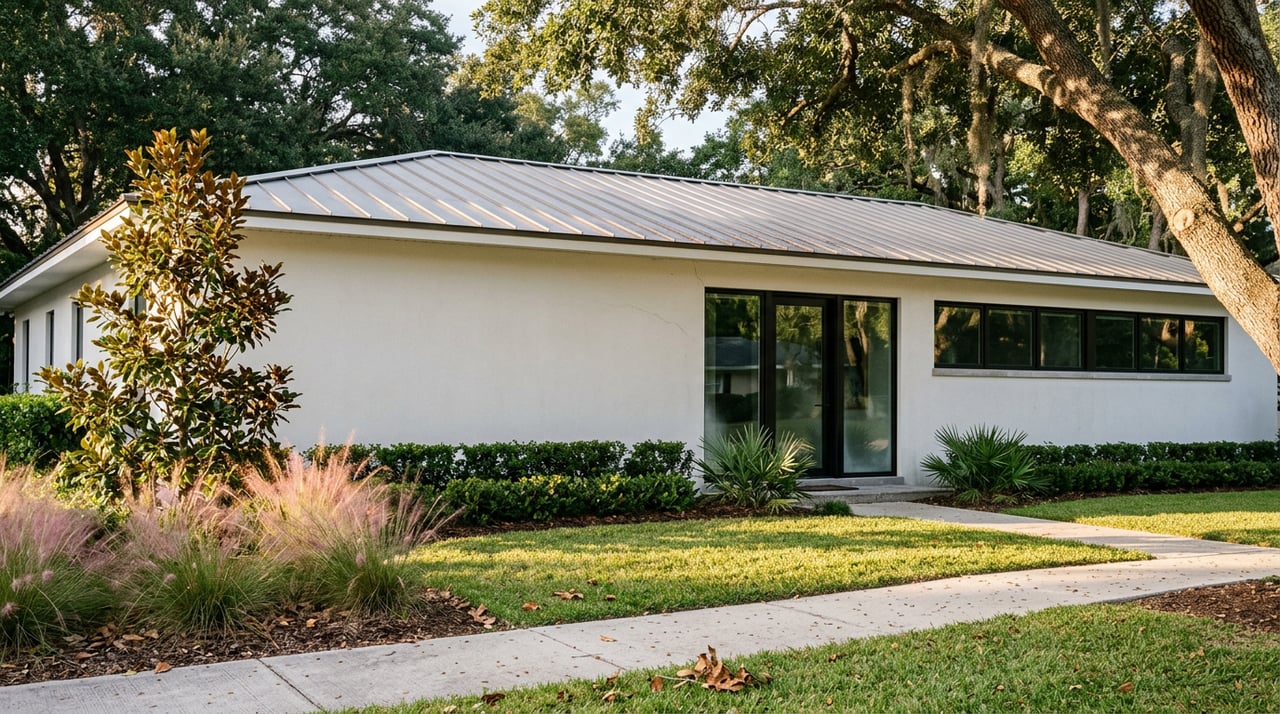
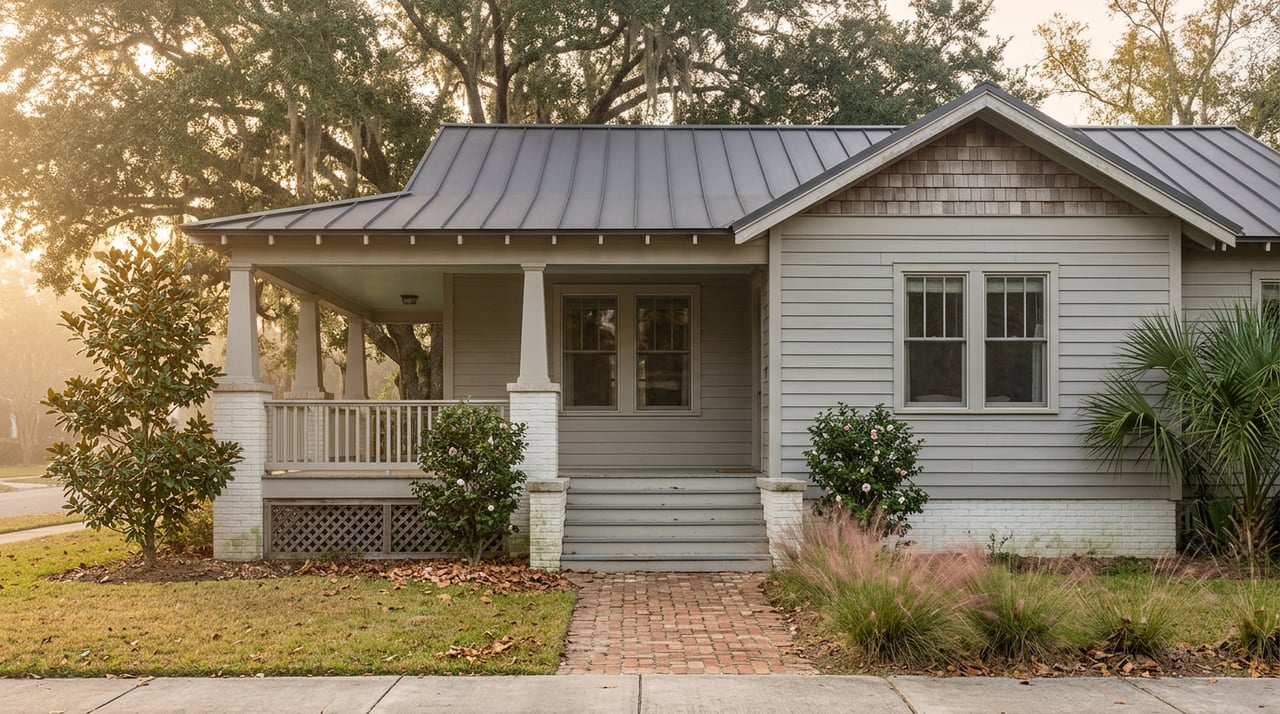
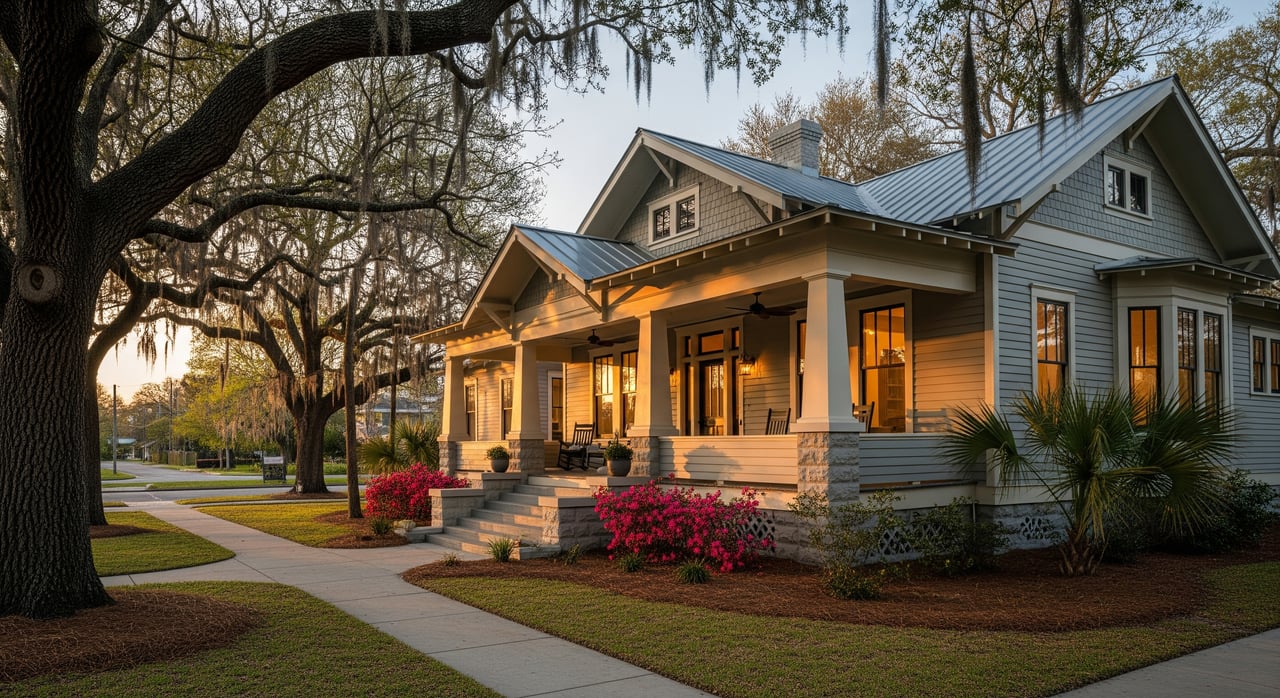
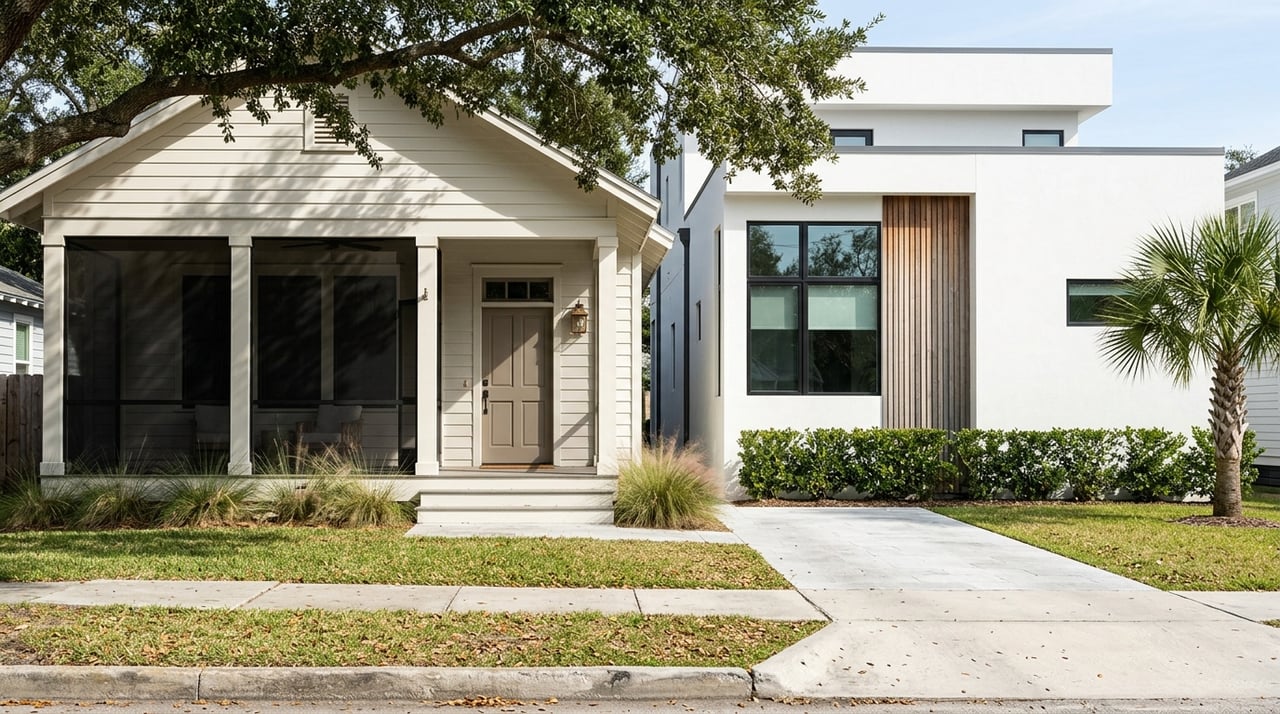
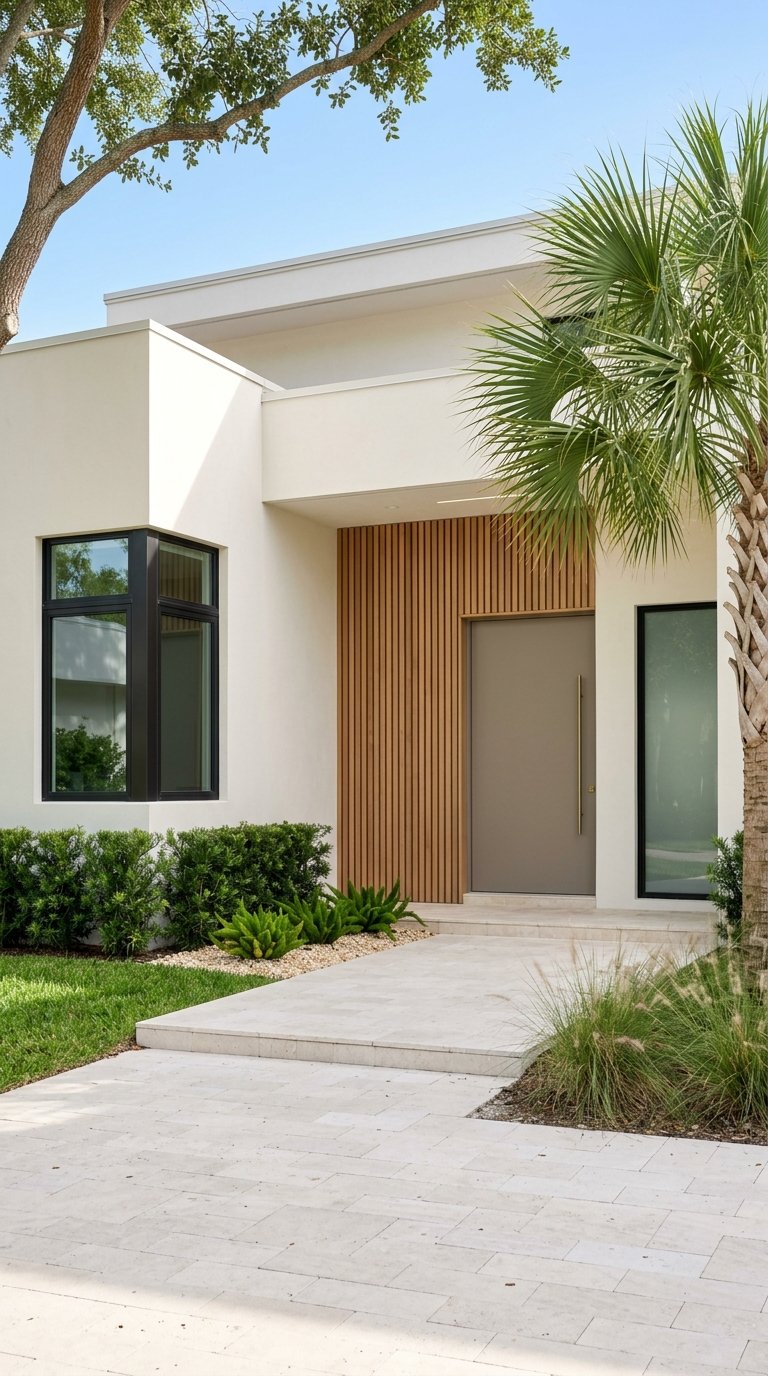
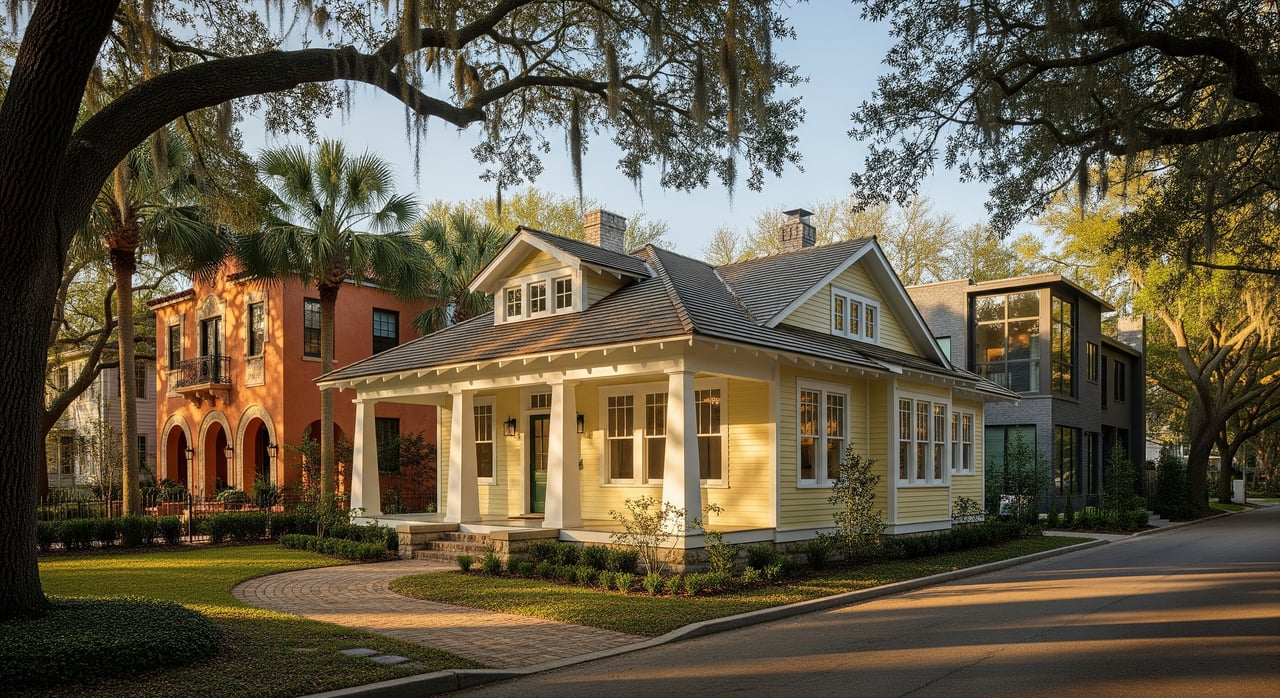
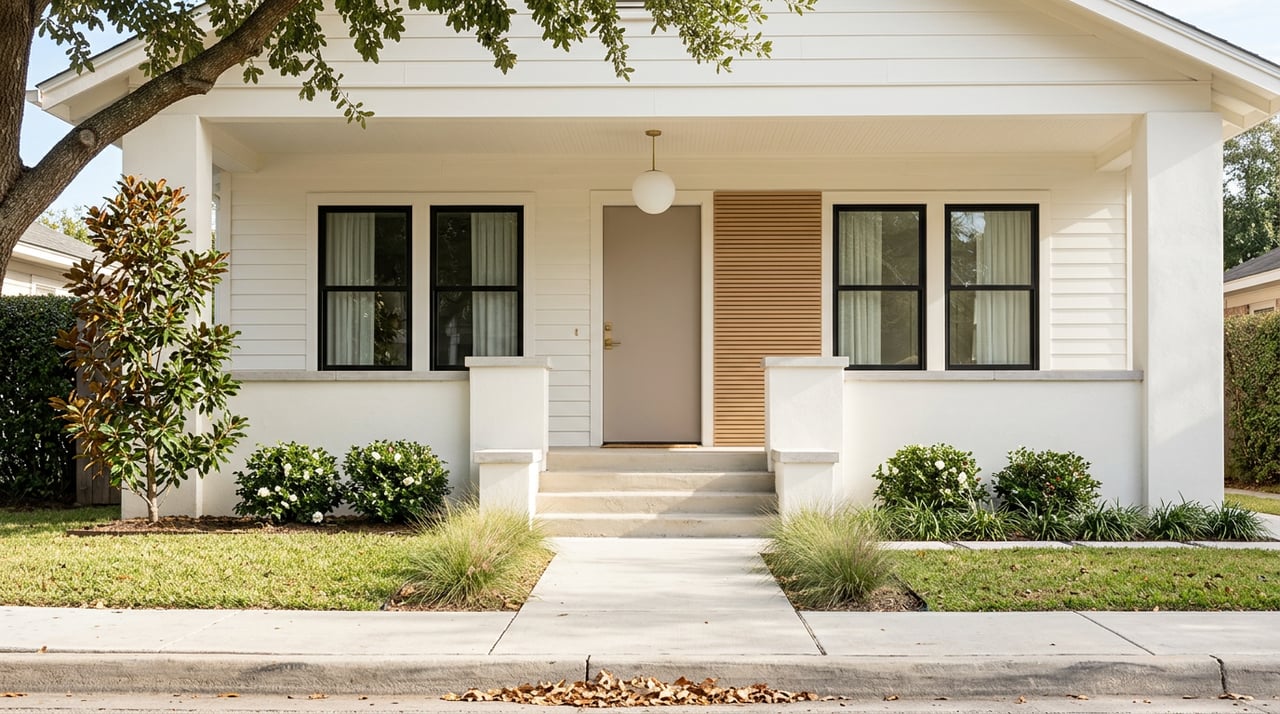
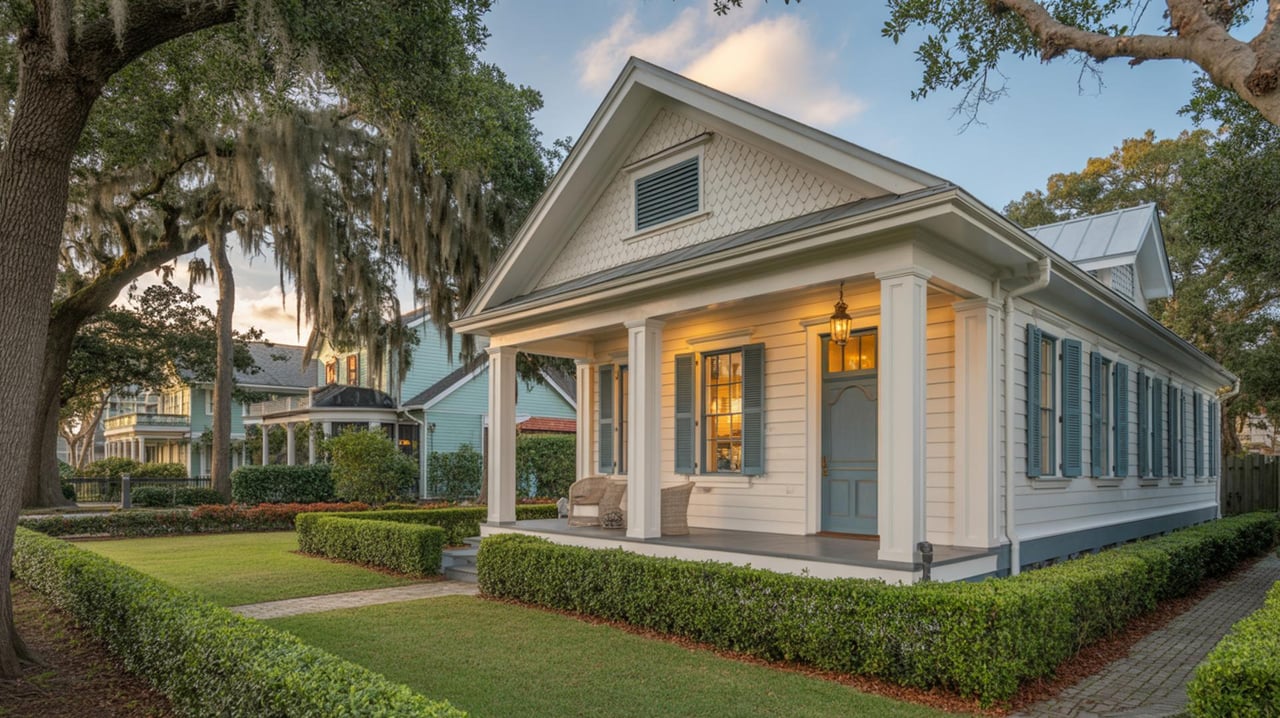
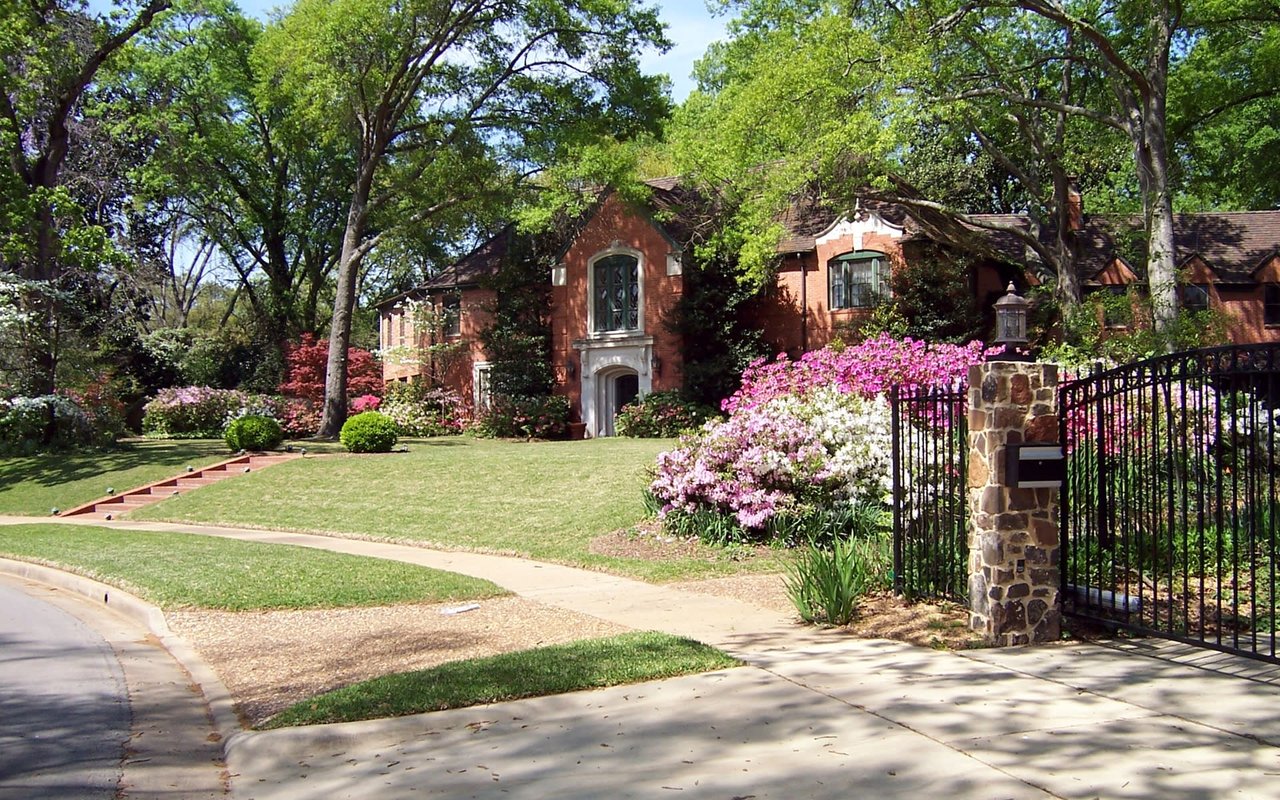
The neighborhood also offers a housing stock with variety. A University of Florida survey of Florida postwar housing describes Cordova Park as a postwar suburban development where most homes were built in the 1960s and 1970s, with some construction continuing into the 1980s. That same survey notes an architecturally mixed inventory, including ranch homes as well as Tudor, Colonial Revival, and mid-century modern influences.
Cordova Park Market Snapshot
If you are thinking about moving up, pricing matters just as much as lifestyle. Recent reporting suggests Cordova Park often sells at a premium compared with the broader area. According to Redfin’s February 2026 neighborhood market data, the median sale price was $388,000 with 84 median days on market.
Another source, Realtor.com’s January 2026 neighborhood data, reported a median home sale price of $450,000 and 80 median days on market. Both figures sit above Redfin’s February 2026 Pensacola median of $375,000 and Escambia County’s $300,000. The exact numbers differ because the platforms use different methods, but the larger takeaway is consistent: Cordova Park tends to command strong interest and solid pricing within the local market.
What a Move-Up Home Looks Like Here
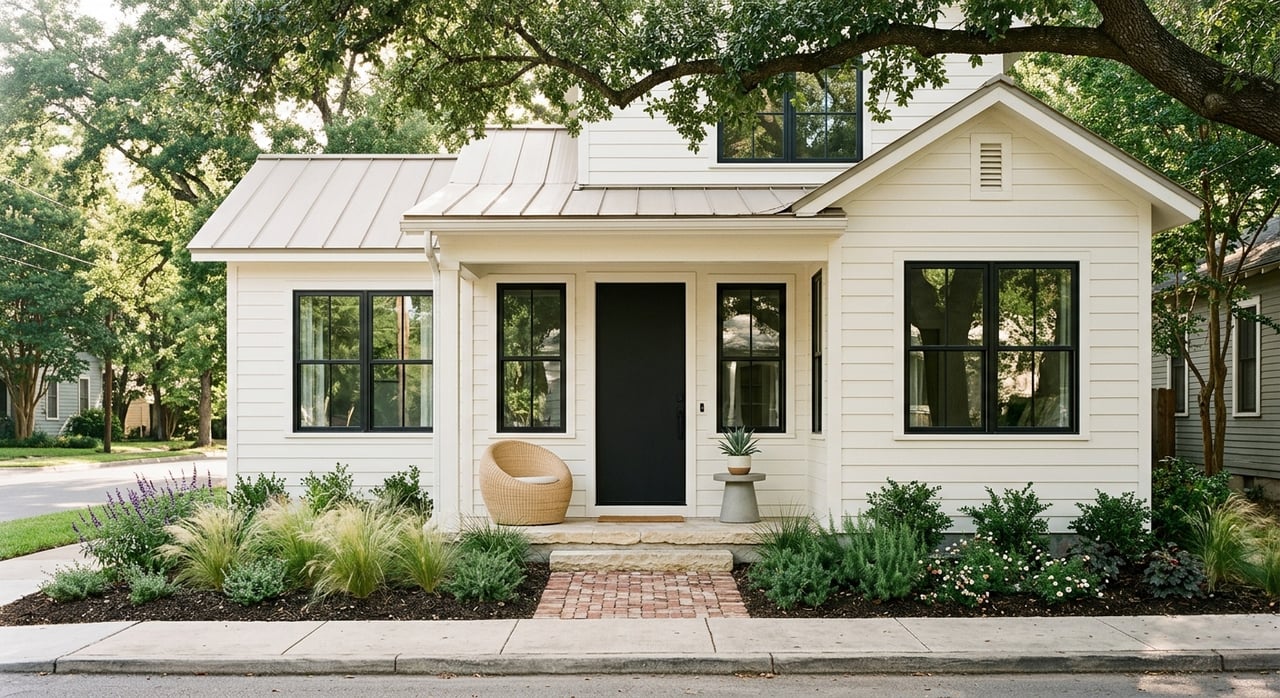
In Cordova Park, a move-up does not always mean moving far. In many cases, it means upgrading your square footage, layout, storage, or finish level while staying in the same neighborhood. That is one of the more appealing parts of this market.
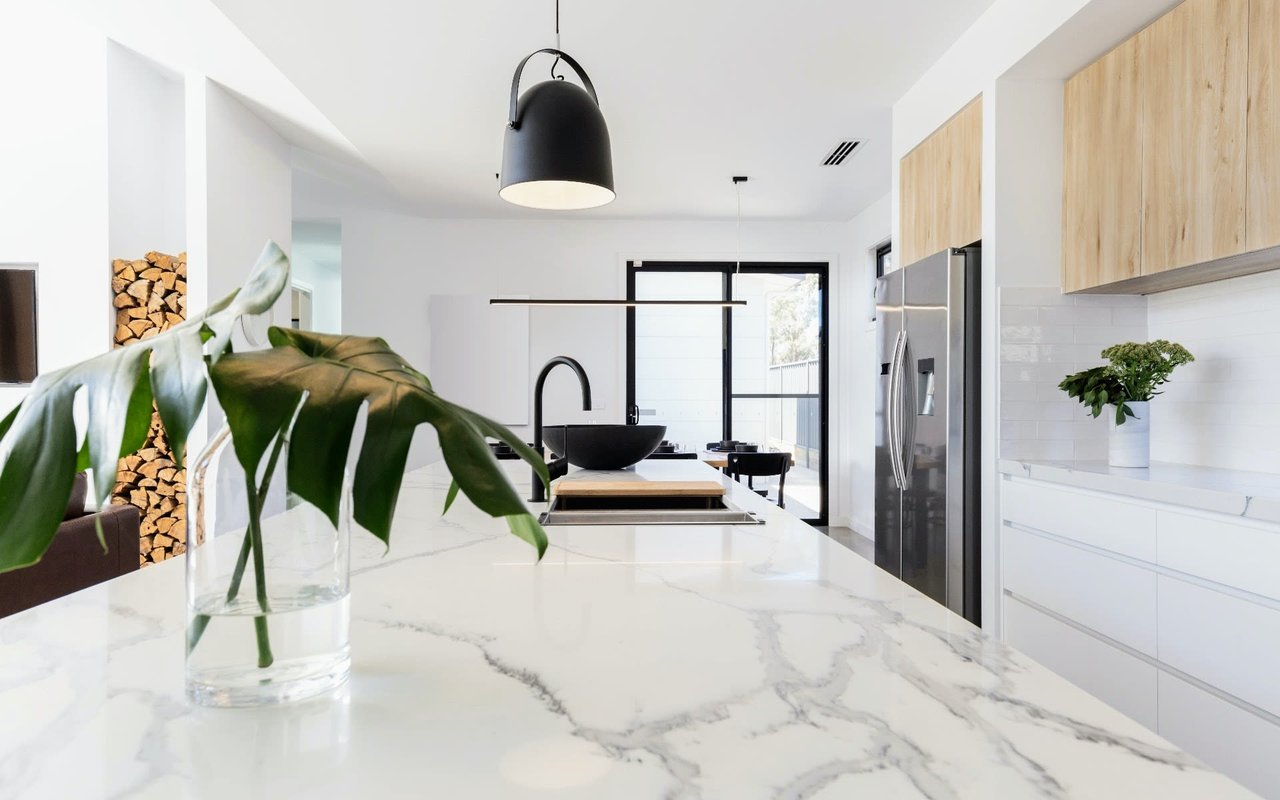
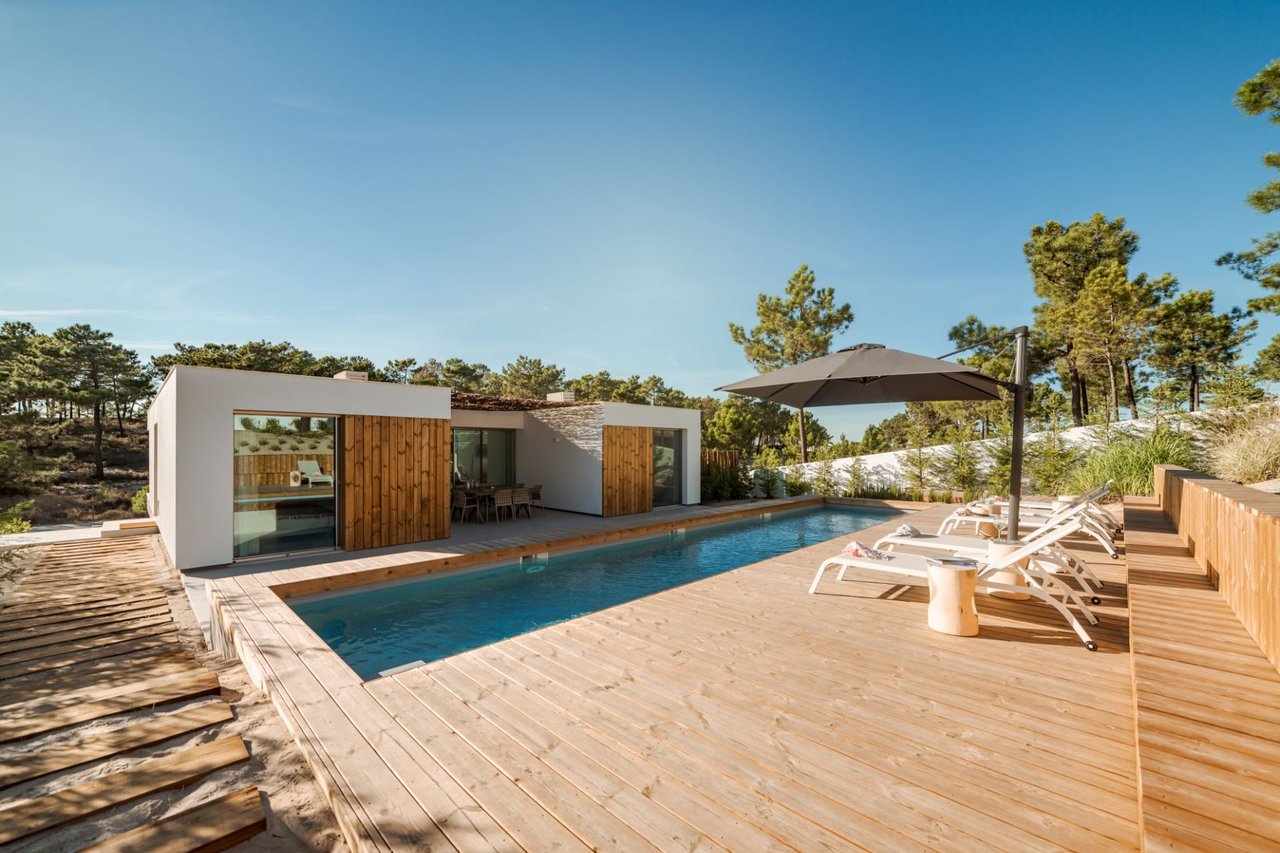
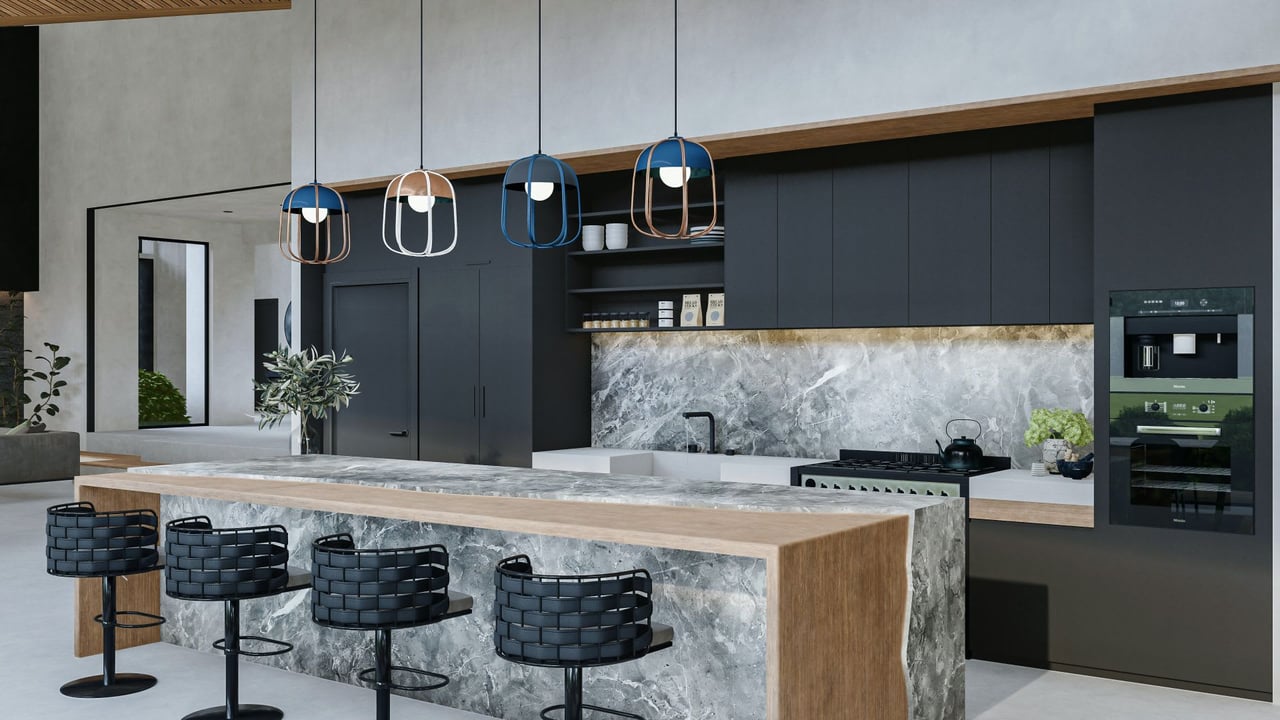
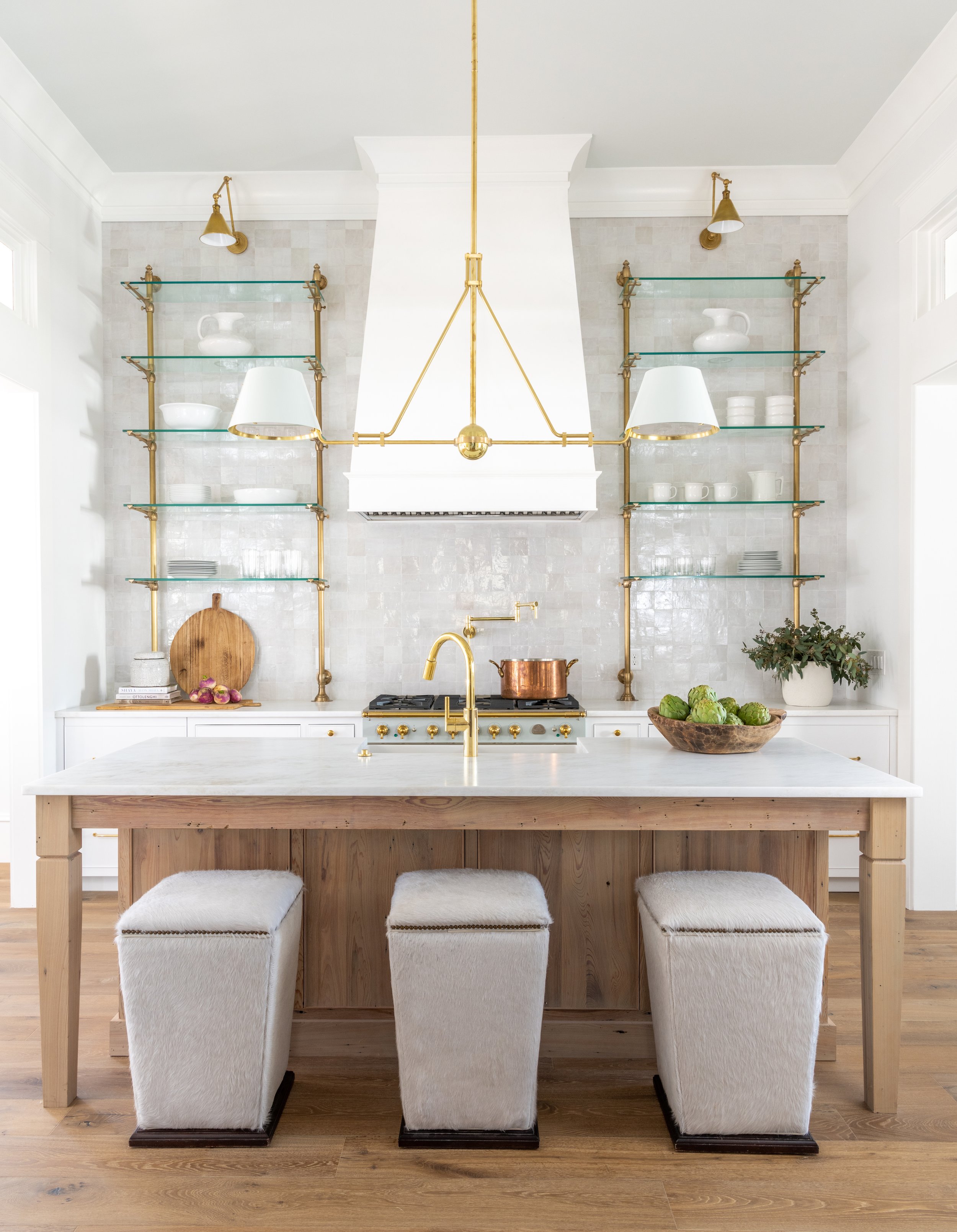
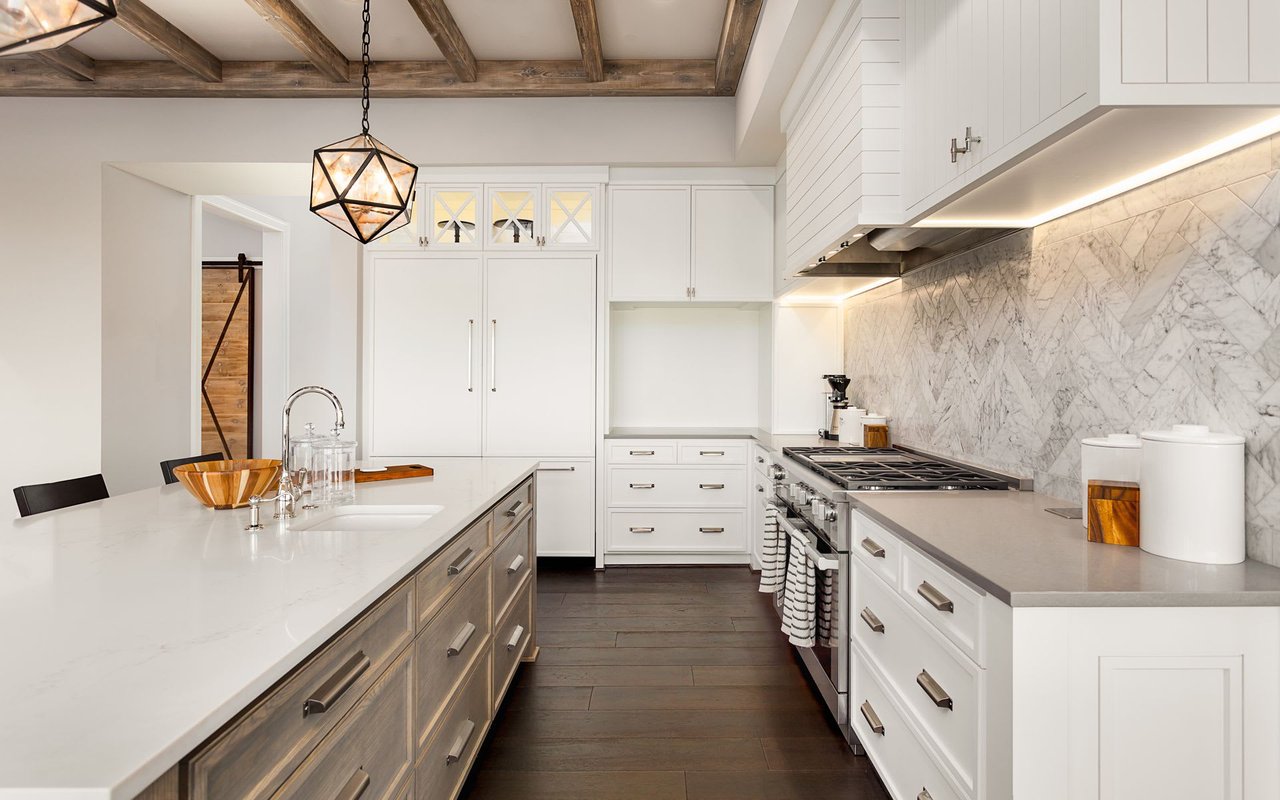
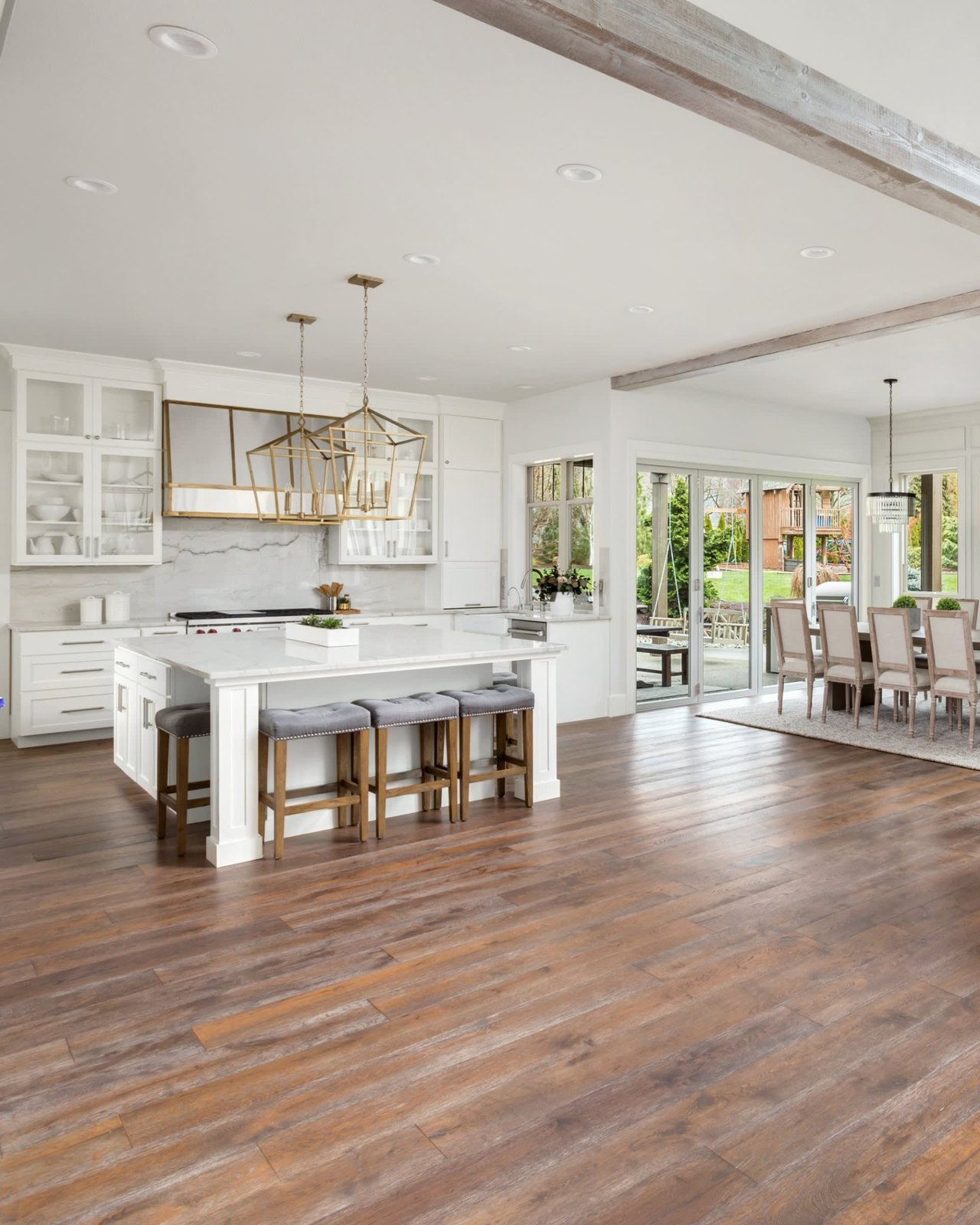
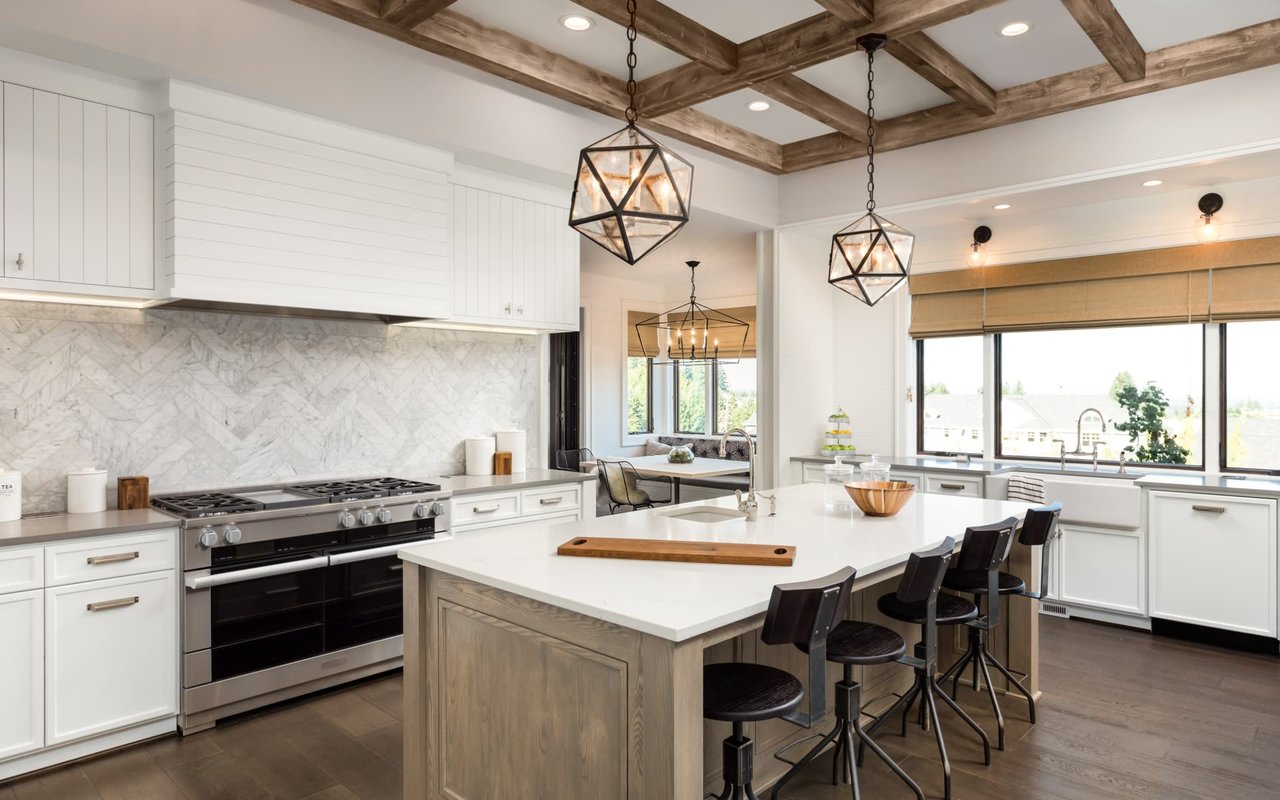
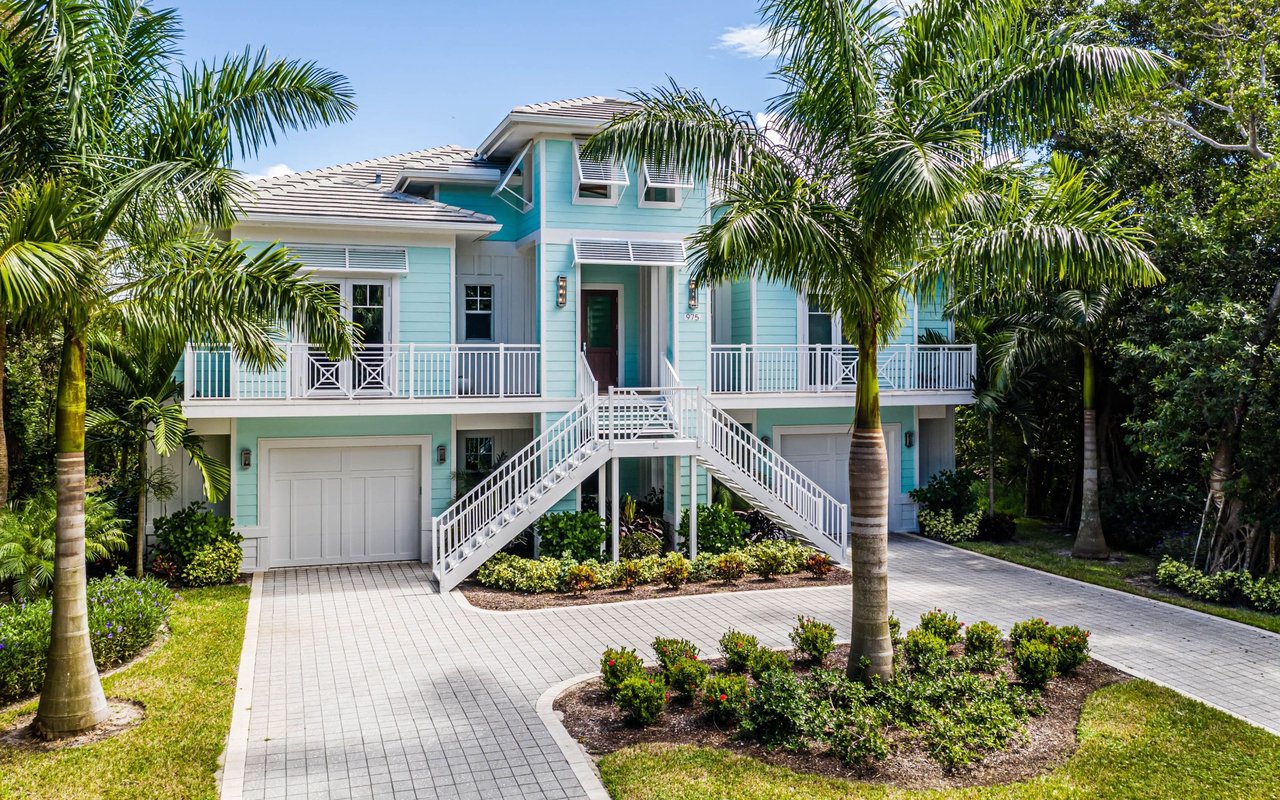
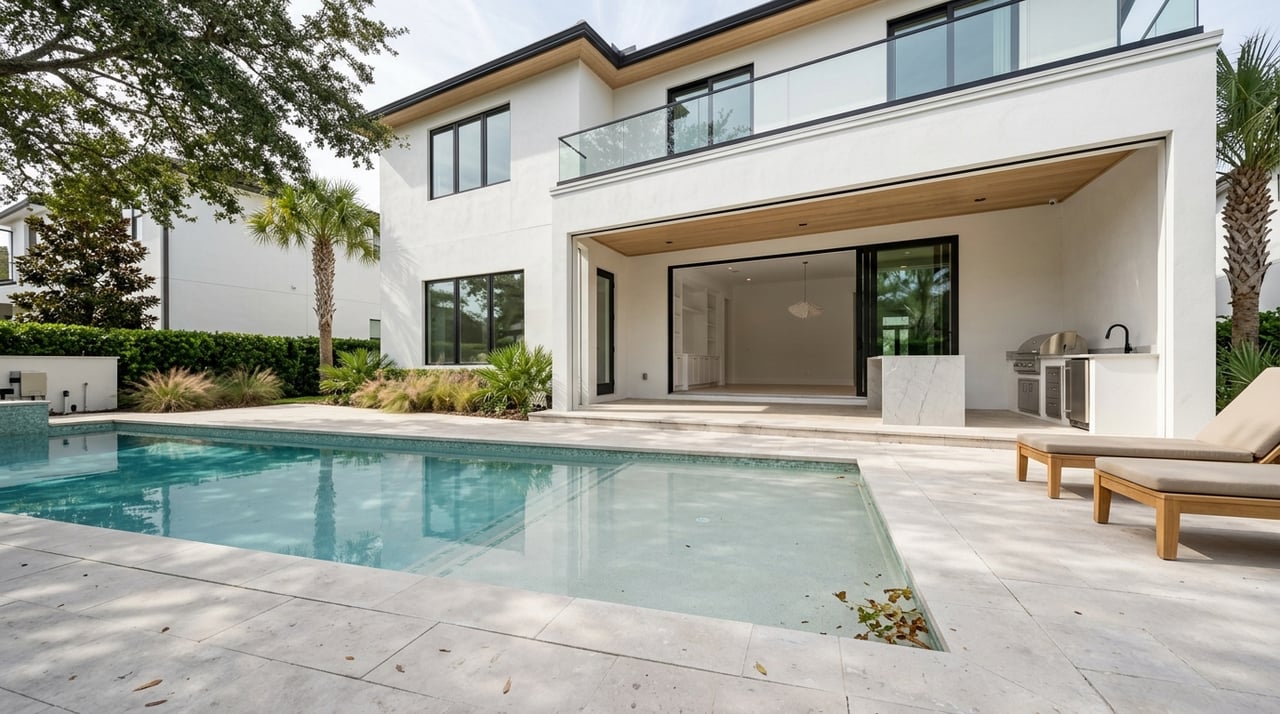
Recent sales highlighted by Redfin’s Cordova Park sold listings show a wide range of homes, from about 1,625 square feet to more than 4,200 square feet. Those homes include 3 to 6 bedrooms and often feature pools, updated kitchens, fenced yards, accessory buildings, new roofs, and newer HVAC systems.
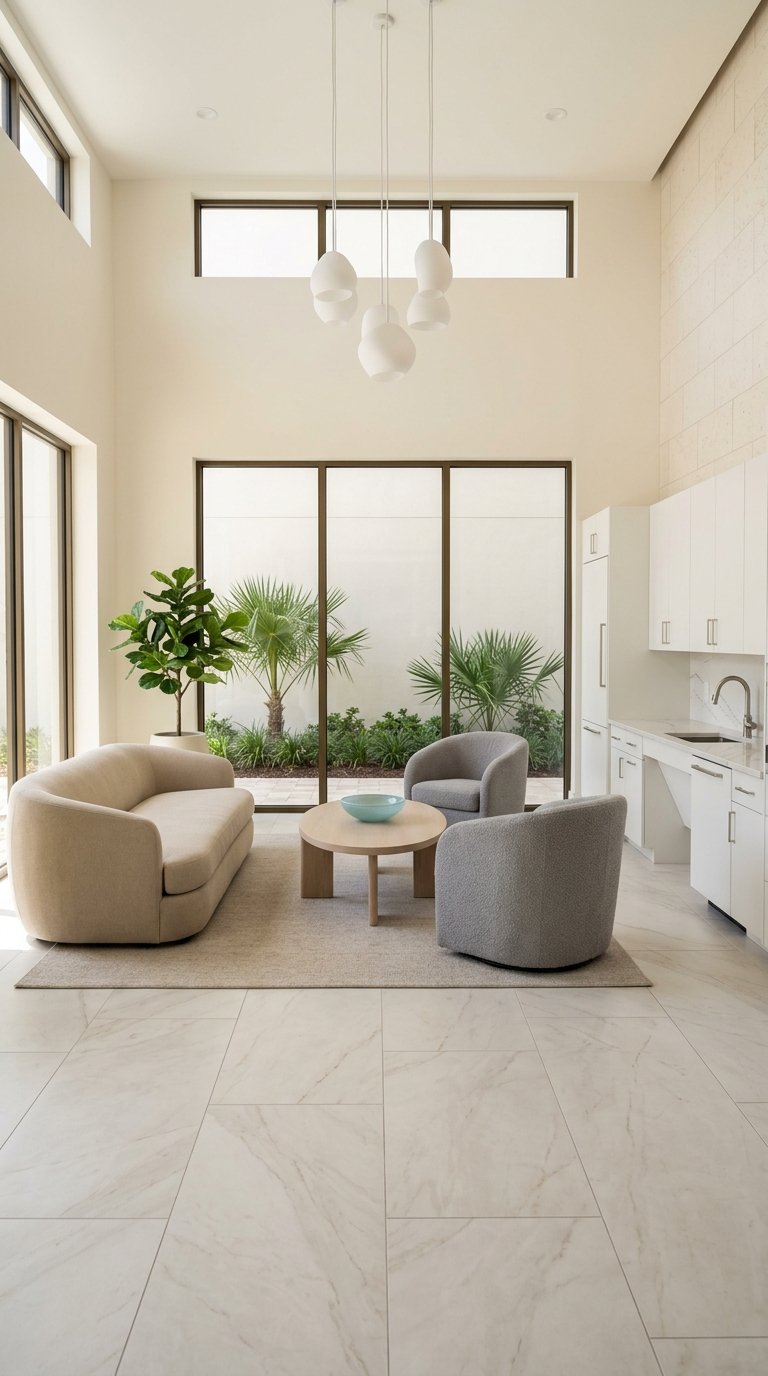
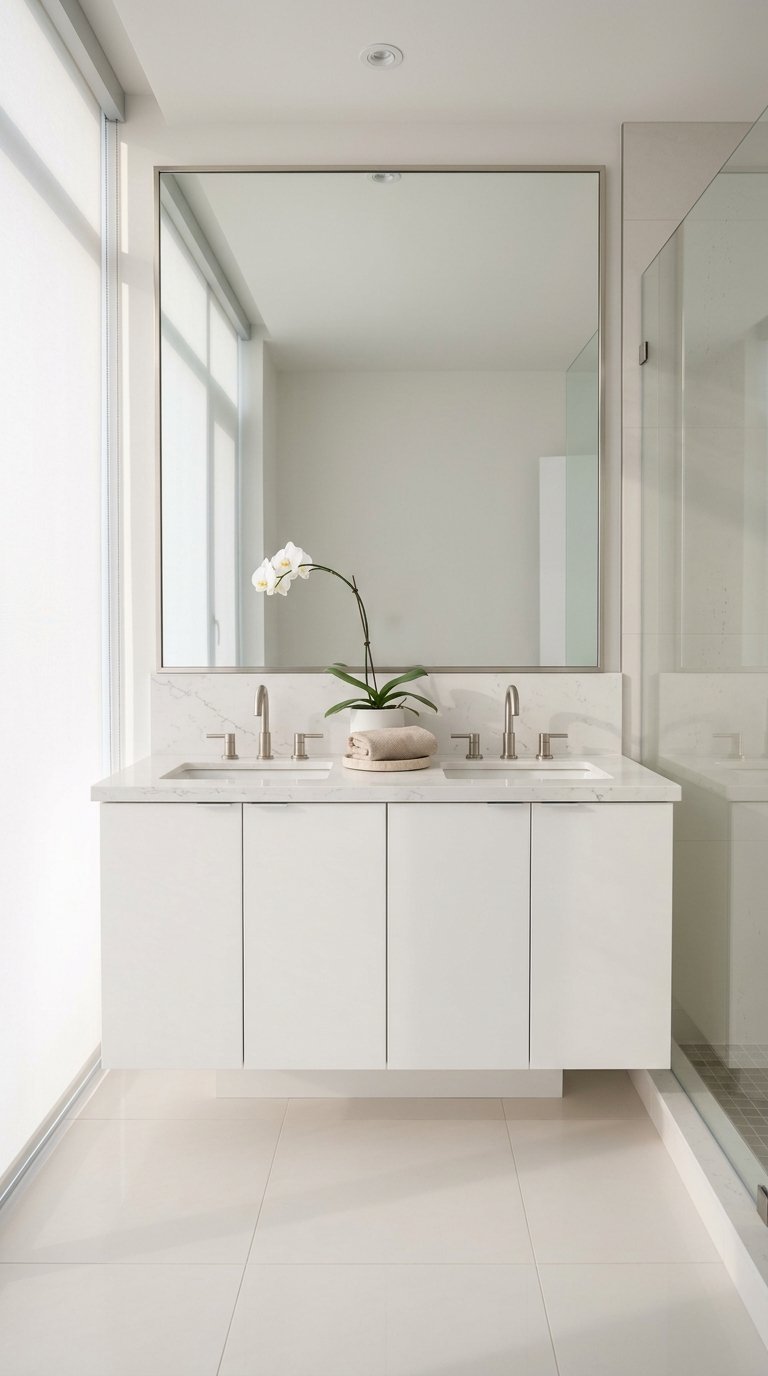
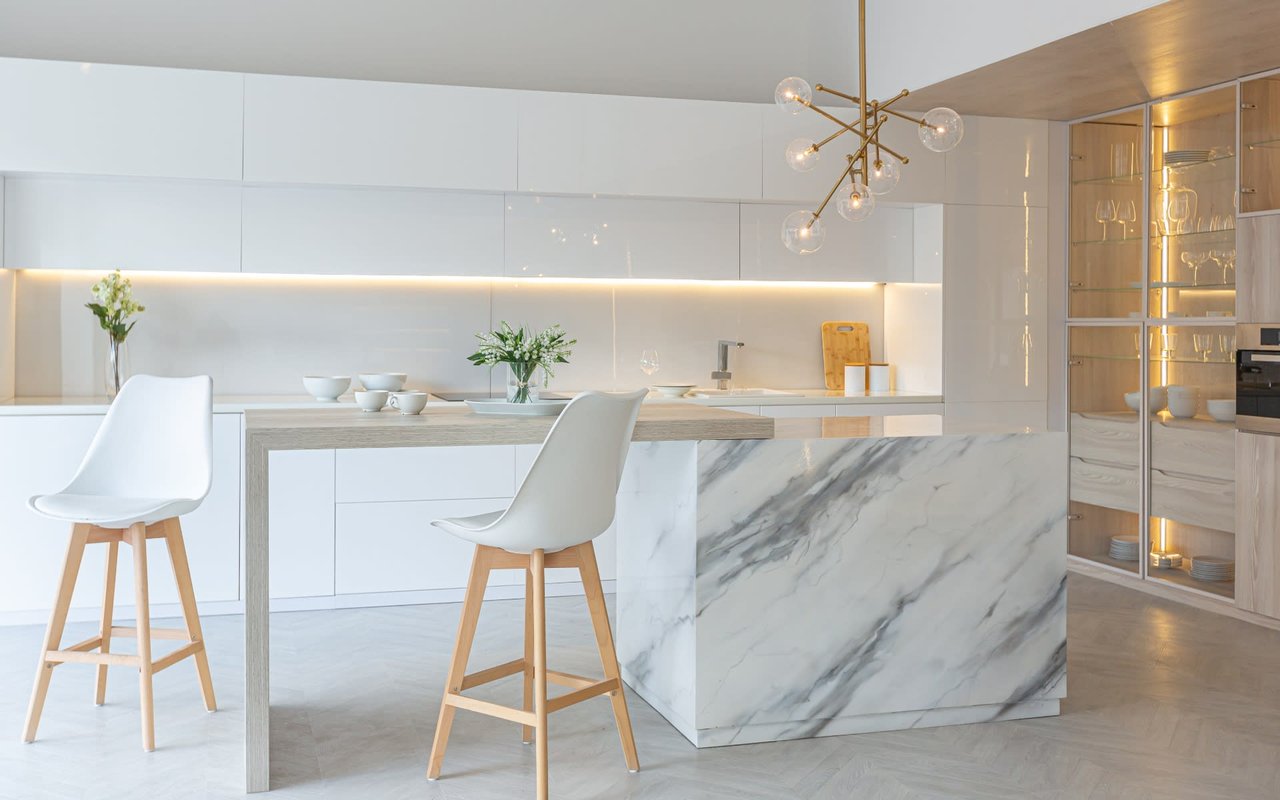
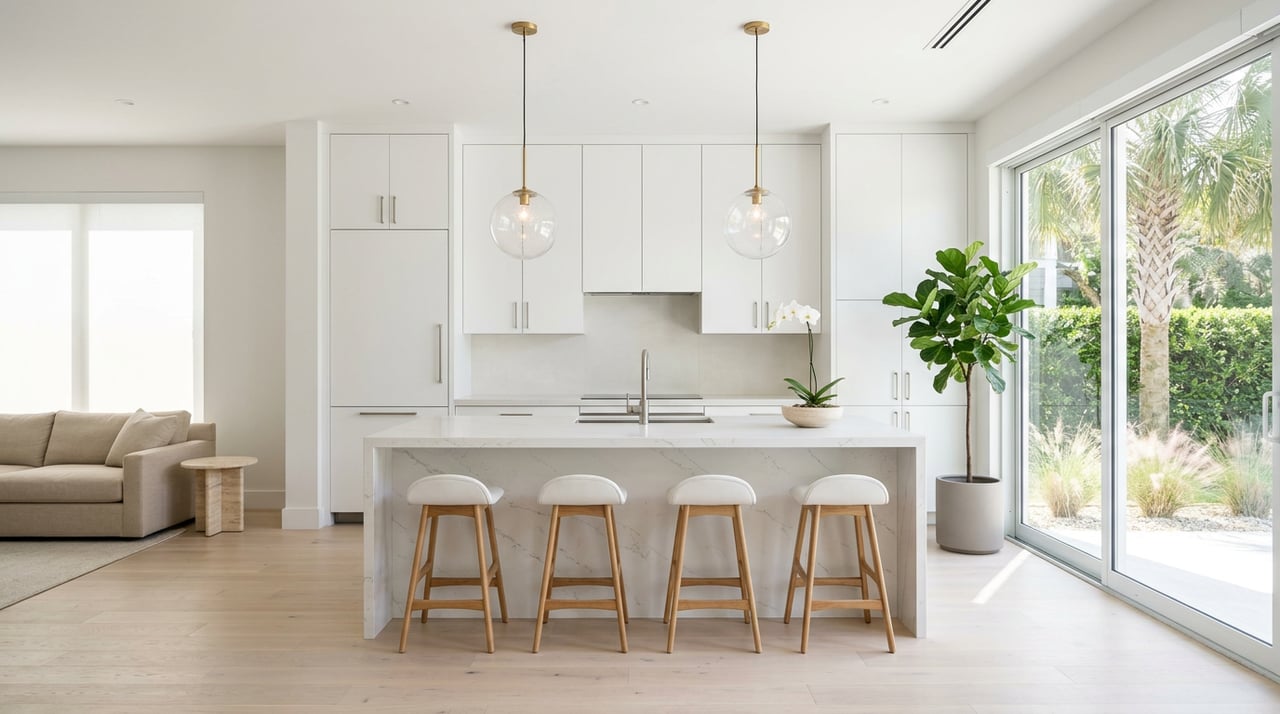
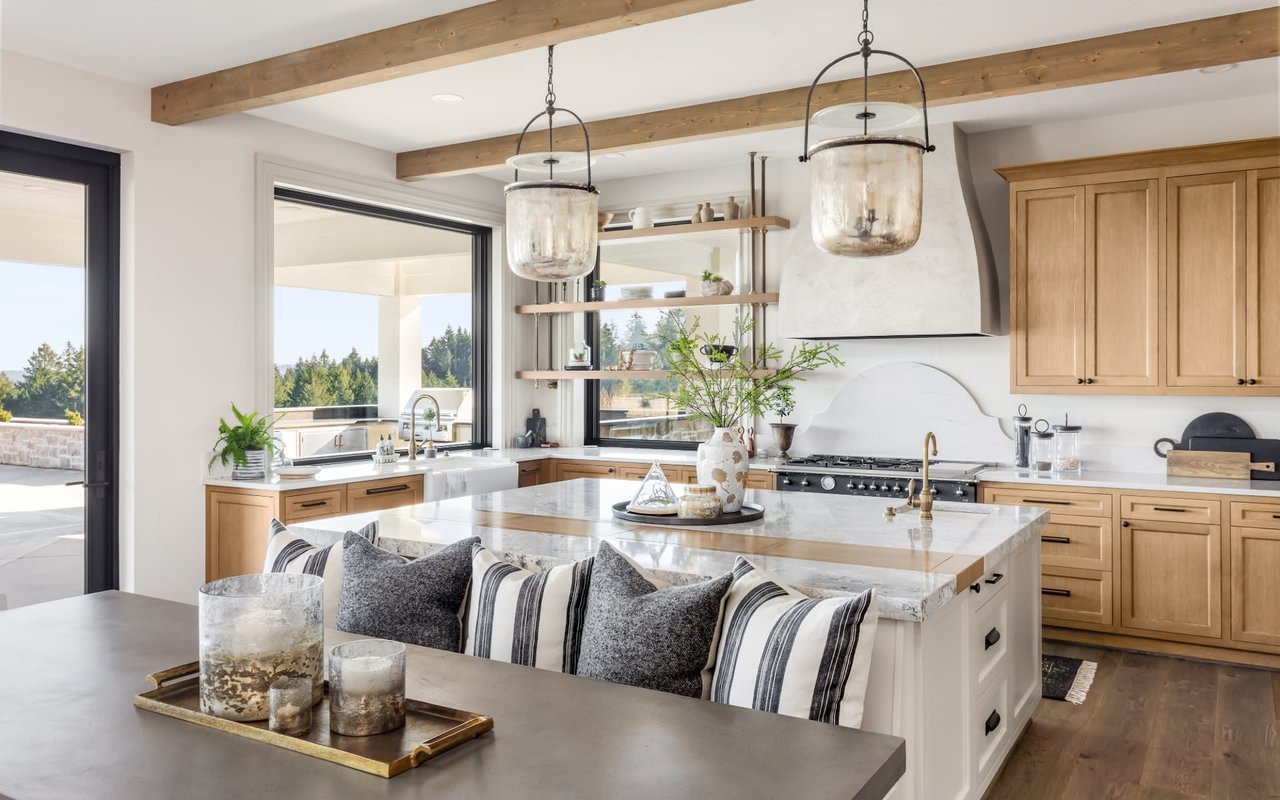
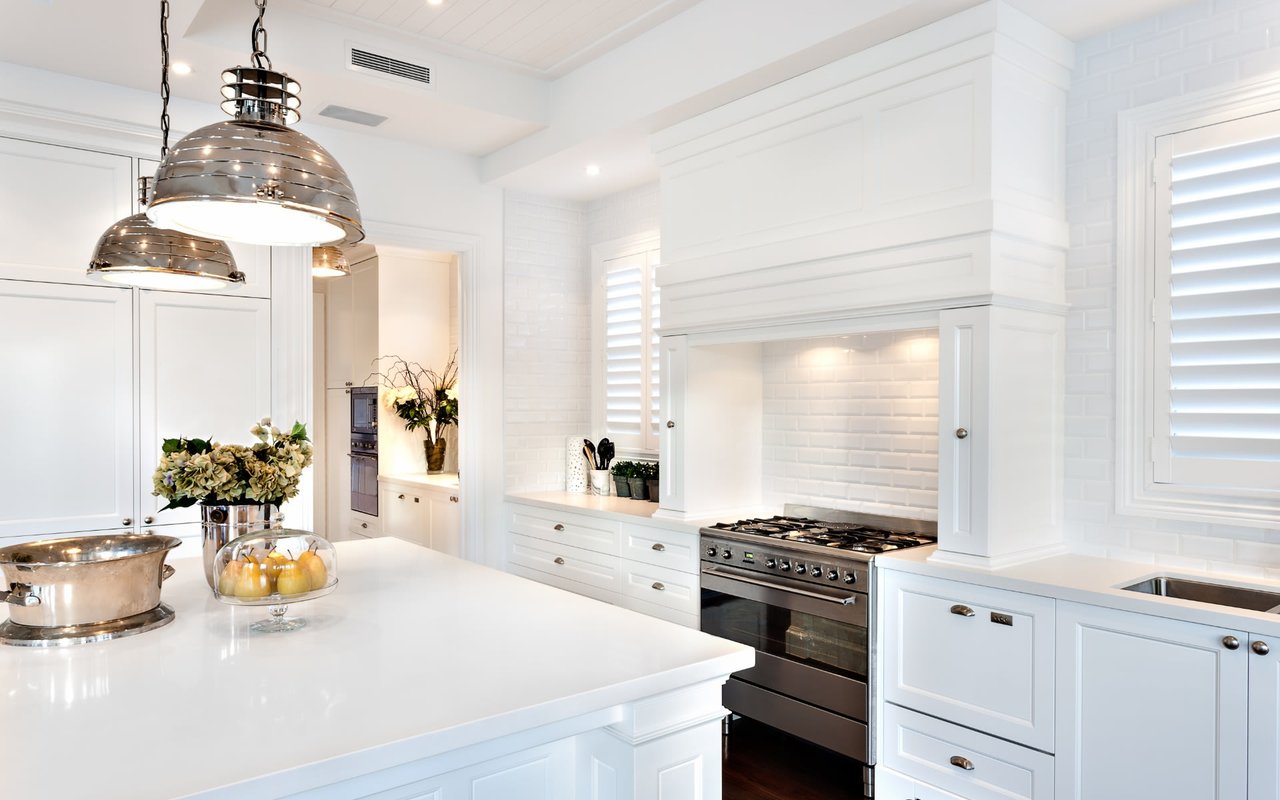
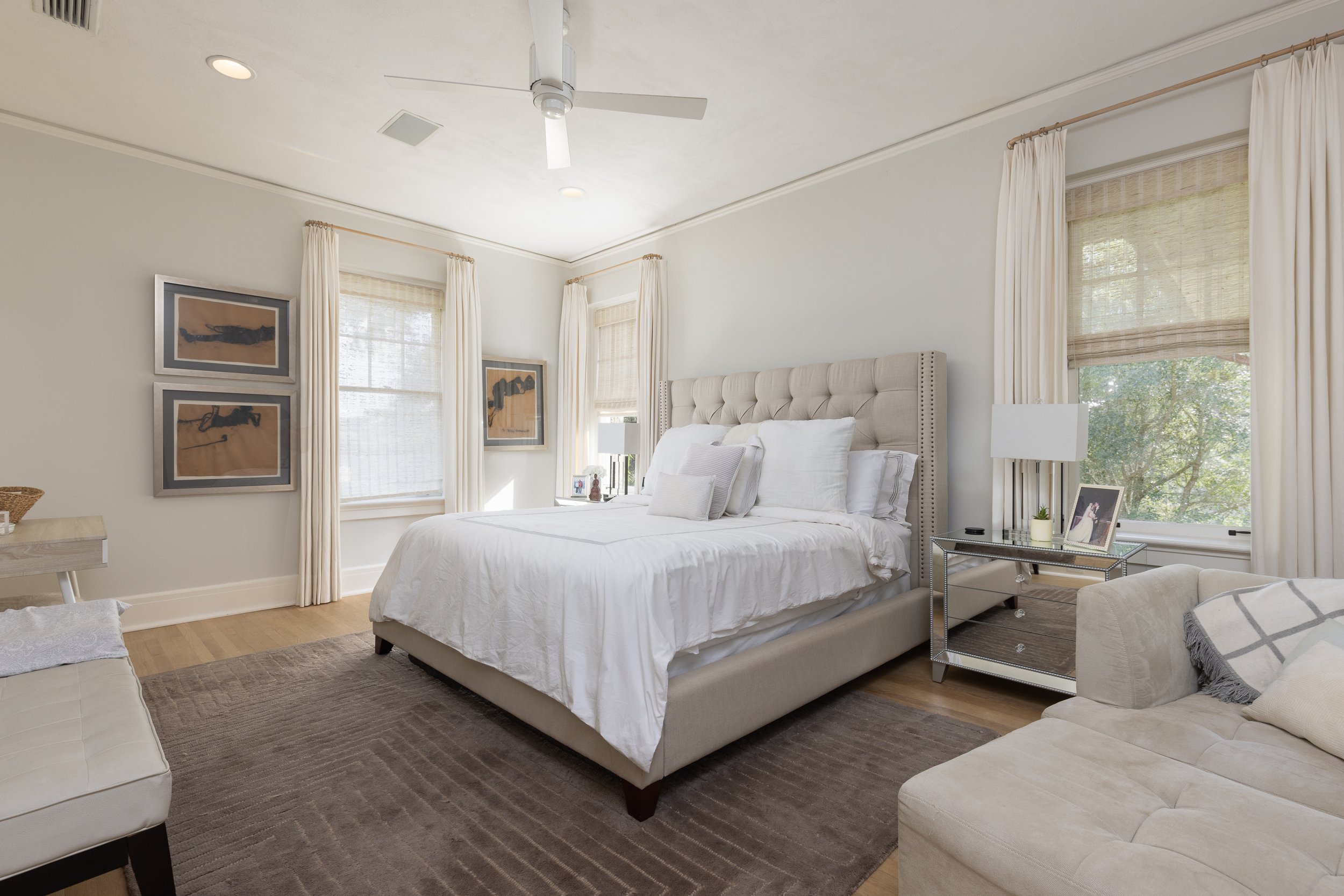
For you, that usually means the next step is less about leaving starter-home life behind and more about dialing in how you want to live. You may be looking for a larger single-family home, a more comfortable primary suite, a better kitchen layout, extra storage, a detached workshop or garage, or outdoor features that make the property more useful year-round.
Streets That Often Surface Options
Recent sales activity has clustered on streets such as:
- Copley Drive
- Baisden Road
- Firestone Boulevard
- Bonner Road
- Dunwoody Drive
- Dupont Drive
- Hallmark Drive
- Morningside Drive
- Woodbine Drive
That does not mean every move-up opportunity appears on these streets, but it does provide a practical starting point when you want to watch for larger or more updated homes.
How to Decide If Moving Up Makes Sense
Before you start touring homes, it helps to answer one core question: how much more house can you comfortably afford while staying in Cordova Park? The best answer starts with your current home’s likely sale price and your estimated net proceeds.
The Consumer Financial Protection Bureau says buyers often try to sell their current home before buying another one. The CFPB also notes that closing costs typically run about 2% to 5% of the purchase price, separate from the down payment. That makes your planning numbers more complex than simply subtracting your mortgage payoff from the expected sale price.
A useful move-up worksheet should include:
- Estimated sale price of your current home
- Mortgage payoff amount
- Agent commissions
- Seller closing costs
- Repair or prep costs
- Potential buyer concessions
- Down payment target for the next home
- Purchase closing costs for the next home
When you lay out those numbers early, you get a clearer picture of what price range feels realistic and what kind of monthly payment still supports your goals.
A Safer Sale-and-Buy Sequence
A strong move-up plan usually starts with preparation, not urgency. In a neighborhood with older housing stock and a limited number of available homes, the sequence matters. The smoother your plan, the more options you tend to preserve.
A practical approach for Cordova Park looks like this:
- Price and prepare your current home using recent neighborhood sales.
- Get your financing plan in place early.
- Decide whether selling first or buying first fits your reserves and comfort level.
- Budget for repairs, credits, or inspection-related negotiations on either side of the transaction.
This matters in Cordova Park because many homes date to the 1960s through 1980s, according to the University of Florida survey. Older homes can offer character, larger lots, and established settings, but they can also bring aging systems or deferred updates into the conversation during inspections.
When Equity Becomes Part of the Plan
Some homeowners need access to equity before their current home closes. The CFPB explains that a home equity line of credit, or HELOC, is an open-end line of credit that allows repeated borrowing against available equity. The CFPB also warns that you should use it only if you can comfortably manage the payments, since your home secures that debt.
That does not mean a HELOC is right for everyone. It simply means that if your move-up plan depends on accessing equity, you should explore that option early and weigh the risk carefully with your lender.
Timing Gaps Are Real
One of the biggest stress points in a move-up is the gap between selling one home and closing on the next. In Cordova Park, that challenge deserves extra attention. Realtor.com’s neighborhood overview currently shows no rental listings in Cordova Park and only a modest number of homes for sale.
In plain terms, you should not treat a timing gap as a rare possibility. It is smarter to plan for one. If your sale closes before your purchase, you may need temporary housing outside the neighborhood or a backup plan for storage and short-term logistics.
Don’t Leave Insurance Until the End
In a coastal market, insurance quotes should be part of your early due diligence. FEMA states that flood insurance is separate from homeowners insurance and that most homeowners policies do not cover flood damage. FEMA also notes that National Flood Insurance Program policies usually have a 30-day waiting period before they take effect, unless an exception applies.
That waiting period can affect timing and budgeting, especially if the home you want requires flood coverage tied to financing. Getting quotes early helps you avoid surprises and gives you a more accurate picture of the full monthly cost of ownership.
Upgrades That Matter Before You Sell
If you plan to sell your current Cordova Park home before buying again, not every project deserves your time or money. In this neighborhood, buyers often respond to updates that improve function and reduce future maintenance questions. Based on the recent sales mix, kitchens, baths, roofs, HVAC systems, storage, and outdoor usability can all play a meaningful role in how a home competes.
That does not mean you need a full renovation. Often, the smarter strategy is to identify improvements that support presentation, help justify pricing, and reduce friction during inspections. The right prep plan depends on your home’s current condition, competing inventory, and likely buyer expectations in your price range.
Why Staying in Cordova Park Appeals to Buyers
For many homeowners, the best part of moving up in Cordova Park is that you do not have to give up what already works. You can look for more bedrooms, a better floor plan, or updated finishes while keeping your connection to the neighborhood. That can make the transition feel less disruptive and more intentional.
The combination of established housing, architectural variety, neighborhood amenities, and pricing strength gives Cordova Park a practical long-term appeal. If your current home no longer fits your lifestyle, there is a good chance your next chapter may still belong in the same neighborhood, just in a home that supports you better.
If you are weighing whether to renovate, sell, or buy your next home in Cordova Park, the right guidance can make the path much clearer. The Mark Lee Team offers concierge-level support backed by deep Pensacola market knowledge, thoughtful strategy, and polished execution at every step.
FAQs
What is a move-up home in Cordova Park?
- A move-up home in Cordova Park usually means a larger or more updated single-family home with features like extra bedrooms, improved storage, a better primary suite, a pool, or upgraded kitchens and baths.
How much do homes cost in Cordova Park compared with Pensacola?
- Recent market data in the research report shows Cordova Park median sale prices above the broader Pensacola and Escambia County medians, which suggests the neighborhood often sells at a premium.
Which Cordova Park streets often have larger homes?
- Recent sold listings cited in the research report include homes on Copley Drive, Baisden Road, Firestone Boulevard, Bonner Road, Dunwoody Drive, Dupont Drive, Hallmark Drive, Morningside Drive, and Woodbine Drive.
Should I sell my Cordova Park home before buying another one?
- The CFPB says buyers often try to sell their current home first, and that approach can help you better understand your net proceeds and budget before committing to the next purchase.
Why should Cordova Park buyers check flood insurance early?
- FEMA says flood insurance is separate from homeowners insurance, most homeowners policies do not cover flood damage, and NFIP policies usually have a 30-day waiting period before taking effect.
Are rentals easy to find in Cordova Park during a moving gap?
- Realtor.com’s neighborhood overview in the research report showed no rental listings in Cordova Park, so temporary housing may need to be found outside the neighborhood if your closing dates do not line up.