Buying a classic East Hill bungalow and itching to make it your own? Renovating in this Pensacola neighborhood is rewarding, but older homes and a local preservation overlay add steps you should plan for. In this guide, you’ll learn how East Hill’s history affects design choices, what to inspect first, how permitting works, and what timelines and budgets look like. You’ll also get a clear checklist to move from offer to successful remodel with confidence. Let’s dive in.
East Hill basics: history, lots, and flood
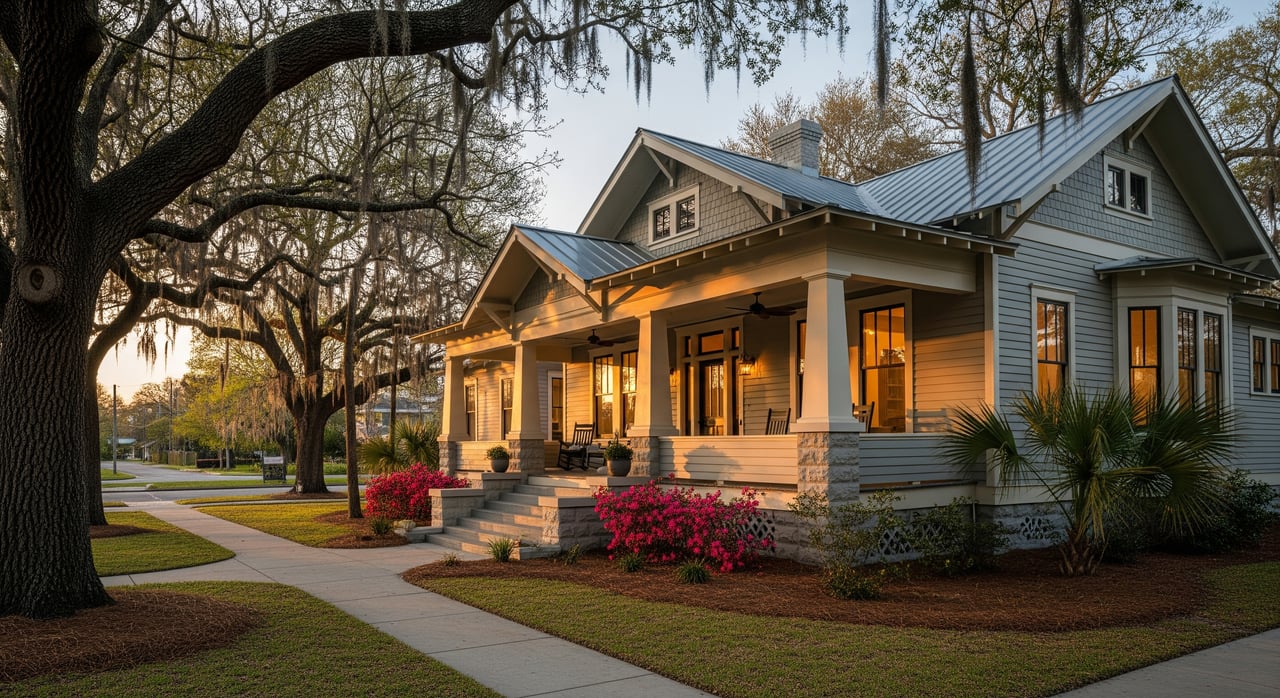
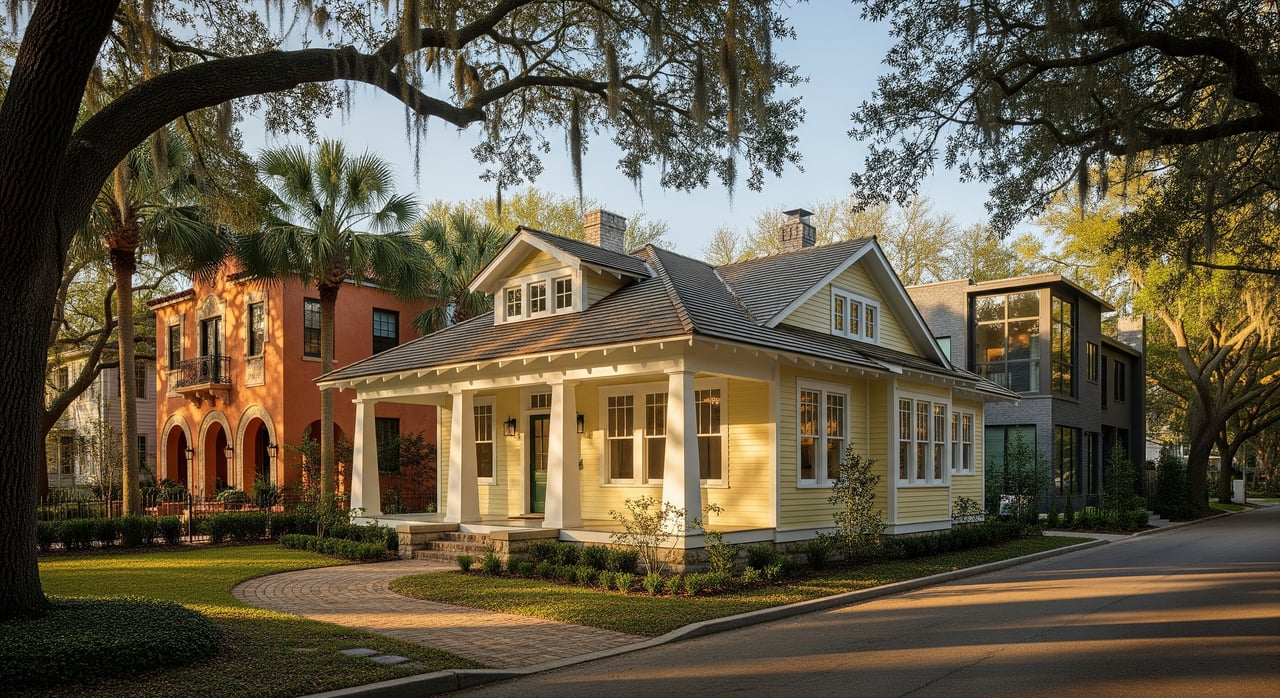
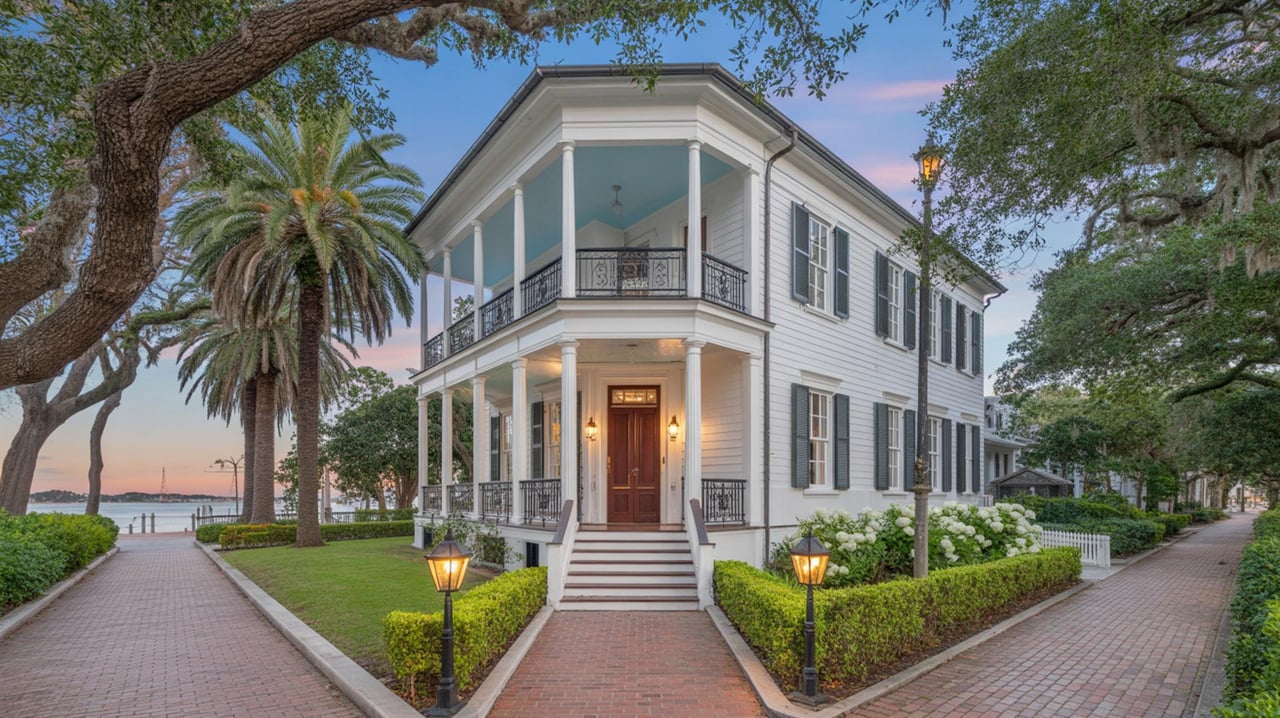
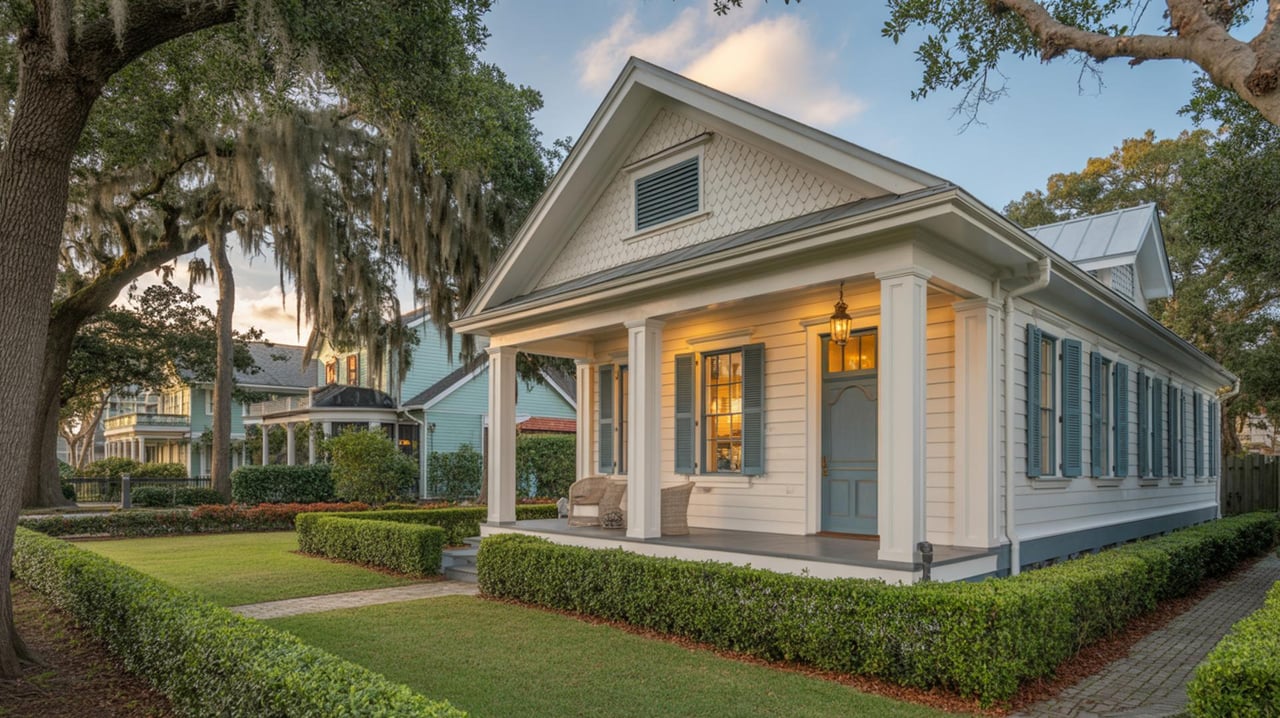
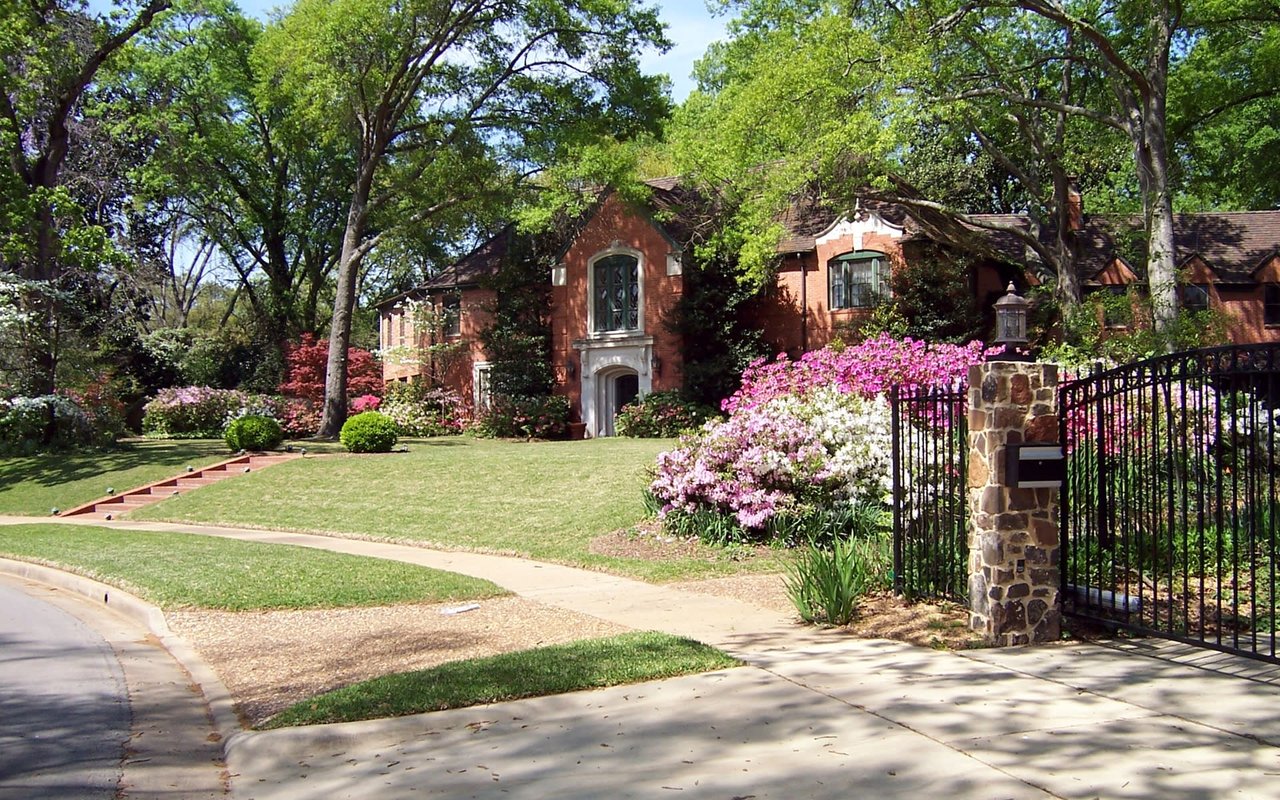
East Hill includes a locally designated preservation area known as Old East Hill. Many homes were built from the late 1800s through the 1920s and feature Craftsman, Mission, Queen Anne, and vernacular frame styles. The City’s Preservation District Design Guidelines explain what is typical here and how exterior updates should respect those details. You can review the neighborhood context and standards in the City’s Preservation District Design Guidelines.
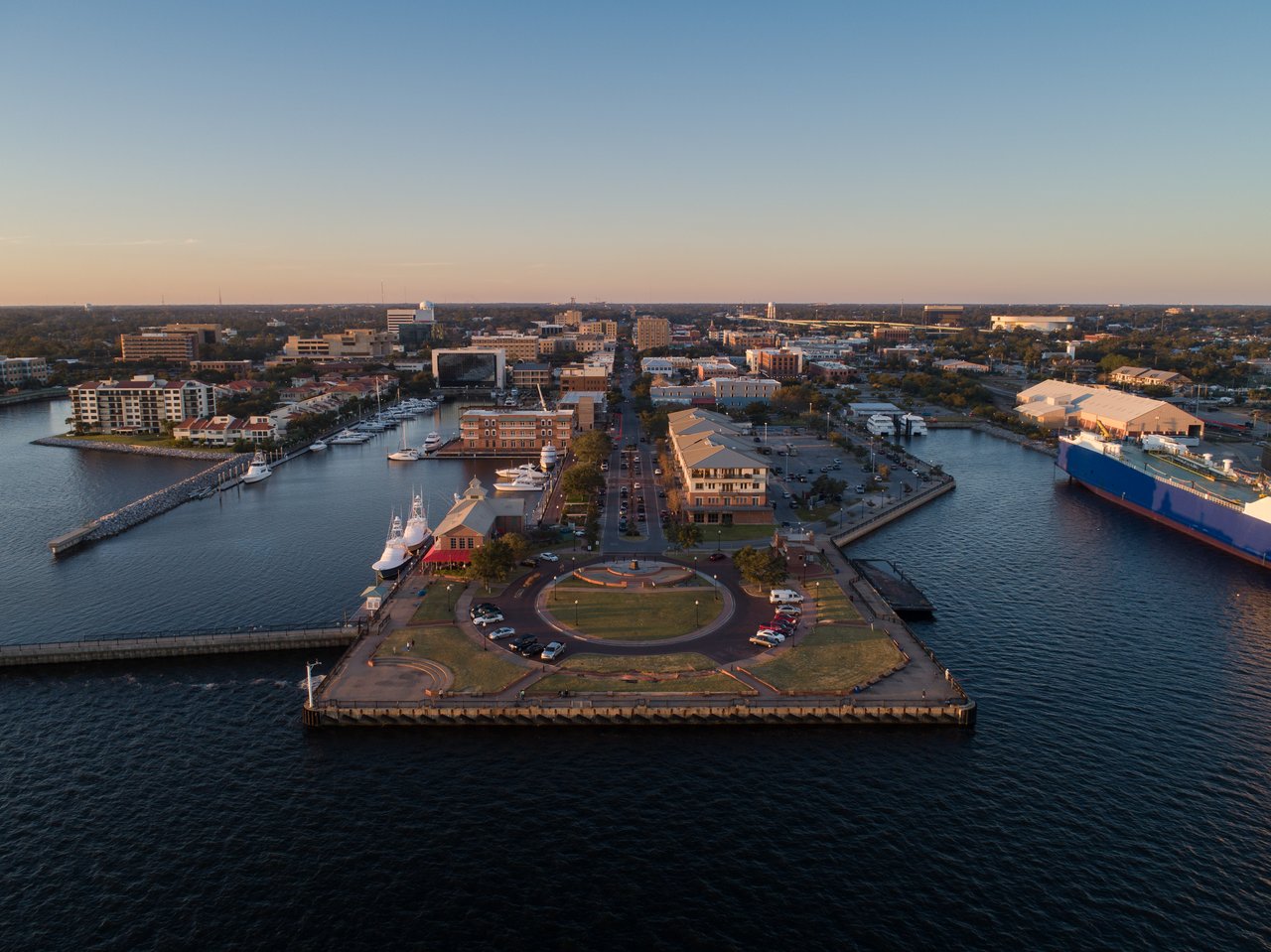
You sit near downtown Pensacola and Bayou Texar, so lot sizes can be modest, with mature street trees, alleys, and detached garages. Drainage varies by block. For a specific address, check elevation and flood status using FEMA’s Flood Map Service Center so you understand potential mitigation requirements before you plan an addition or major rework.
Home types and frequent issues
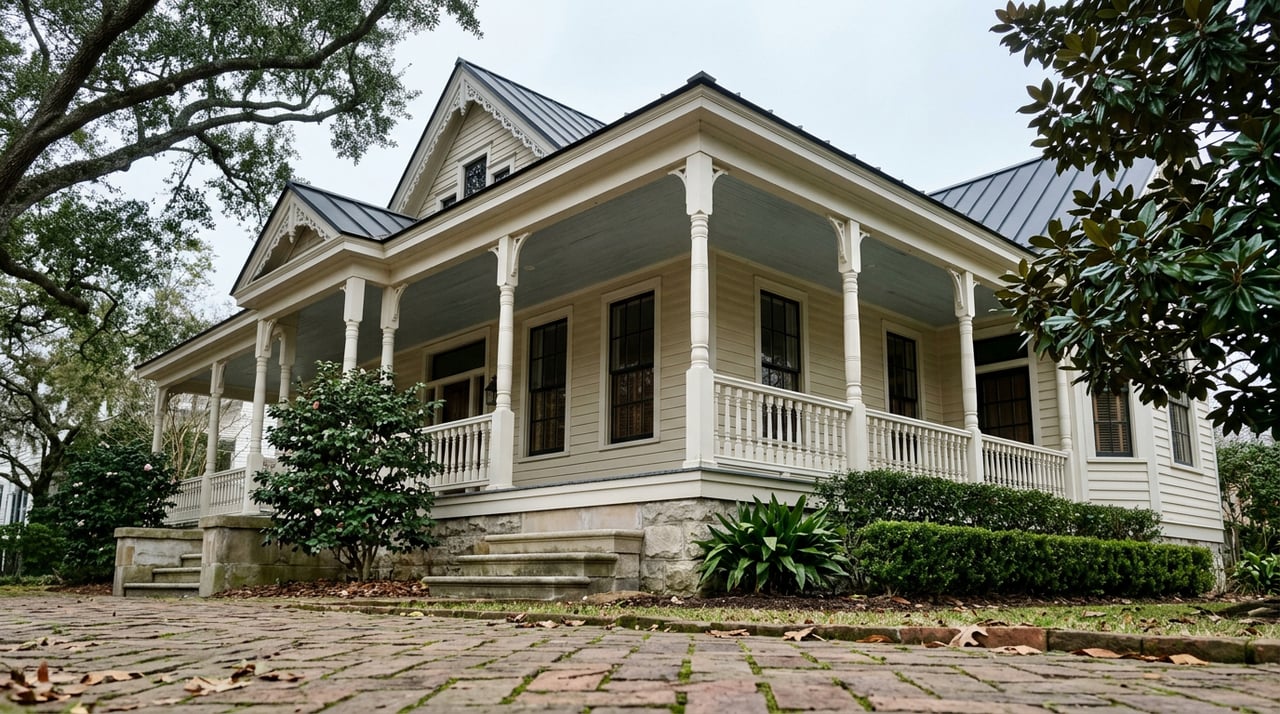
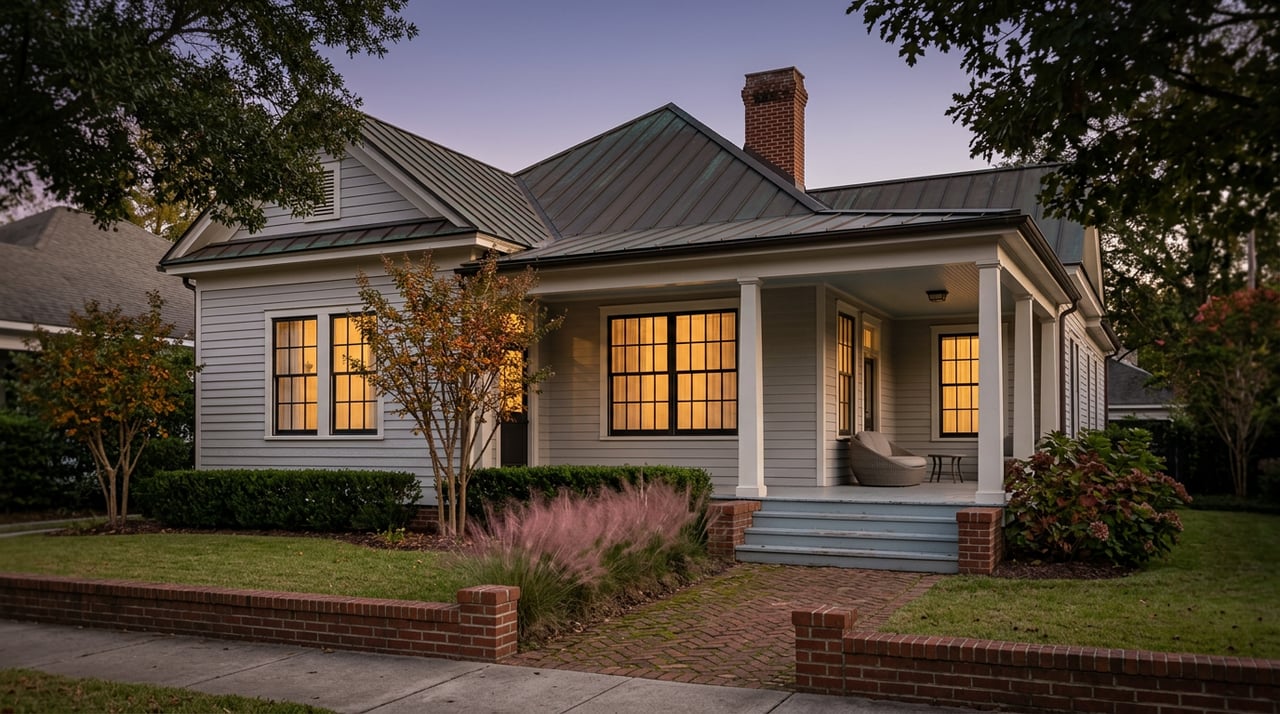
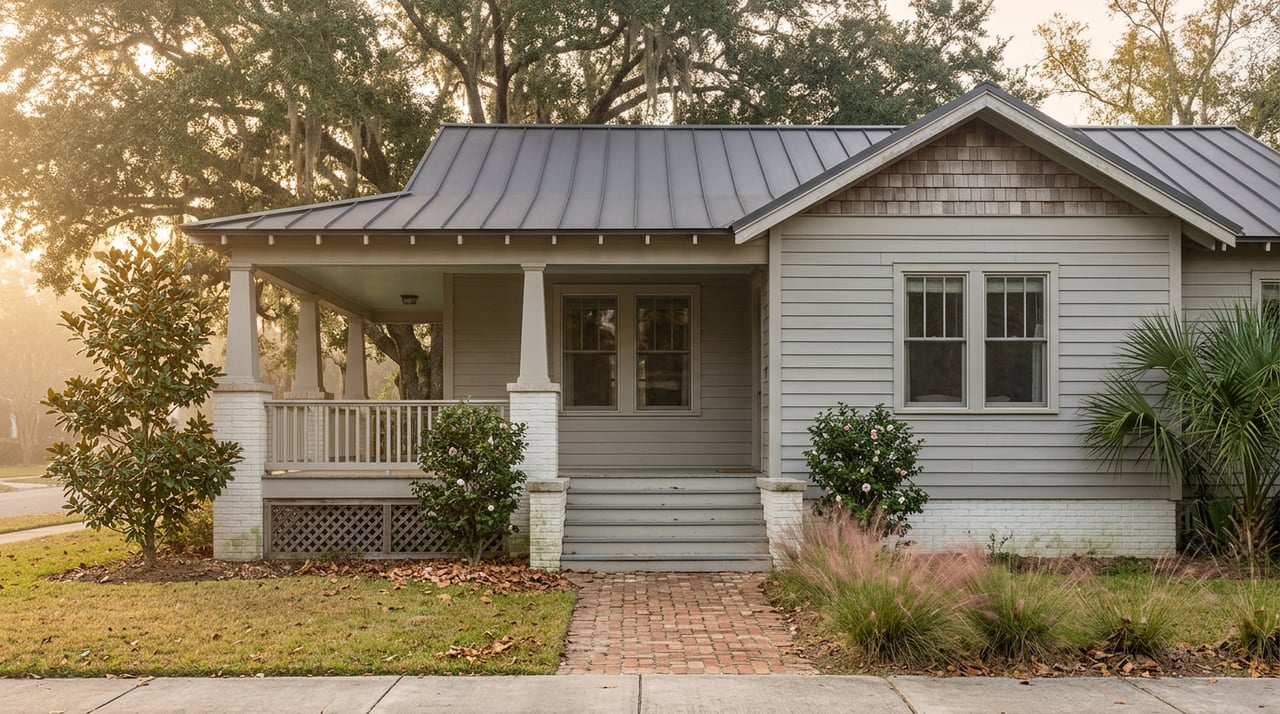
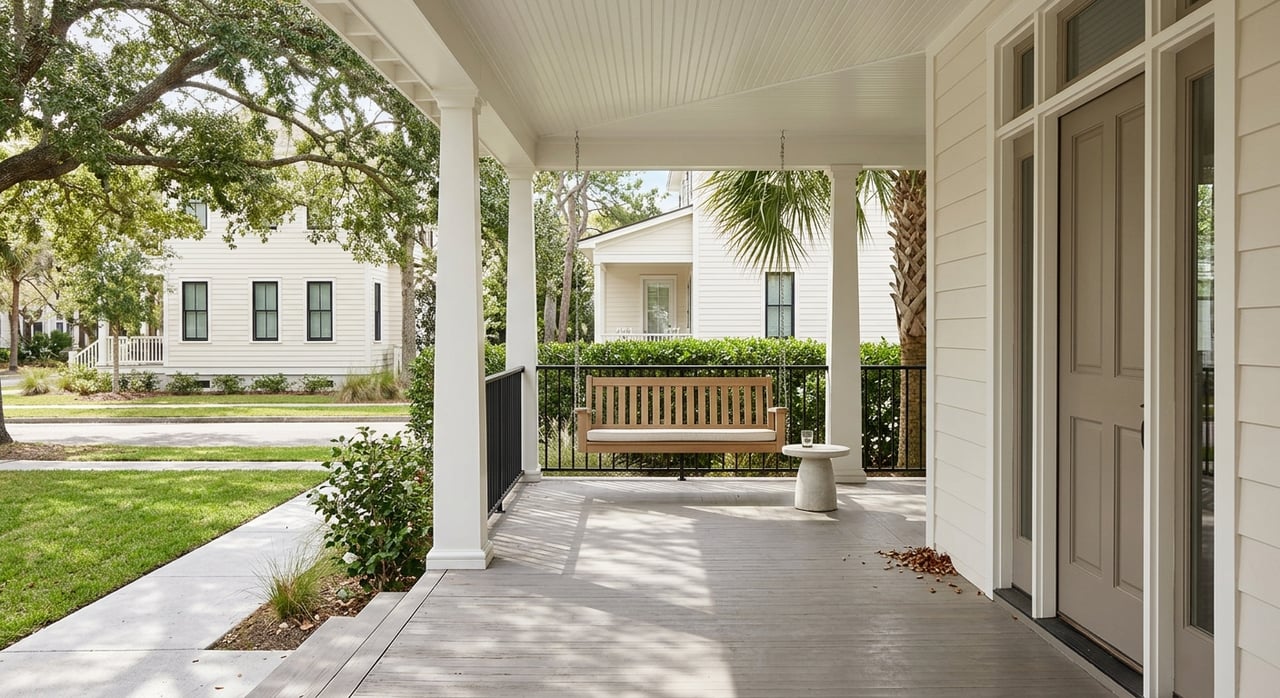
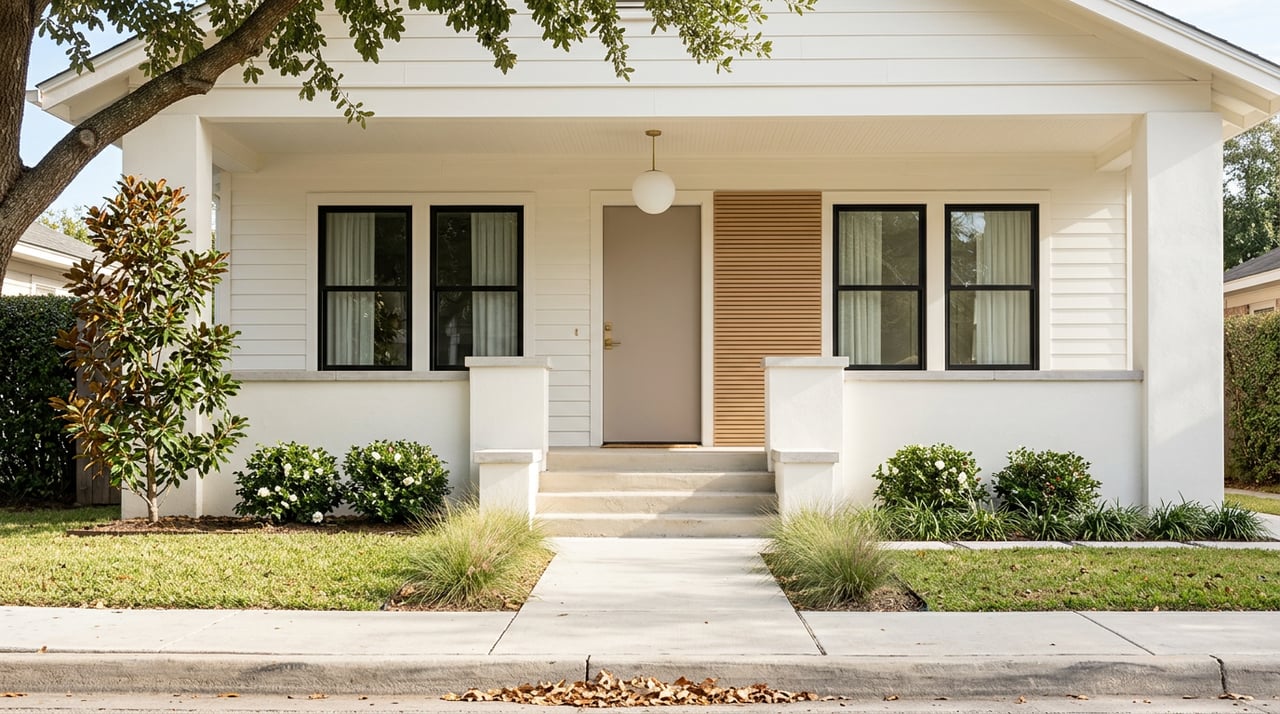
Expect early 20th‑century bungalows and wood‑framed houses with clapboard siding and brick accents, often with deep porches, original trim, and wood windows. Many older Pensacola houses use raised floors, crawlspaces, or pier‑and‑beam supports. When you tour, look for clear crawlspace access, evidence of moisture, and signs of settlement so you can scope inspection needs early.
Older systems can drive budgets. Plan for updates in these areas:
- Electrical: undersized service, vintage panels, or outdated wiring that can affect safety and insurance.
- Plumbing: galvanized or cast‑iron drains, or polybutylene in some eras; many homes need partial or full re‑piping.
- HVAC: aging or undersized units often need replacement for comfort and code or insurance requirements.
- Roofing and water intrusion: roof age, flashing, and prior patchwork are common cost drivers.
- Termites and wood rot: Florida’s climate means wood‑destroying organisms are a routine concern; a WDO inspection is standard. Learn more from UF/IFAS on termite prevention and control.
- Lead and asbestos: homes built before 1978 may contain lead‑based paint, and some older materials can contain asbestos. If work will disturb suspect materials, follow the EPA’s repair and renovation guidance.
- Post‑2000 drywall: if a home was heavily repaired after 2004, confirm drywall sources if there were past odor or corrosion reports tied to imported Chinese drywall.
Permits, preservation, and code triggers
City permits and review steps
Pensacola uses a two‑step path for most residential structural projects. Many additions and accessory structures start with Zoning & Site Review, followed by Building Plan Review and permits in the City’s online portal. The City outlines submittal steps and required documents in the Zoning & Site Review Application Instructions. You can also explore the City’s Development Services Department page to get oriented to the permitting portal and contacts.
Historic design guidelines in Old East Hill
If your property is a contributing structure within the Old East Hill preservation district, visible exterior changes often require historic review. The City applies the district’s guidelines and the Secretary of the Interior’s Standards, which influence materials, window and door treatments, porch details, and massing. Before you design, confirm whether your parcel is contributing and plan for design review. The process and criteria are detailed in the City’s Preservation District Design Guidelines.
Florida Building Code and flood or wind
Work that qualifies as a substantial improvement, or repairs after substantial damage, can trigger current Florida Building Code requirements. In Pensacola, that can mean flood elevation or mitigation and wind provisions for structural, foundation, or elevation changes. The building official determines when these rules apply to altered portions of a home. You can review the code context and substantial improvement language in this Florida Building Code reference.
Licensed contractors and Florida rules
Florida requires licensed contractors for most regulated work. There are limited statutory exemptions for small projects, but homeowners should still verify an active license and insurance and confirm local permit needs. The state’s DBPR portal explains how licensing and enforcement work in the Unlicensed Activity FAQ. For contract terms, ask for clear scope, milestones, payment schedule, permit responsibility, and lien‑waiver language.
Inspection game plan and costs
A smart inspection sequence helps you avoid surprises and price your offer correctly. Book these quickly during due diligence:
- General home inspection that covers structure, roof, electrical, plumbing, HVAC, and the accessible crawlspace.
- WDO or termite inspection by a licensed pest‑control operator. It is common in Florida and critical in older wood homes.
- Sewer‑scope of the main lateral. Older drains and tree roots are frequent issues and can be expensive to fix.
- Insurance‑driven reports like Wind Mitigation, 4‑Point, and a roof certification as needed. These can affect insurability and premiums.
- Specialists as flagged by the reports: structural engineer, licensed electrician, plumbing contractor, or environmental testing for lead, asbestos, or mold.
Local inspection guides recommend bundling the general inspection with WDO and scheduling the sewer‑scope right away in older neighborhoods. See a practical overview in this inspection checklist for first‑time buyers.
Plan for these common inspection fees so you can make fast, informed decisions:
- General home inspection: about $300 to $700, depending on size and add‑ons.
- WDO or termite inspection: about $75 to $200.
- Sewer‑scope: about $150 to $400.
- Wind mitigation, 4‑point, or roof certification: about $75 to $250 each, often bundled.
- Environmental tests: variable, often a few hundred dollars per test before any remediation.
For insurance context, many Florida carriers rely on Wind Mitigation and 4‑Point reports for older homes. Learn how these reports are used in underwriting from this wind mitigation and 4‑point FAQ.
Timelines and budget planning
Set your calendar and budget with realistic cushions, especially for older framing and systems. Typical project durations look like this:
- Cosmetic refresh such as paint, flooring, and fixtures: 2 to 6 weeks.
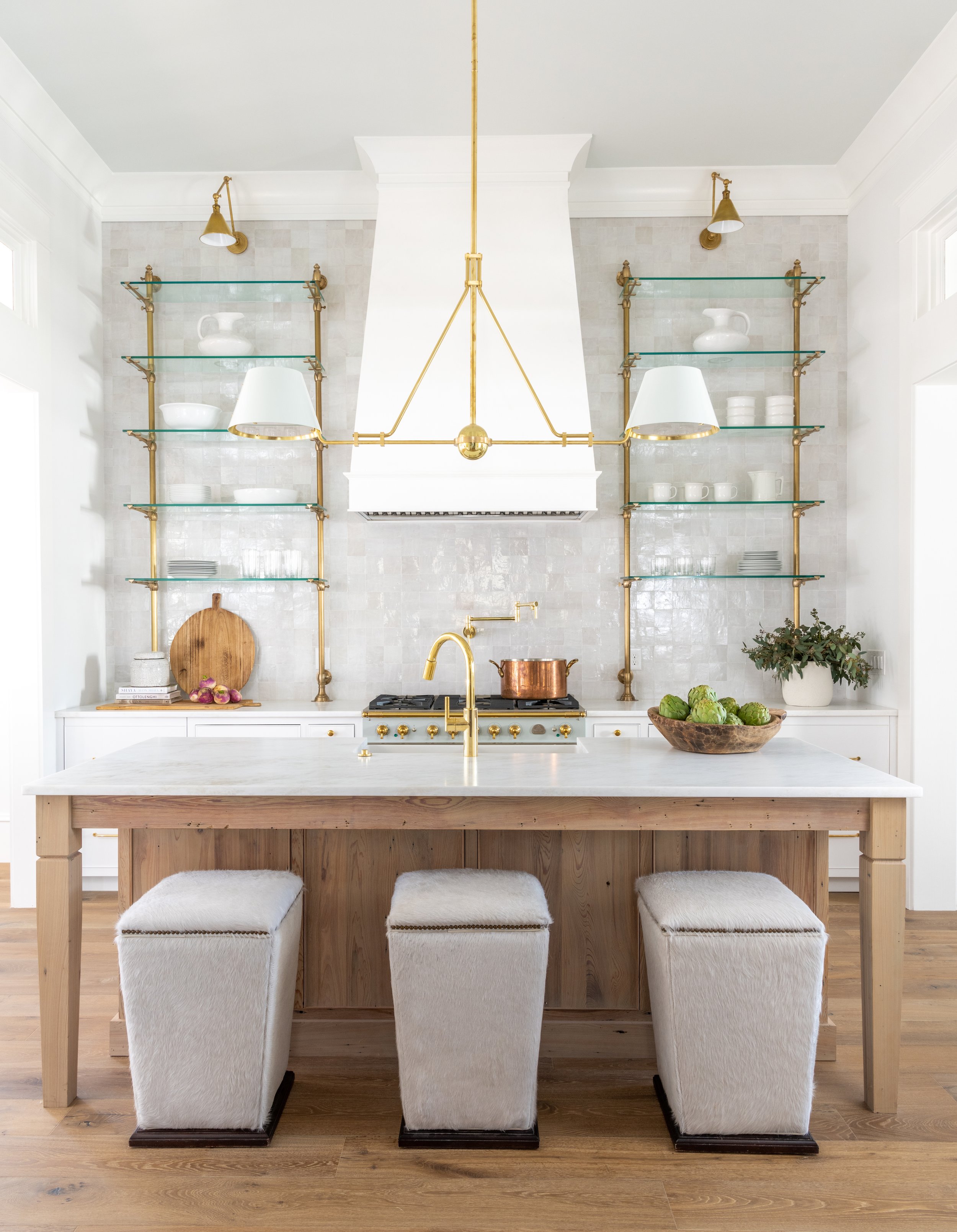
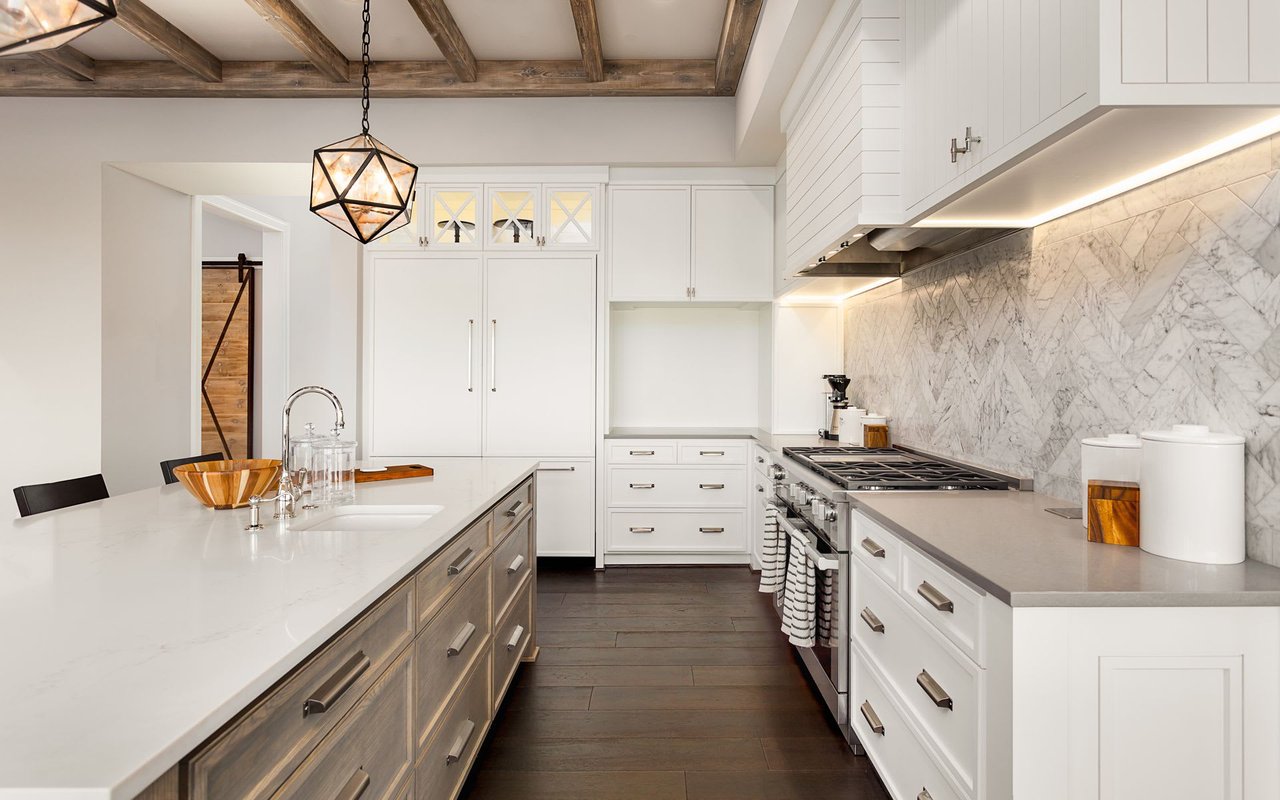
- One kitchen or bath moderate remodel: about 6 to 12 weeks including design, permits, and work.
- Multi‑room rework with electrical, plumbing, and HVAC changes: 3 to 6 months.
- Whole‑house systems plus structural or major additions: 6 to 12 months or more, depending on permitting, design review, and structural solutions.
Build a contingency of at least 10 to 20 percent for older‑home surprises like rot, WDO damage, wiring or plumbing replacement, or lead and asbestos abatement. Plan insurance quotes early and confirm the property is insurable before you commit to a final price.
Working with pros and approvals
For exterior changes in Old East Hill, reach out to the City’s Historic Preservation staff early. Clear photos, product details, and material samples that align with the district’s guidelines help keep review cycles short and avoid rework. Expect to submit documentation before permits are issued.
Hire a licensed structural engineer for foundation issues, pier or post work, or when your inspector notes movement. Bring in an architect if you are changing massing, porches, or need help meeting preservation design criteria. Many structural alterations will require engineered plans under the Florida Building Code.
For contractors, verify licensing and insurance, ask for references, and use a written contract with defined milestones and a fair payment schedule tied to progress. Confirm who pulls permits and who provides lien waivers.
East Hill renovation checklist
Use this quick list as you evaluate a property and plan work:
- Confirm location: Is the parcel inside City of Pensacola limits and the Old East Hill preservation overlay? Review the City’s Preservation District Design Guidelines.
- Check permits and history: Request seller disclosures and ask the City for as‑built or permit records. Start with the Zoning & Site Review Instructions to understand submittal needs.
- Run inspections in order: general home inspection, WDO termite, sewer‑scope, and any Wind Mitigation, 4‑Point, or roof certifications for insurance.
- Verify contractor licensing: Use the DBPR portal’s Unlicensed Activity FAQ to confirm license status and learn how enforcement works.
- Budget contingency and insurance: Hold at least 10 to 20 percent for unknowns. Start insurance quotes early to confirm coverage and potential premium impacts.
- Check flood status: Use FEMA’s Flood Map Service Center and ask your contractor or engineer how flood or wind rules may affect your design.
Ready to plan your East Hill purchase?
With the right inspections, a clear permit path, and a thoughtful team, you can preserve East Hill’s character while shaping a home that fits your lifestyle. If you want a trusted local guide from offer to move‑in, the Mark Lee Team is ready to help you plan, price, and sequence your renovation with confidence.
FAQs
What makes renovating in Old East Hill different?
- Old East Hill is a locally designated preservation district, so many exterior changes require review and must follow the City’s Preservation District Design Guidelines.
How do I check an East Hill home’s flood risk before I buy?
- Enter the property address in FEMA’s Flood Map Service Center to see flood zones and elevation data that can affect design and insurance.
Which inspections should I schedule first for an older East Hill home?
- Book a general home inspection and a WDO termite inspection together, then add a sewer‑scope and insurance reports like Wind Mitigation or 4‑Point as recommended.
Do I need a permit for an East Hill kitchen remodel?
- Most system changes and structural work require permits; start with the City’s Zoning & Site Review Instructions to understand submittals, then proceed to Building Plan Review.
When should I hire an engineer or architect for an East Hill project?
- Hire a structural engineer for foundation, posts, or movement issues and an architect if you are changing exterior massing or porches, especially in the preservation district.