Freeze Weather Prep: How to Protect Your Pensacola Home During Cold Nights
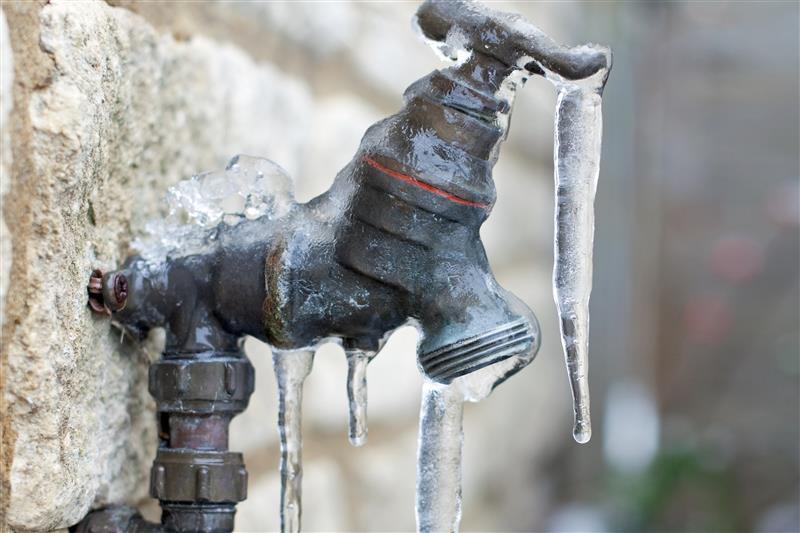
In the Pensacola area, we typically only experience a few nights each winter where temperatures drop below freezing. Because our homes aren’t built for prolonged cold, even a short freeze can pose a serious risk—especially to your plumbing. It only takes a few hours of below-freezing temperatures for water inside pipes to freeze, expand, and potentially burst, leading to costly and disruptive repairs.
The good news is that a little preparation can go a long way. Below are practical steps homeowners can take to protect their property during cold weather.
Protect Exterior Plumbing
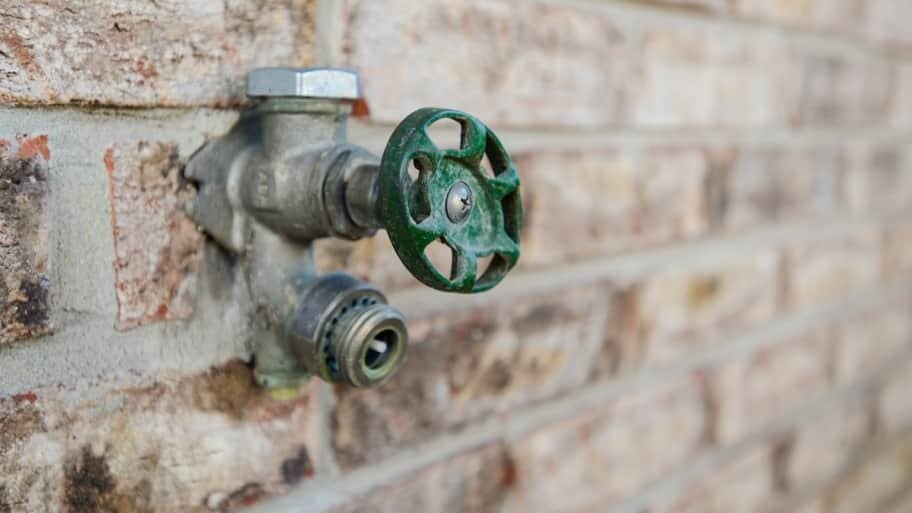
Exterior plumbing is often the most vulnerable during a freeze.
• Allow exterior water spigots to drip during hard freezes so pressure does not build inside the pipes. The steady movement of water helps prevent freezing.
• As an alternative to dripping, install insulated hose bib covers on exterior spigots. These are inexpensive, easy to install, and help conserve water.
• Disconnect garden hoses from outdoor spigots and store them inside. Leaving hoses attached can trap water and increase the risk of frozen pipes.
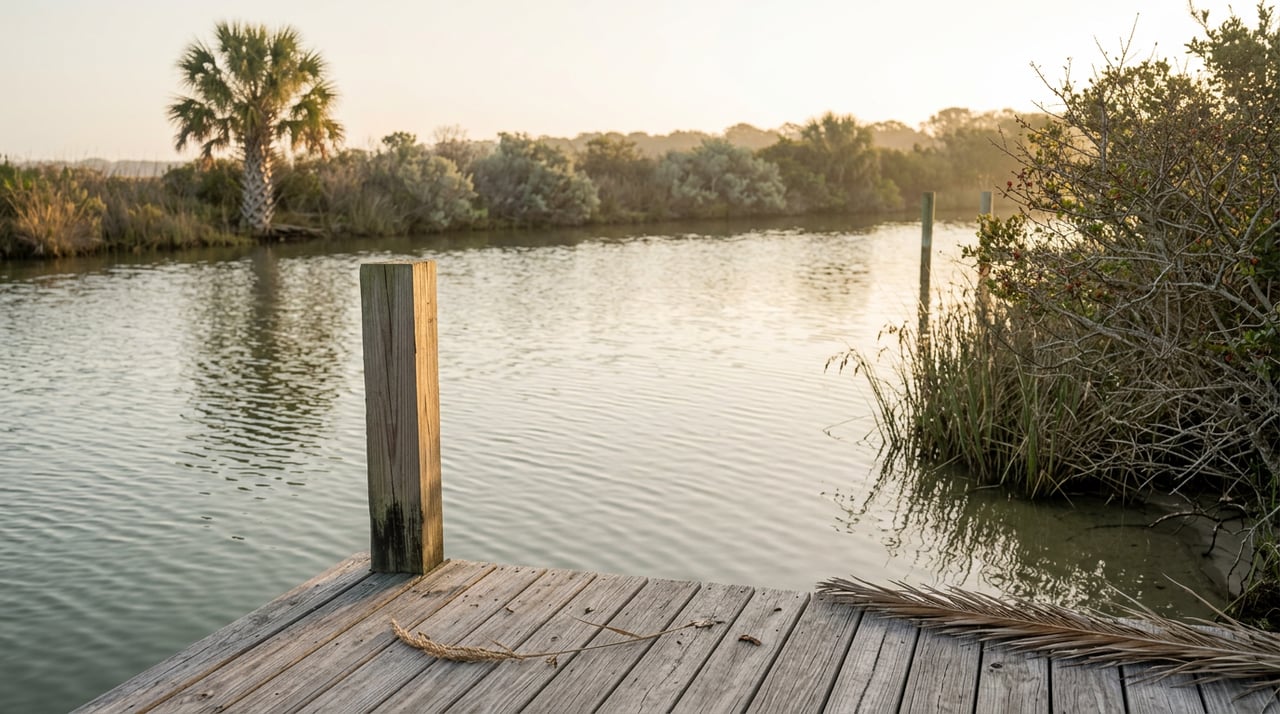
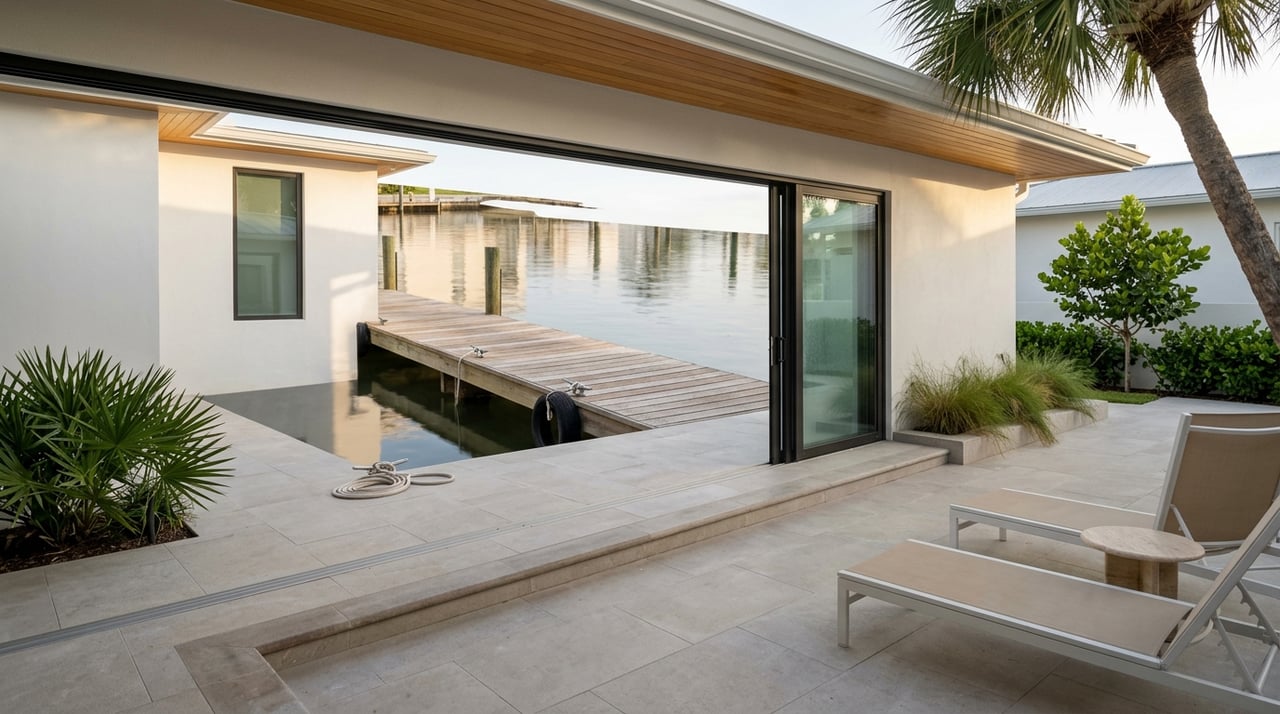
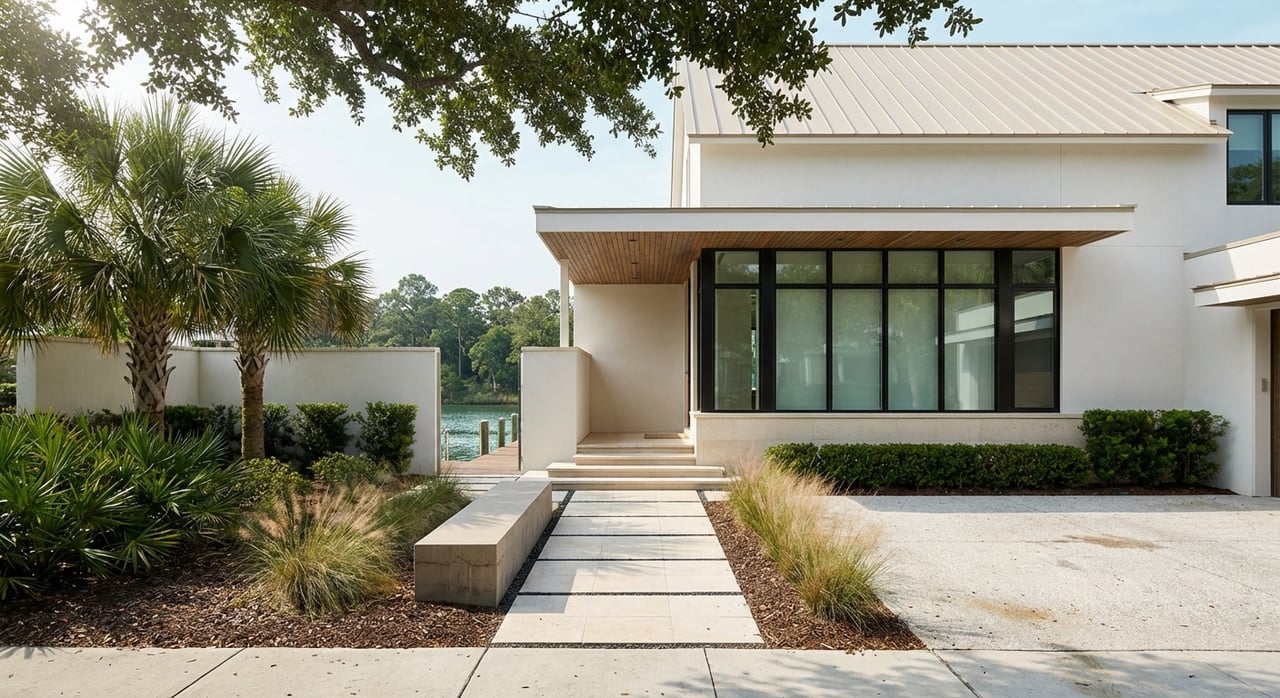
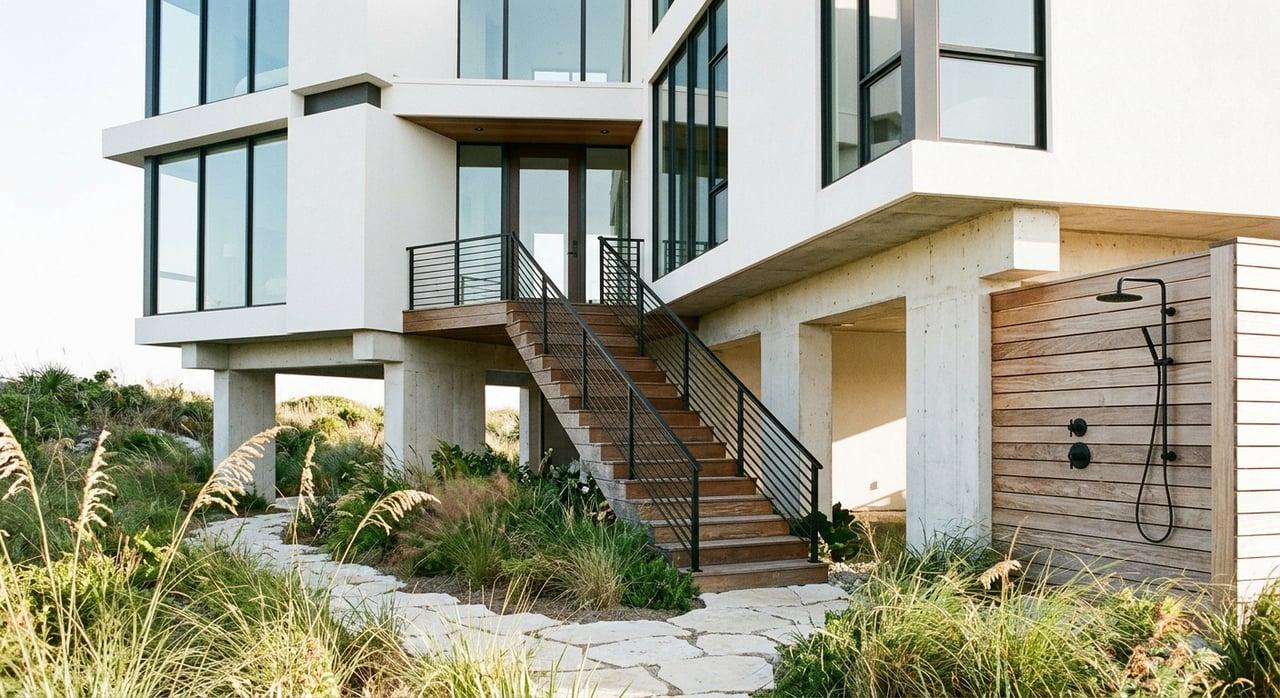
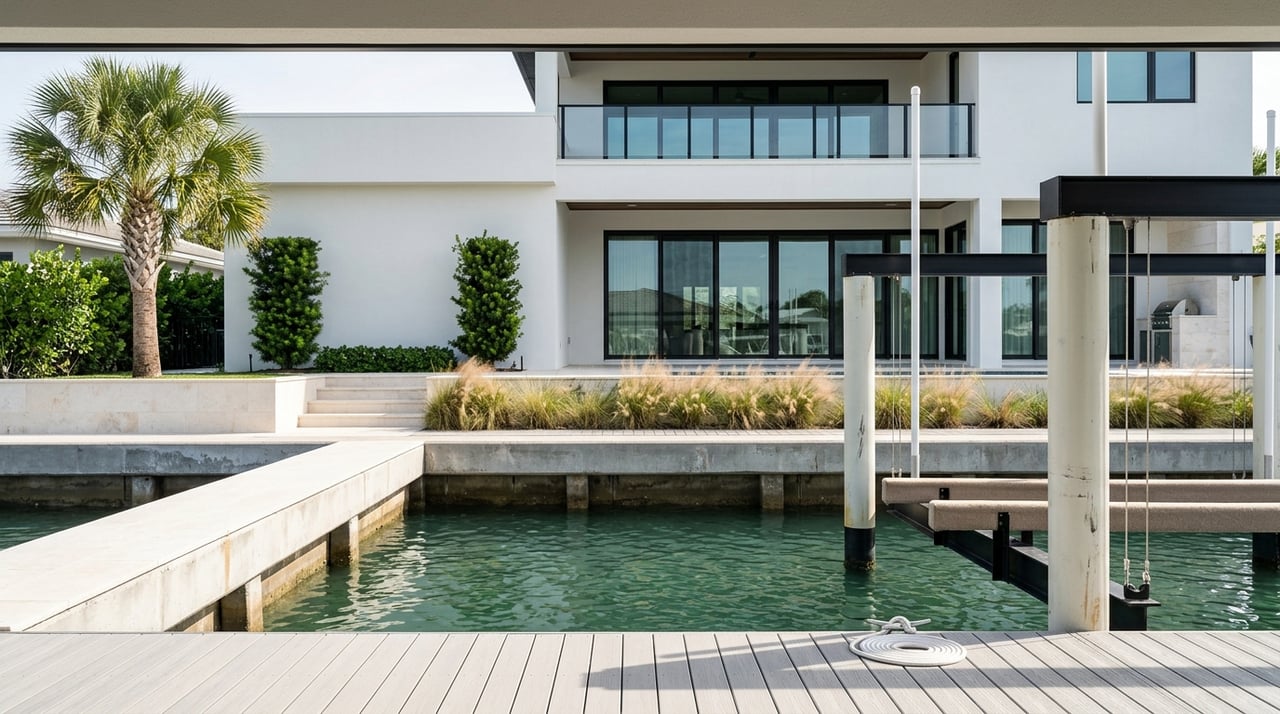
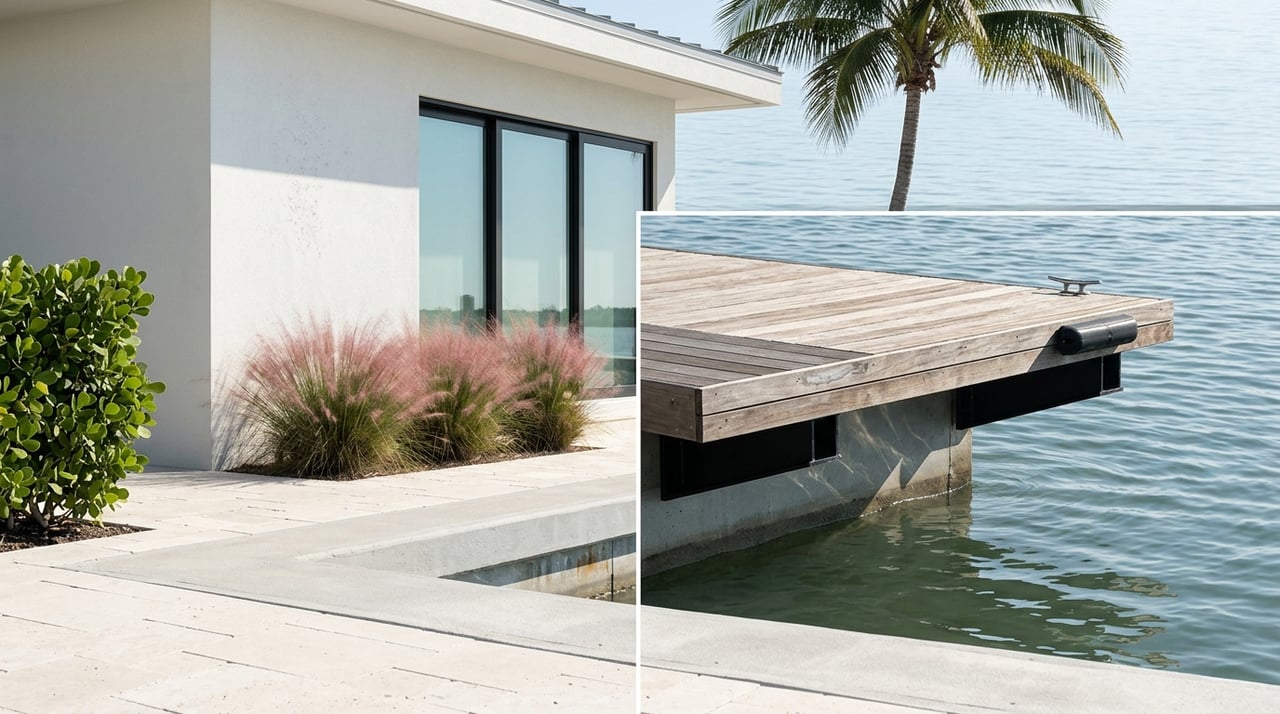
• Turn off the water supply and open outdoor showers and dock spigots, especially on waterfront properties.
Safeguard Interior Pipes
Pipes located along exterior walls or in unconditioned spaces are more exposed to cold air.
• Open cabinet doors under sinks along exterior walls to allow warm air to circulate around plumbing.
• Insulate exposed pipes in garages, attics, crawl spaces, and utility rooms using foam pipe sleeves or heat tape.
• Seal air leaks around windows, doors, and pipe penetrations to keep cold air from reaching plumbing.
Sprinkler Systems, Pools, and Irrigation
Outdoor systems often contain water that can freeze and crack components if left unprotected.
• Winterize sprinkler systems by shutting off the water supply, briefly running a sprinkler head to relieve pressure, and draining lawn pumps.
• Run pool pumps and filters continuously during freezing temperatures to keep water moving through the system.
Keep the Heat On
• Maintain interior heat, even if the home is vacant. Set the thermostat high enough that the heat cycles on periodically to protect interior pipes.
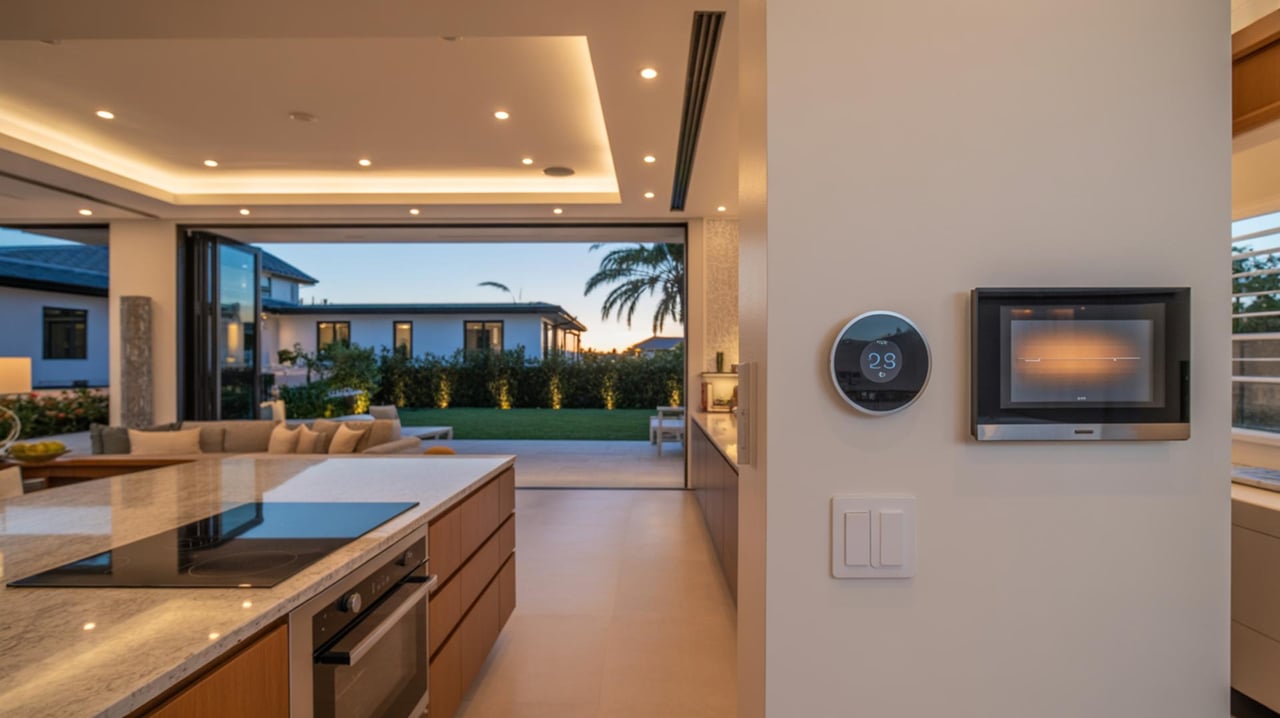
• Smart Wi-Fi thermostats are a great investment, particularly for second homes, as they allow you to monitor and adjust temperatures remotely.
Be Prepared
• Know where your main water shutoff valve is located. If a pipe bursts, shutting off the water quickly can greatly reduce damage.
• If you plan to travel during a cold snap, ask a trusted neighbor or property manager to check on the home.
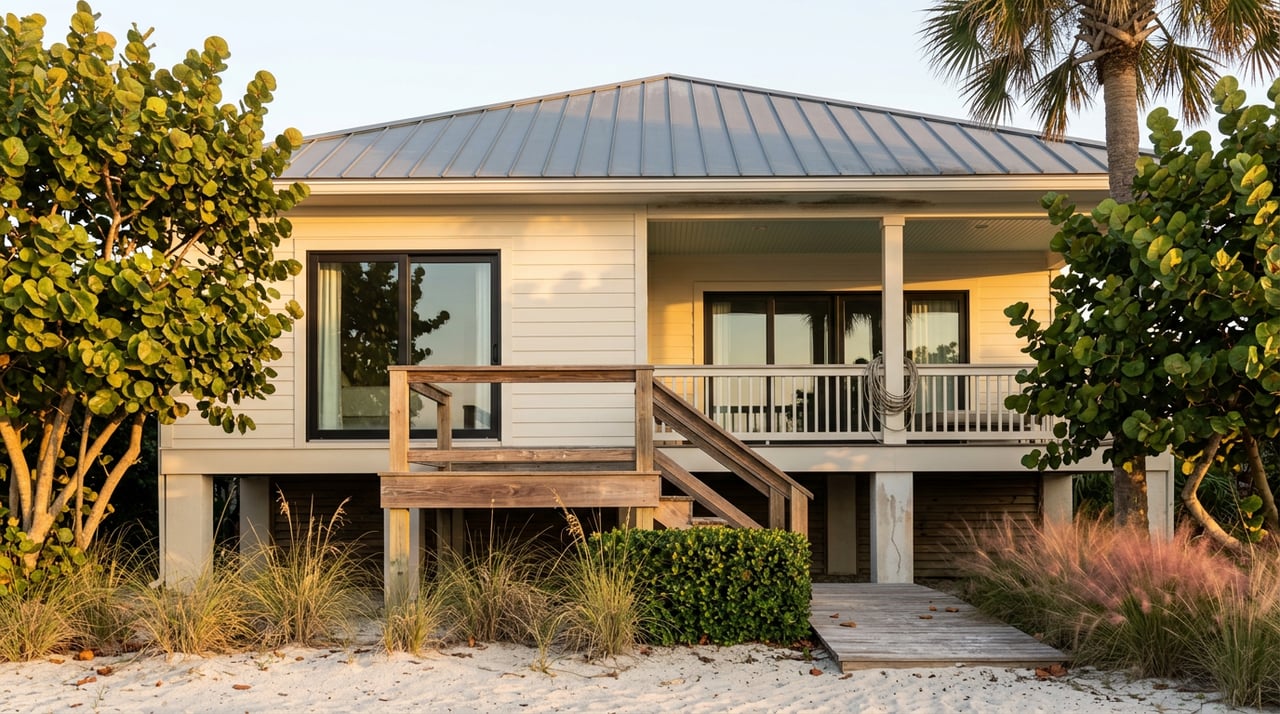
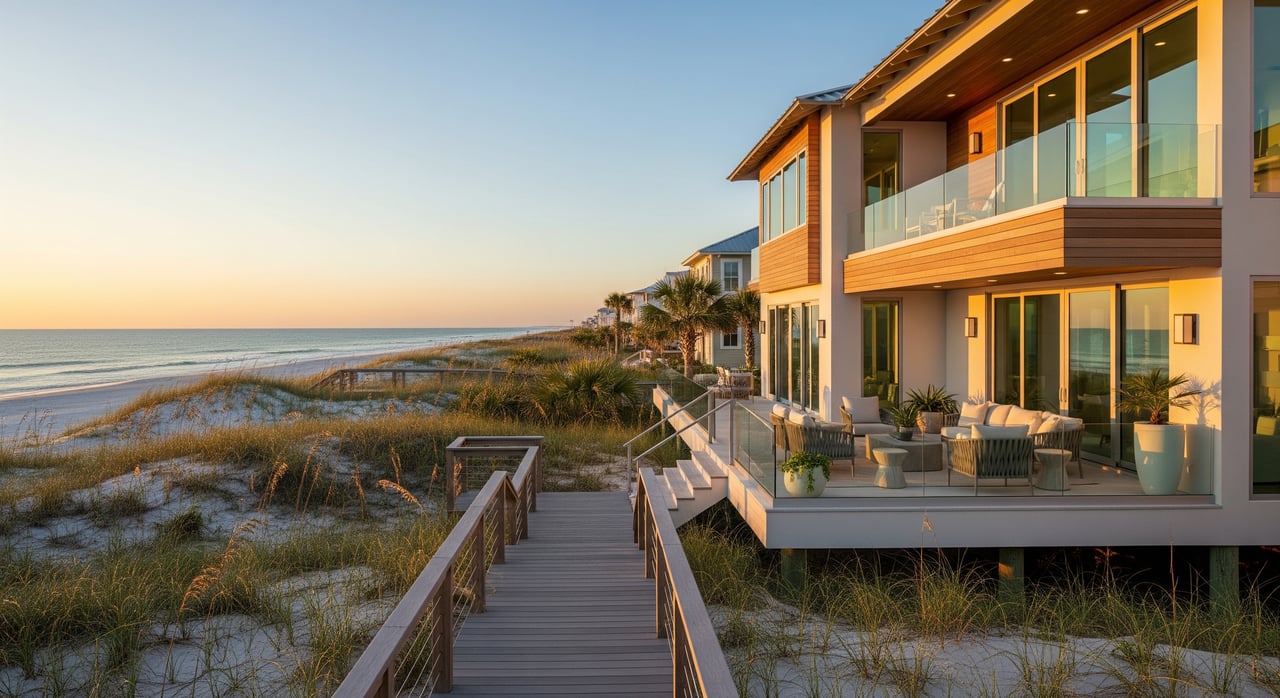
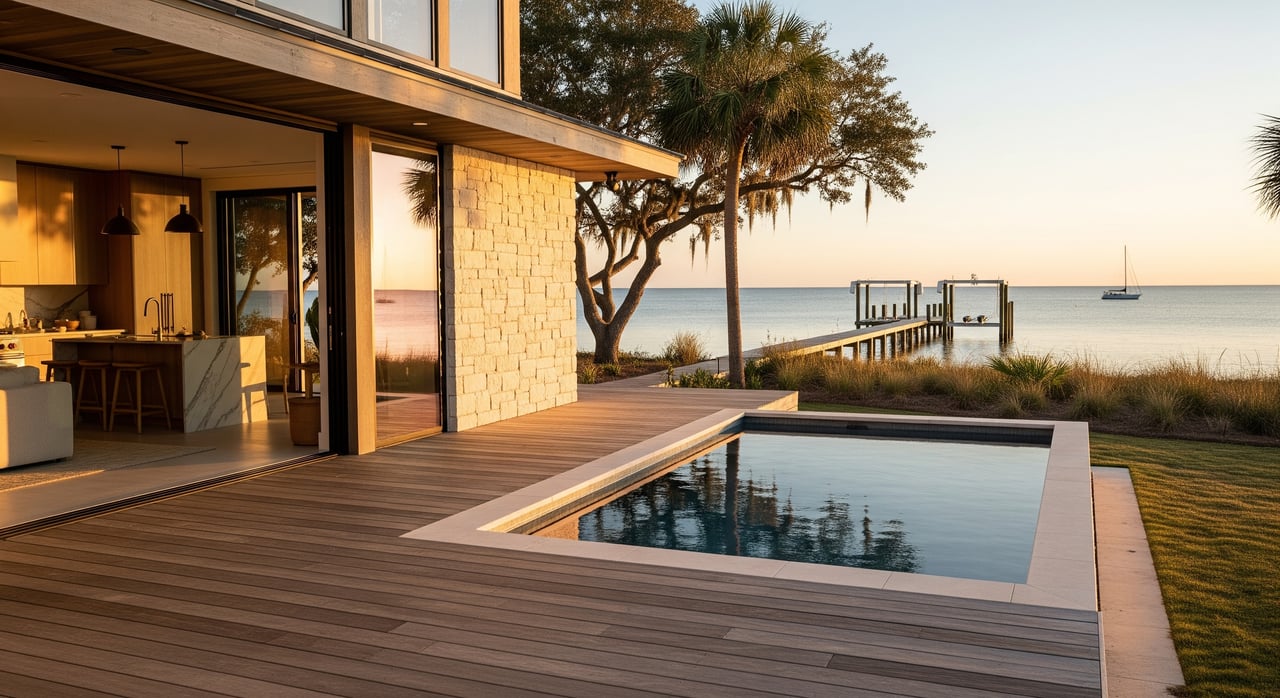
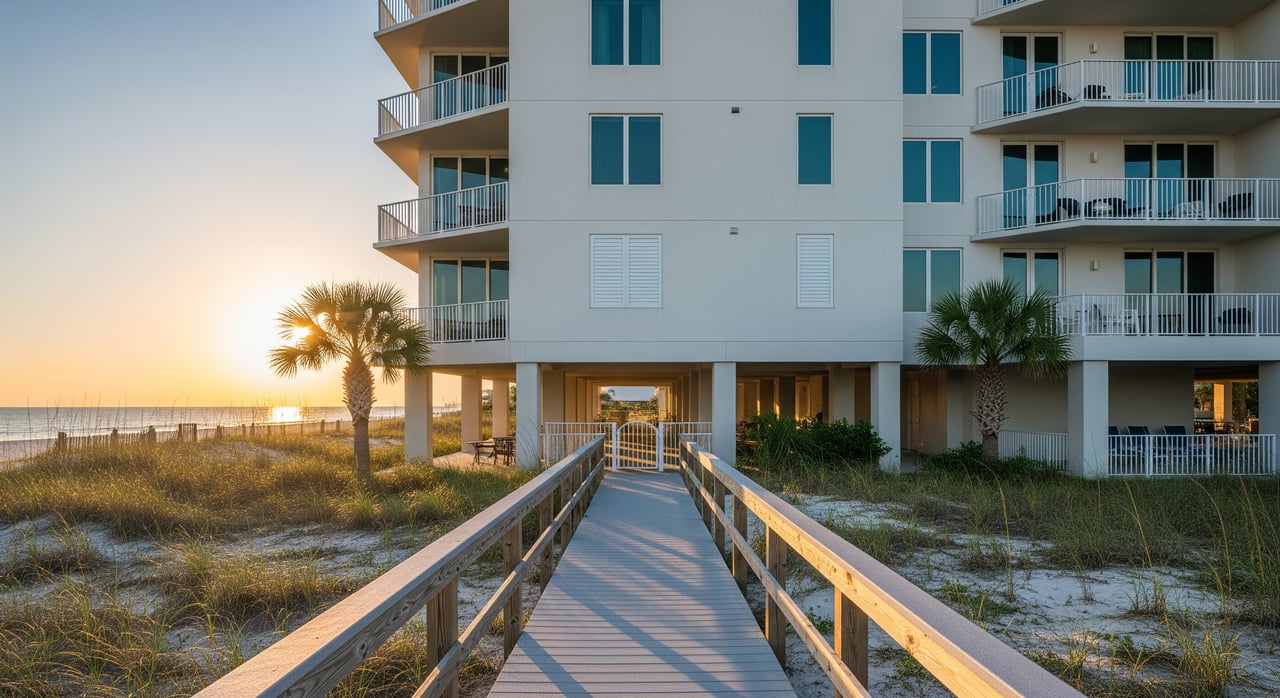
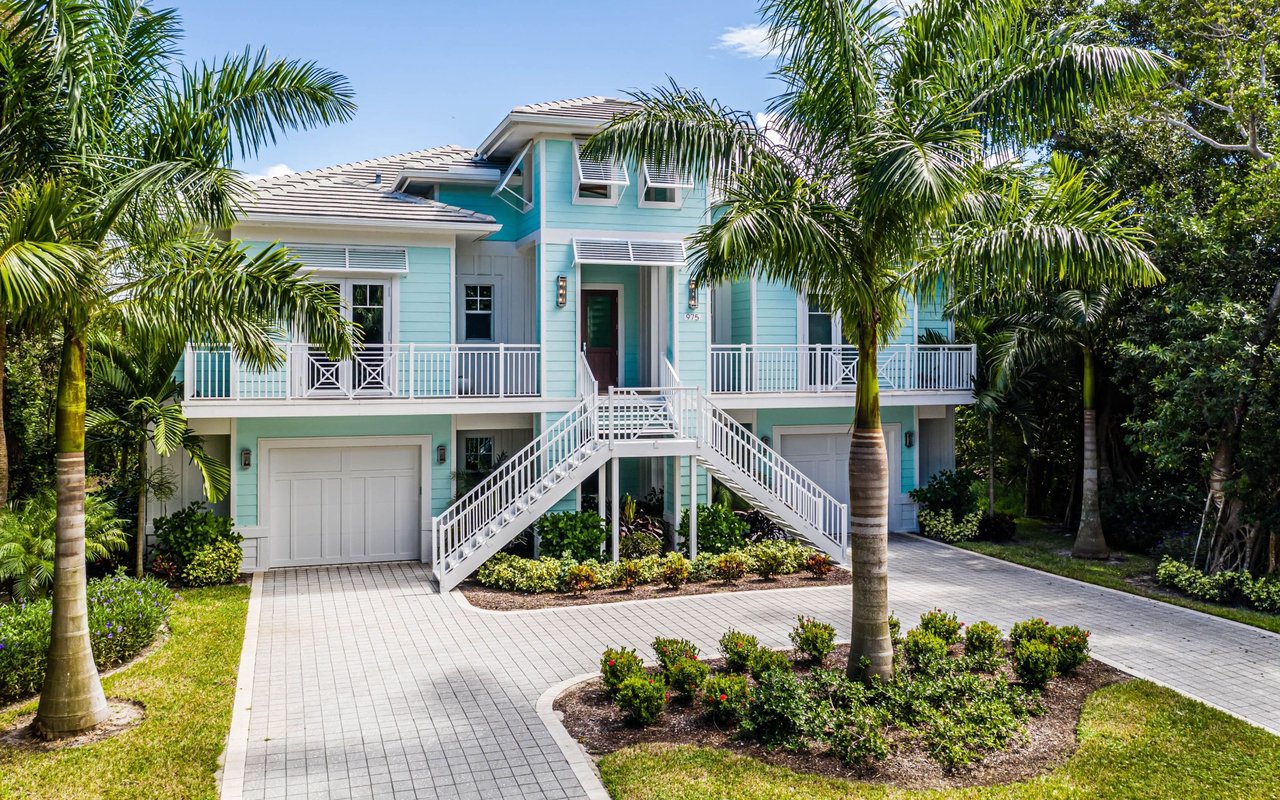
• Waterfront and elevated homes require extra attention, as exposed pipes beneath the home are more susceptible to freezing.
Cold weather may be brief along the Gulf Coast, but the damage it can cause is real. Taking these proactive steps can help protect your home and avoid unnecessary repairs.
If you have questions about preparing your home—or need referrals to trusted plumbers, pool professionals, or property managers—our team is always happy to help.